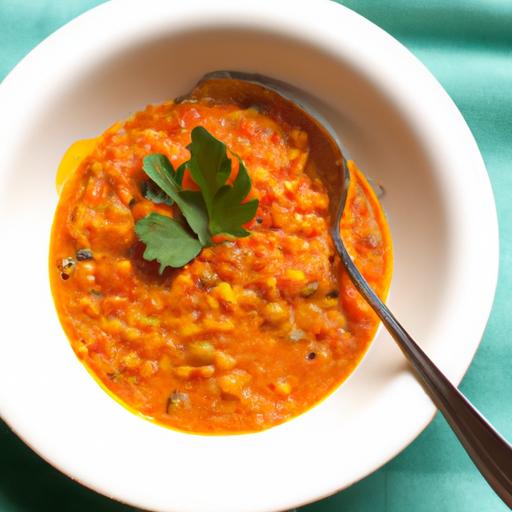


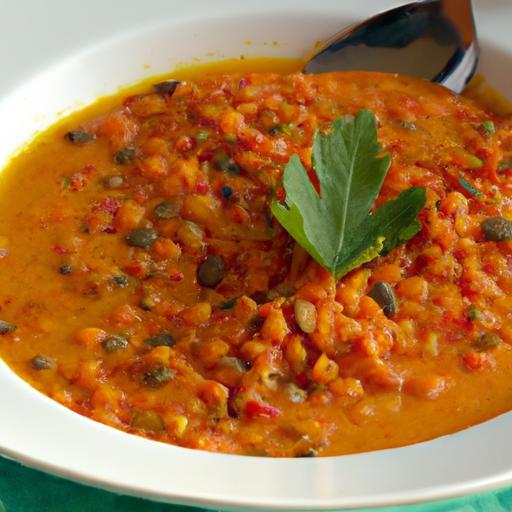
There’s something profoundly satisfying about the warm,spiced embrace of a bowl of red lentil dahl-a dish that has traveled across continents and generations to claim its place at the heart of comfort food traditions. More than just a humble lentil stew, red lentil dahl invites us on a flavorful journey into the rich tapestry of South Asian cuisine, where simple ingredients transform into layers of aromatic complexity. In this article, we’ll explore the history, culinary techniques, and cultural importance of red lentil dahl, uncovering why this vibrant dish continues to captivate taste buds and nourish souls around the world.
Red Lentil Dahl: The Origins and cultural Significance
Red lentil dahl is more than a simple comfort food; it embodies centuries of tradition and cultural heritage that stretch across the Indian subcontinent and beyond. This humble dish, made primarily from split red lentils, represents a culinary form where nourishment and flavor meet in perfect harmony. Rooted deeply in Ayurvedic principles and South Asian hospitality,red lentil dahl was historically a staple for families seeking affordable,protein-rich meals that could be prepared quickly without sacrificing taste.
Today, red lentil dahl continues to be revered not just for its health benefits but as a symbol of connection and sharing. From the vibrant street food stalls of Mumbai to home kitchens in London and New York, it serves as a comforting plate that transcends borders, inviting all who try it into a warm embrace of spices and tradition.
Mastering the Art of Spices for a Perfectly Balanced Dahl
The magic behind any successful red lentil dahl lies in crafting the perfect blend of spices. The earthy warmth of cumin seeds, the subtle bitterness of mustard seeds, and the gentle heat of freshly ground turmeric create a delicate base.Adding freshly minced ginger and garlic elevates the dahl’s aroma and depth while a pinch of asafoetida (hing) lends an umami-like finish that enhances digestion and flavor complexity. The key is balancing these spices so that they uplift the natural sweetness and creamy texture of the lentils without overpowering them. Toasting whole spices before grinding or tempering them in hot oil releases essential oils, unlocking layers of fragrance that make each spoonful unforgettable.
prep and Cook Time
- Planning: 10 minutes
- Cooking: 30 minutes
- Total Time: 40 minutes
Yield
serves 4 generously
Difficulty Level
Easy
Ingredients
- 1 cup red lentils (masoor dal), rinsed thoroughly
- 3 cups water
- 1 medium onion, finely chopped
- 2 cloves garlic, minced
- 1-inch piece ginger, grated
- 1 large tomato, chopped
- 1 tsp cumin seeds
- 1 tsp mustard seeds
- 1/2 tsp turmeric powder
- 1/2 tsp ground coriander
- 1/4 tsp red chili powder (adjust to taste)
- 1/4 tsp asafoetida (hing)
- 2 tbsp vegetable oil or ghee
- Salt to taste
- Fresh cilantro, chopped (for garnish)
- Juice of half a lemon
Step-by-Step guide to Cooking Creamy and Tasty Red Lentil Dahl
- Prepare lentils: Rinse the red lentils under cold water until the water runs clear. Set aside to drain.
- Sauté spices: Heat the oil or ghee in a heavy-bottomed pan over medium heat. Add the cumin seeds and mustard seeds.When they start to pop, add the asafoetida, minced garlic, and grated ginger. Sauté for 1-2 minutes until fragrant but not browned.
- Add onion: Toss in the chopped onion and sauté until golden brown, about 5 minutes, stirring frequently to prevent sticking.
- Incorporate tomatoes and ground spices: Add the chopped tomato, turmeric, coriander, and red chili powder. Cook until the tomatoes soften and oil begins to separate from the mixture, about 4-5 minutes.
- Simmer lentils: Add the rinsed lentils and 3 cups of water. Stir well to combine and bring to a boil. Reduce heat to low and simmer uncovered for 20-25 minutes, stirring occasionally until lentils are soft and the dahl has thickened to a creamy consistency.
- Season and finish: Add salt to taste and stir in the fresh lemon juice. Adjust water for preferred thickness; add more if you want it soupier. Simmer for 2 more minutes.
- Garnish & serve: Remove from heat, garnish with chopped fresh cilantro, and serve warm with basmati rice or naan bread.
tips for success
- Consistency matters: If the dahl thickens too much while resting, add a splash of boiling water to loosen it-food continues to thicken off the stove.
- Spice variations: For a smoky touch, add a dried red chili to the tempering oil, and consider a pinch of garam masala at the end for warmth.
- Make it vegan: Use vegetable oil rather of ghee to keep this dish 100% plant-based and allergy-friendly.
- Make-ahead friendly: Dahl flavors deepen overnight. Store refrigerated and reheat gently with water to adjust thickness.
- Texture tip: For an ultra-smooth dahl, mash slightly with a spoon or pulse briefly with an immersion blender.
Pairing Suggestions and Serving Tips to Elevate Your Comfort Meal
Red lentil dahl is a versatile companion to many dishes, but pairing it intentionally creates an unforgettable meal. Serve with fragrant basmati rice or warm, lightly charred naan to sop up every last drop of the creamy sauce. Fresh cucumber raita or a tangy mango chutney provides a cool counterpoint to the spiced lentils, while crispy papadums add delightful textural contrast.
For an inspired vegetarian spread, complement the dahl with sautéed greens like spinach or kale, lightly seasoned with garlic and lemon. Garnishing with freshly chopped cilantro and a squeeze of lemon brightens every bite and heightens the layers of flavor. For added indulgence, a drizzle of coconut cream enriches the dahl’s silkiness, creating a luxuriously comforting bowl.
| Nutrient | Per Serving |
|---|---|
| Calories | 220 kcal |
| Protein | 14 g |
| Carbohydrates | 30 g |
| fat | 5 g |

Explore more about lentils and legume nutrition on Healthline’s Legume Guide or try a Spiced Chickpea Curry to expand your plant-based repertoire.
Q&A
Q&A: Red Lentil Dahl – A Flavorful Journey into Comfort Food
Q1: What makes red lentil dahl such a beloved comfort food around the world?
A: Red lentil dahl is the epitome of warmth and nourishment. Its creamy texture, vibrant colour, and aromatic spices come together to create a dish that feels like a hug in a bowl. It’s simple to prepare, packed with protein and fiber, and deeply rooted in traditions that span across South Asia and beyond-making it a true global comfort classic.
Q2: How do red lentils differ from other types of lentils in dahl recipes?
A: Red lentils cook faster and tend to break down into a smooth,velvety consistency,perfect for creating that luscious dahl base. Unlike their green or brown cousins, which stay firmer, red lentils absorb flavors beautifully and give the dish a naturally sweet, earthy tone that’s perfect for absorbing spices.
Q3: What are the essential spices that define the authentic flavor profile of red lentil dahl?
A: The magic of dahl unfolds with spices like turmeric for warmth and color, cumin for earthiness, mustard seeds for a subtle pop, and garam masala for a rich, aromatic depth. Fresh ginger and garlic add brightness and zing, while chili flakes or fresh green chilies can bring a gentle heat that wakes up the palate.
Q4: Can red lentil dahl be adapted for different dietary preferences?
A: Absolutely! Dahl is naturally vegan and gluten-free, making it accessible to many diets. You can adjust the spice level to suit any taste, swap coconut milk for cream for a richer texture, or toss in your favorite veggies for added nutrition and freshness. It’s a versatile canvas for creativity in the kitchen.
Q5: How is red lentil dahl traditionally served?
A: Traditionally, dahl is paired with warm, fluffy basmati rice or soft flatbreads like naan or chapati. It’s often enjoyed alongside pickles, yogurt, or fresh herbs like cilantro, which add contrasting textures and flavors-elevating the dish from simple stew to a feast for the senses.
Q6: What are some tips for achieving the perfect consistency in red lentil dahl?
A: Cooking lentils low and slow ensures they break down evenly without becoming too mushy. Adjust the water or broth gradually to get just the right thickness-creamy but not too soupy. Stirring occasionally prevents sticking, and tempering the spices in hot oil at the end releases their full aroma and flavor.
Q7: Why is red lentil dahl considered a nourishing meal beyond just taste?
A: Beyond its delicious flavor, dahl is a powerhouse of plant-based protein, fiber, iron, and essential nutrients. It promotes digestion, sustained energy, and heart health, making it a wholesome choice that comforts both body and soul.
Q8: How can one bring a personal twist to traditional red lentil dahl?
A: Experiment with adding roasted vegetables like pumpkin or spinach for extra depth. A squeeze of fresh lemon juice can brighten the flavors, while toasted nuts or seeds add delightful crunch. Don’t be afraid to play with spice blends or fresh herbs-each little change can tell your own flavorful story.
The Way Forward
As the fragrant aromas of turmeric, cumin, and ginger linger in the air, red lentil dahl emerges not just as a dish, but as a warm embrace from the heart of comfort food traditions. This humble stew, rich in both flavor and history, reminds us that nourishment goes beyond taste-it’s a journey through cultures, spices, and stories shared around the table. Whether you’re a seasoned cook or a curious newcomer, diving into the world of red lentil dahl invites you to experience a vibrant tapestry of flavors that soothe the soul and satisfy the senses. So next time you crave something simple yet remarkable, let red lentil dahl guide you on its timeless, flavorful journey into comfort.