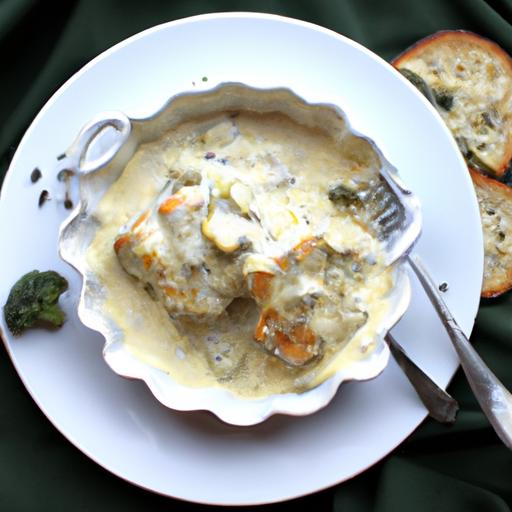


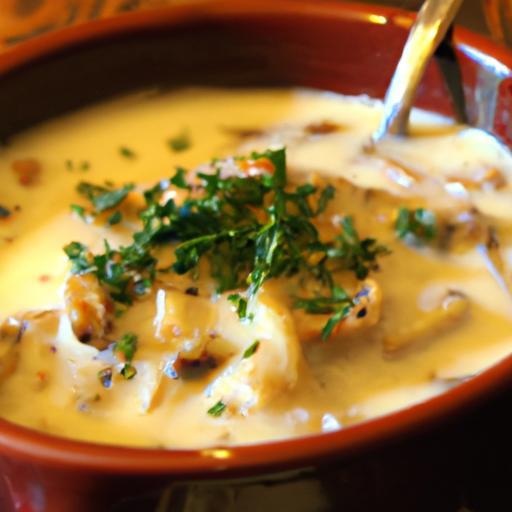
There’s something wonderfully comforting about a rich, velvety béchamel sauce-the creamy backbone of countless classic dishes, from lasagna to gratins. Traditionally made with butter, milk, and flour, this quintessential French white sauce has long been a symbol of indulgence in the culinary world. But what if you could capture that same luxurious texture and subtle flavor using entirely plant-based ingredients? Enter the creamy vegan béchamel: a luscious, dairy-free twist on the timeless classic that’s as versatile as it is delicious. In this guide,we’ll explore how to craft the perfect plant-based béchamel-from choosing the right milks and fats to mastering the art of that silky,smooth consistency-proving that plant-powered cooking can be every bit as decadent and comforting as the original.
Creamy vegan béchamel is a timeless sauce that beautifully marries tradition and innovation in plant-based cooking. Rooted in classic French cuisine, this dairy-free interpretation transforms the comforting silkiness of the original béchamel into a wholesome, cruelty-free delight. its velvety texture and subtle richness make it a versatile staple, essential for elevating countless dishes with an indulgent, yet light touch.
Prep and Cook Time
- Preparation: 10 minutes
- Cooking: 15 minutes
- Total Time: 25 minutes
Yield
Makes approximately 2 cups of sauce (serves 4-6)
Difficulty Level
Easy – perfect for home cooks at any experience level.
Ingredients
- 4 tablespoons vegan butter (or coconut oil for a lighter option)
- 1/4 cup all-purpose flour, sifted
- 3 cups unsweetened plant milk (unsweetened almond, oat, or soy milk work great)
- 1 teaspoon fine sea salt
- 1/2 teaspoon ground white pepper (adjust to taste)
- 1/4 teaspoon freshly grated nutmeg
- 1 teaspoon nutritional yeast (optional, for a subtle umami boost)
Instructions
- Warm the plant milk: Gently heat your plant milk in a small saucepan over low heat until warm but not boiling. Keeping it warm prevents lumps later.
- Melt vegan butter: In a medium saucepan, melt the vegan butter over medium heat. Let it foam gently but avoid browning.
- Create the roux: Whisk in the sifted flour instantly, stirring continuously for about 2-3 minutes until the mixture becomes smooth and has a light, nutty aroma. This step cooks out the raw flour taste and forms the creamy base.
- Add warm plant milk gradually: Slowly pour in the warmed plant milk, whisking vigorously to combine. This slow incorporation is key to achieving a velvety, lump-free sauce.
- Simmer to thicken: Continue cooking over medium-low heat, whisking constantly until the sauce thickens to a spoon-coating consistency (about 7-10 minutes). Patience is essential here for the perfect texture.
- Season thoughtfully: Stir in salt, white pepper, nutmeg, and optional nutritional yeast. Taste and adjust seasoning for a deeply layered flavor profile reminiscent of classic béchamel without the dairy.
- Finish and serve: Remove from heat and let the sauce rest for a minute; it will become even silkier as it cools slightly.
Tips for Success When Making Creamy Vegan Béchamel
- Choose your fat wisely: Vegan butter offers the closest flavor and texture to customary béchamel, but refined coconut oil makes a great neutral alternative.
- plant milk matters: Oat or soy milk provides creaminess and subtle earthiness, enhancing the sauce’s depth. Almond milk is lighter but still smooth.
- Prevent lumps: Always whisk the flour into melted fat first before adding the liquid.Pour the plant milk in slowly while whisking constantly.
- Customize flavor: Play with spices like white pepper and nutmeg for authentic warmth. Nutritional yeast adds umami and a slight cheesy note without overpowering.
- make ahead: This sauce thickens as it cools. Reheat gently with a splash of plant milk, whisking to restore silkiness.
creative Ways to Elevate Your Culinary Creations with Vegan Béchamel
The luscious, creamy texture of creamy vegan béchamel lends itself to endless culinary possibilities. Envision layers of tender lasagna noodles enveloped in this velvety sauce, bursting with vibrant roasted vegetables or rich cashew ricotta. Drizzle it over steamed greens or roasted cauliflower to add warmth and depth. Use it as the base for luscious vegan gratins or to create dreamy, dairy-free mac and cheese by folding in your favorite plant-based cheese alternatives and spices. A delicate garnish of fresh chopped herbs like thyme or chives adds a pop of color and fresh aroma, giving your dish a refined flourish.
| nutrient | Per 1/4 cup serving |
|---|---|
| calories | 110 kcal |
| Protein | 2 g |
| Carbohydrates | 12 g |
| Fat | 6 g |

For more plant-based sauces and inspiration, explore our complete sauces guide. To deepen your understanding of traditional béchamel techniques,the Craftsy tutorial on béchamel sauce offers an excellent reference (note: adapt to vegan ingredients as shown here).
Q&A
Q&A: Creamy Vegan Béchamel – A Plant-Based Classic Sauce Guide
Q1: What exactly is béchamel sauce, and why go vegan with it?
A1: Béchamel is one of the “mother sauces” of classical French cuisine-a smooth, creamy white sauce traditionally made with butter, flour, and milk. Switching to a vegan version means reimagining this luscious texture and comforting taste using plant-based ingredients, perfect for anyone avoiding dairy or embracing a cruelty-free lifestyle without sacrificing flavor and creaminess.
Q2: Which plant-based milks work best for a creamy vegan béchamel?
A2: Unsweetened and mild-flavored plant milks like oat, almond, or cashew milk are fantastic choices. They lend a subtle creaminess without overpowering the sauce, allowing those classic béchamel notes to shine through. avoid flavored or sweetened varieties to keep the taste neutral and versatile.
Q3: How do you achieve that rich, velvety texture without butter?
A3: coconut oil, vegan butter, or even a splash of olive oil can replace traditional butter. These fats help create the silky base when combined with flour to form the roux (the thickening agent).Cashew cream or silken tofu blended smooth can also be stirred in for an extra boost of richness.
Q4: Is it necessary to use all-purpose flour,or are there gluten-free options?
A4: While all-purpose flour is classic for thickening,you can absolutely use gluten-free flours like rice flour or cornstarch for a smooth béchamel. Keep in mind these alternatives might require slight tweaks in cooking time or quantity to get the perfect consistency.
Q5: How can I enhance the flavor of my vegan béchamel without dairy?
A5: A pinch of nutmeg, a dash of garlic powder, or finely minced shallots sautéed at the start elevate the sauce’s depth. Nutritional yeast is a clever addition-it mimics the subtle umami and cheesy notes traditionally found in béchamel, adding complexity without overpowering the delicate creaminess.
Q6: Can vegan béchamel be frozen and reheated?
A6: Yes! Vegan béchamel freezes beautifully. Just thaw slowly in the fridge, then whisk it gently while reheating on low heat. You might need to add a splash of plant milk to refresh its smooth texture.
Q7: What are some creative dishes where vegan béchamel shines?
A7: From creamy lasagnas layered with roasted veggies, to luscious gratins topped with crispy bread crumbs, and silky macaroni & “cheese” where béchamel is the base for luscious vegan cheese sauce-this sauce elevates countless recipes with a plant-powered twist.
Q8: How long does vegan béchamel last in the fridge?
A8: Stored in an airtight container,it stays fresh for about 3 to 4 days. Before using, simply stir well or warm gently to restore that smooth, dreamy texture. If it thickens too much, whisk in a little plant milk to loosen it up.
Q9: Is making vegan béchamel complex for beginners?
A9: Not at all! It’s a wonderfully approachable sauce that requires just a few staple ingredients and basic stovetop skills. With a little patience and stirring, anyone can whip up a batch of creamy vegan béchamel and elevate their plant-based cooking to new levels.
Q10: Any tips for avoiding lumps in vegan béchamel?
A10: The secret lies in making a smooth roux: melt your fat and whisk in the flour thoroughly before adding the plant milk gradually,stirring constantly. Warm the plant milk slightly to prevent shocking the roux and keep whisking to ensure a silky, lump-free sauce every time.
In Retrospect
With its velvety texture and rich, comforting flavor, this creamy vegan béchamel proves that plant-based cooking can elevate classic sauces to new, compassionate heights. Whether draped over lasagna layers, folded into gratins, or spooned atop steamed veggies, this guide unlocks the secret to a dairy-free béchamel that doesn’t compromise on taste or tradition. Embrace the art of vegan sauce-making, and let this timeless, plant-powered béchamel be your go-to companion in crafting dishes that nourish both body and soul. Happy cooking, and may your kitchen always be filled with creamy, dreamy goodness!