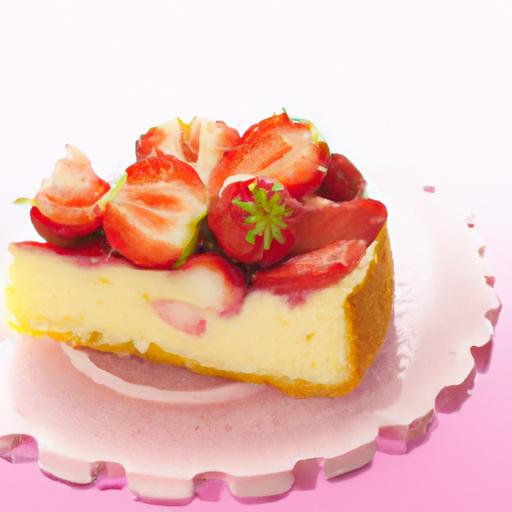


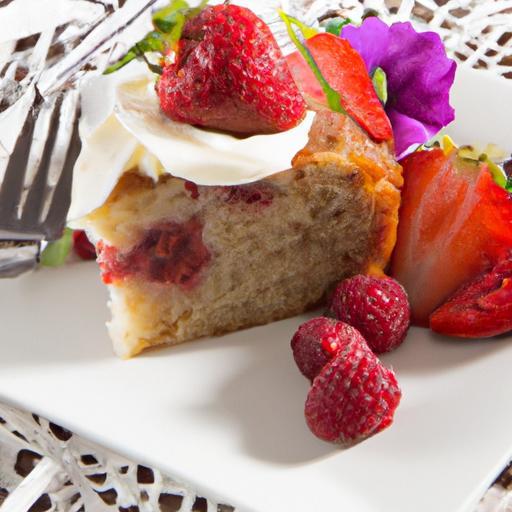
There’s something undeniably magical about the fraisier cake-a delicate masterpiece that marries the freshness of ripe strawberries with the buttery richness of almond sponge and the silky embrace of pastry cream. For bakers, both novice and seasoned, tackling this classic French dessert can feel like unlocking a secret language of textures and flavors. In this ultimate baking guide, we’ll peel back the layers of the fraisier, demystifying each step from crafting the perfect génoise to assembling a show-stopping centerpiece worthy of any festivity. Ready to elevate your baking skills and impress your taste buds? Let’s embark on the journey to mastering the fraisier cake.
Understanding the Essential Components of a Classic Fraisier Cake
Mastering the Fraisier Cake begins with appreciating the delicate balance of its essential components – each element crafted to celebrate the natural sweetness of strawberries in a symphony of textures and flavors. Originating from French patisserie tradition, this elegant cake layers fresh strawberries with airy sponge, luscious pastry cream, and a glossy marzipan or fondant topping. The magic lies not just in the individual parts but in their harmonious assembly, making each slice a stunning visual and gustatory delight.
choosing the Perfect Strawberries for Maximum Flavor and freshness
When Mastering the Fraisier Cake, nothing is as pivotal as selecting the freshest, ripest strawberries. Opt for berries that are firm yet tender,deep red in color,and fragrant – these ensure a burst of natural sweetness and a vibrant,jewel-like appearance inside your dessert. Early-season varieties might be too tart, while overly ripe ones can become mushy. It’s best to buy local or in-season strawberries for optimal flavor. Remember to gently wash and thoroughly dry them to prevent excess moisture that could disrupt the cake’s texture.
For added depth, consider layering whole strawberries around the edge of the cake to create that iconic Fraisier cross-section, while chopped strawberries folded into the pastry cream add juicy bursts with every bite.
Crafting the Ideal Sponge Cake Base for Lightness and Structure
The sponge cake in a Fraisier serves as the foundation – a delicate yet sturdy cushion for the cream and berries. A classic genoise sponge is the method of choice, known for its airy texture achieved without chemical leaveners. The key is to expertly whip the eggs and sugar until pale and voluminous,folding in sifted flour with care to maintain the airiness.
This sponge needs to be moist enough to complement the cream but firm enough to support the layers without collapsing. Lightly syruping the base with a simple sugar and lemon syrup enhances moisture and lends a subtle brightness that elevates the cake’s flavor profile.
expert Techniques for Silky Pastry Cream and Impeccable Assembly
The heart of the Fraisier is its crème mousseline, a luxurious pastry cream enriched with softened butter for silkiness and stability. Achieving the perfect texture means whisking the cream continuously over gentle heat until it thickens just enough – smooth, glossy, and free of lumps.
To master the assembly, a few expert tips ensure flawless results:
- Line your cake ring with acetate sheets to create smooth edges and facilitate removal.
- Place halved strawberries against the ring’s inside for a striking visual effect.
- Spread an even layer of pastry cream over the sponge, followed by a generous filling of chopped strawberries melded with more cream.
- Top with another sponge layer and finish with an elegant coat of marzipan or gelatin glaze to seal freshness.
Mastering these steps brings not only beauty but that signature melt-in-the-mouth experience that defines the Fraisier Cake.
Prep and Cook Time
- Preparation: 1 hour 20 minutes
- Cooking: 25 minutes
- Chilling/setting time: 4 hours minimum (preferably overnight)
Yield
Serves 8-10 elegant slices
Difficulty Level
Advanced – Ideal for passionate bakers ready to embrace classic French technique
Ingredients
-
- For the Genoise Sponge:
- 4 large eggs, room temperature
- 120g granulated sugar
- 100g all-purpose flour, sifted
- 20g unsalted butter, melted and cooled
- Pinch of salt
- For the Simple Syrup:
- 100ml water
- 80g granulated sugar
- 1 tsp fresh lemon juice
- For the Crème Mousseline Pastry Cream:
- 500ml whole milk
- 1 vanilla bean, split and scraped (or 1 tsp vanilla extract)
- 6 large egg yolks
- 150g granulated sugar
- 50g cornstarch
- 150g unsalted butter, softened
- For the Strawberries:
- 700g fresh strawberries, hulled and washed
- For Decoration:
- Marzipan sheet or clear gelatin glaze (optional)
- Fresh mint leaves (optional garnish)
- For the Genoise Sponge:
Instructions
-
-
- Prepare the Genoise Sponge: Preheat the oven to 180°C (350°F). Line a 23cm round cake pan with parchment paper. In a clean mixing bowl, whisk eggs and sugar over a simmering water bath until the mixture becomes thick, pale, and triples in volume (about 8 minutes). Remove from heat and continue whisking until cool.
- Gently fold in the sifted flour and a pinch of salt in three additions using a spatula, careful not to deflate the batter. Incorporate the melted butter by folding it in with a swift motion to maintain air.
- Pour the batter into the pan, smooth the top, and bake for 20-25 minutes or until a skewer comes out clean. Cool wholly on a wire rack.
- Make the Simple Syrup: Combine water, sugar, and lemon juice in a small saucepan over medium heat. Stir until sugar dissolves and syrup thickens slightly.Remove from heat and let cool.
- Prepare the Pastry Cream: Heat milk with vanilla seeds and pod until just boiling, then remove from heat and let steep 10 minutes. Whisk yolks, sugar, and cornstarch until pale. Gradually pour hot milk into egg mixture,whisking continuously.
- Return to saucepan and cook over medium heat, whisking constantly, until mixture thickens and bubbles. Remove from heat, strain to remove lumps, and let cool slightly. Whisk in softened butter in small increments until smooth and glossy. Chill until needed.
- Assemble the Cake: Slice the genoise horizontally into two equal layers. Place an acetate-lined cake ring on a serving plate. Arrange halved strawberries around the inside edge, cut side pressed against the acetate for a beautiful side profile.
- brush the bottom sponge layer generously with simple syrup. Spread half the pastry cream evenly,then scatter chopped strawberries mixed into remaining cream on top. Place the second sponge layer, syrup it lightly, and cover with the remaining pastry cream, smoothing the top.
- Cover with marzipan sheet or gently glaze with gelatin for shine.Chill for at least 4 hours, preferably overnight, to set fully before removal from the ring and slicing carefully.
-
Chef’s Notes
-
-
- Substitution: If marzipan is unavailable, use a thin layer of fondant or a dusting of powdered sugar for a classic finish.
- Make-Ahead: The Fraisier can be assembled a day ahead, wrapped tightly, and refrigerated to allow flavors to meld beautifully.
- texture Tip: Ensure the pastry cream is at room temperature before using butter for a smooth mousseline without lumps.
- Moisture Control: Pat strawberries dry after washing to avoid soggy layers.
- Troubleshooting: If the sponge is dense, avoid over-folding the flour; gentle handling preserves airiness.
-
Serving Suggestions
Slice the Fraisier with a thin, hot knife for clean, visually stunning portions. Serve chilled on elegant plates, garnished with a sprig of fresh mint or edible flowers for a refined touch. Pair with a lightly brewed green tea or a refreshing citrus-infused water to complement the cake’s delicate sweetness. This dessert shines as a centerpiece at celebrations, offering a perfect balance of lightness and luxury.
| Nutritional Info (per serving) | Calories | Protein | Carbohydrates | Fat |
|---|---|---|---|---|
| Fraisier Cake (1 slice) | 380 kcal | 6 g | 50 g | 15 g |

For continued exploration of French classics, don’t miss our Guide to Classic French Desserts. For deeper insight into strawberry cultivation and selecting the best berries, visit the Strawberry Farmers Association.
Q&A
Q&A: Mastering the fraisier Cake – Your Ultimate Baking Guide
Q1: What exactly is a fraisier cake?
A1: The Fraisier is a classic French dessert that elegantly showcases fresh strawberries. It’s a beautiful layered cake, typically made with a light sponge, rich pastry cream, and an abundance of juicy strawberries, all encased in a smooth marzipan or a thin layer of whipped cream. It’s like a delicate celebration of spring and summer in every bite!
Q2: What makes the Fraisier cake different from other strawberry cakes?
A2: The Fraisier’s charm lies in its structure and finesse. Unlike a simple strawberry shortcake, Fraisier layers fresh strawberries between crème mousseline-a silky blend of pastry cream and butter-sandwiched by genoise sponge. The result is a moist, luscious, and visually stunning cake with a perfect balance of sweetness, freshness, and texture.
Q3: What’s the best type of sponge cake to use for a Fraisier?
A3: Traditionally, a genoise sponge is preferred for its lightness and ability to absorb syrup without becoming soggy. The key is to bake it just right-soft yet sturdy enough to hold the luscious cream and juicy berries. Some bakers also use joconde sponge for added almond flavor and structure.
Q4: How do you prepare the pastry cream for a Fraisier?
A4: The classic Fraisier calls for crème mousseline, which starts with a smooth pastry cream (crème pâtissière). You make it by cooking milk, sugar, eggs, and flour (or cornstarch) into a thick custard, then cooling it completely before rigorously whipping in softened butter. The result is a creamy, rich filling that’s stable yet airy.
Q5: can I use frozen strawberries for the Fraisier?
A5: Fresh strawberries are ideal as their firmness and flavor truly shine in this cake. Frozen strawberries tend to release too much juice and can make the cake soggy.If you must use frozen berries, make sure to thaw and drain them thoroughly, but fresh is definitely worth the effort!
Q6: What’s the secret to a clean, professional-looking Fraisier?
A6: Precision and patience! use a cake ring or a springform pan to neatly layer the sponge, strawberries, and cream. Arrange the strawberry halves against the pan’s edge so they show thru the sides when unmolded. chill the cake well before removing the ring to set the layers perfectly.
Q7: how do you keep the strawberries from discoloring or losing freshness inside the cake?
A7: A simple brush of apricot glaze (apricot jam warmed and strained) on the exterior strawberries helps seal in freshness and adds a lovely gloss. Inside, the pastry cream acts as a protective barrier, keeping the strawberries flavorful and vibrant.
Q8: Any tips for adapting the Fraisier for beginners?
A8: Start by simplifying: use store-bought sponge and pastry cream if you’re short on time, then build confidence by layering fruit and cream neatly. Once comfortable, try making each component from scratch. Remember, Fraisier is as much about finesse as flavor, so take your time!
Q9: Can I experiment with flavors beyond classic strawberry?
A9: Absolutely! While the fraisier is famed for strawberries, you can swap in raspberries, blueberries, or even tropical fruits like mango, paired with complementary creams (think coconut or vanilla bean). Just keep the balance of fresh fruit and creamy richness intact.
Q10: How should I store a Fraisier cake?
A10: Fraisier is delicate and best enjoyed within 1-2 days of assembly. Keep it refrigerated,covered to prevent drying out,but allow it to come to room temperature for 20-30 minutes before serving-this brings out the flavors beautifully!
Q11: What common pitfalls should I avoid when making Fraisier?
A11: Watch out for soggy sponge by not over-soaking with syrup,and don’t let the pastry cream become lumpy-strain your custard for the smoothest result. Also, be gentle when folding butter into the cream; overheating or rushing can cause it to curdle. patience is key-rushing the chilling process can compromise the cake’s structure.
Q12: Any final piece of advice for aspiring Fraisier bakers?
A12: Fraisier is a rewarding challenge-like painting with flavors and textures. Embrace the process, savor the moments working lovingly with each layer, and don’t fear imperfections. Every cake bakes a story, and soon enough, you’ll be sharing yours with pride and strawberries!
In Summary
As you close this chapter on mastering the Fraisier cake, remember that each layer tells a story-of patience, precision, and passion.With the techniques and tips shared in this guide, you’re no longer just baking a dessert; you’re crafting an edible masterpiece that celebrates the harmony of fresh strawberries, delicate sponge, and silky crème mousseline. So gather your ingredients, don your apron, and let your kitchen become a stage where tradition and creativity come together in every slice. Your journey to Fraisier perfection has just begun-bake boldly and savor every moment!