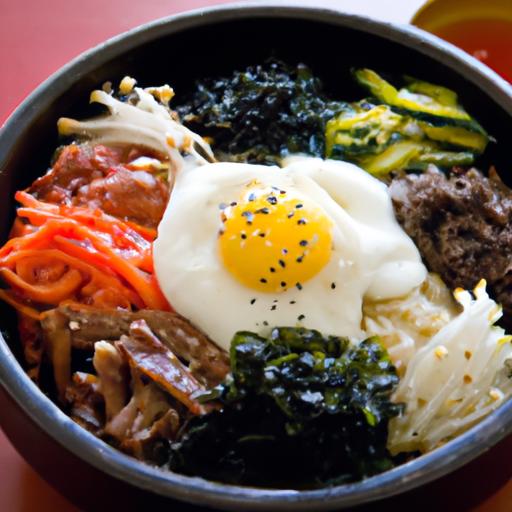


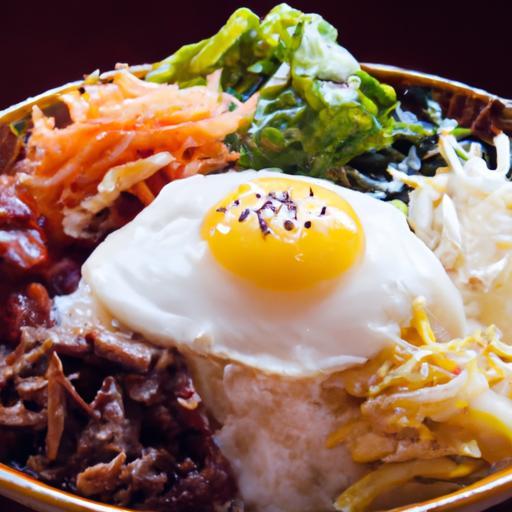
In the vibrant tapestry of Korean cuisine,few dishes shine as brilliantly as bibimbap-a colorful symphony of flavors,textures,and aromas meticulously layered atop a humble bed of rice.More than just a meal, bibimbap tells a story of tradition, balance, and the art of harmony in every bite. Whether you’re a curious food adventurer or a seasoned palate seeking to deepen your culinary knowledge, this ultimate guide will unravel the secrets behind bibimbap’s irresistible charm. From it’s rich history and regional variations to tips for assembling your own perfect bowl at home, prepare to embark on a flavorful journey that celebrates the heart and soul of korea’s beloved rice bowl.
Bibimbap Unveiled reveals more than a vibrant Korean rice bowl; it opens a gateway into centuries of heritage packed in every colorful, savory bite. originating from Korea’s Joseon Dynasty, this harmonious dish was designed as a practical yet elegant way to combine leftover vegetables, rice, and protein into a single, soul-nourishing meal. Personally, my first experience with Korean rice dish was at a bustling street market in Seoul – the sizzling sound of the hot stone bowl mingled with the rogue bursts of spicy gochujang created an intoxicating atmosphere. It’s this perfect balance of textures and flavors that make bibimbap an iconic dish cherished worldwide.
Bibimbap Unveiled: Prep and Cook Time, Yield, and Difficulty
- Prep Time: 25 minutes
- Cook Time: 20 minutes
- Total Time: 45 minutes
- Yield: 4 servings
- Difficulty Level: Medium
Mastering the Art of Bibimbap Ingredients and Readiness
- 2 cups short-grain white rice, cooked and kept warm
- 1 cup fresh spinach, blanched and drained
- 1 cup shiitake mushrooms, thinly sliced
- 1 medium carrot, julienned
- 1 medium zucchini, julienned
- 1 cup bean sprouts, blanched
- 2 cloves garlic, minced
- 1 tablespoon sesame oil, divided
- 2 teaspoons soy sauce
- 4 large eggs (for frying or raw yolk topping)
- 150 grams lean ground beef or tofu (optional protein)
- 3 tablespoons gochujang (Korean red chili paste)
- 2 teaspoons toasted sesame seeds
- Salt and freshly ground black pepper, to taste
Step-by-Step Instructions to Create Bibimbap
- prepare the rice: Rinse the rice thoroughly under cold water until water runs clear, then cook using a rice cooker or pot. Keep warm while preparing toppings.
- Sauté the vegetables: Heat 1 teaspoon sesame oil in a skillet over medium heat. Add sliced shiitake mushrooms and sauté until tender, about 4 minutes. Season with a pinch of salt and set aside. Repeat this process separately with carrots and zucchini, lightly sautéeing each until just softened.
- Blanch the greens: Briefly boil spinach and bean sprouts,about 30 seconds to 1 minute each. Drain and rinse under cold water to preserve vibrant color. Season with a pinch of salt and a drizzle of sesame oil.
- Cook protein: In the same pan, heat a teaspoon of sesame oil, add minced garlic and ground beef or crumbled tofu. Stir-fry until cooked through, seasoning with soy sauce and a little black pepper.
- Fry the eggs: In a separate non-stick pan, fry eggs sunny-side up with runny yolks, or prepare eggs over easy according to preference.
- Assemble the bowl: Spoon warm rice into individual bowls. Arrange each vegetable topping and protein artistically around the rice like a colorful mosaic.Place the fried egg gently on top.
- Serve with gochujang: Add 1 tablespoon of gochujang on top or on the side so eaters can mix to taste.
- Final touch: Garnish with toasted sesame seeds and a light drizzle of sesame oil for an aromatic finish.
Exploring Regional Variations and Signature Toppings
The beauty of bibimbap lies in its adaptability. From Jeonju’s famed Korean rice dish, which uses more diverse wild greens and a unique soy sauce-based topping, to the coastal regions adding fresh seafood, each variation reflects the local terroir and palate. Some regions emphasize ssamjang (fermented soybean paste) instead of gochujang, while others use crunchy lotus root or perilla leaves for an added textural surprise.
Expert Tips for Perfecting Your Bibimbap experience at Home
- Use quality short-grain rice for that characteristic stickiness and texture essential to bibimbap.
- Layer flavors carefully: Each vegetable should be pre-seasoned lightly – this contrast is key to the dish’s harmony.
- Don’t rush the egg: A perfectly cooked yolk melts like molten gold over the bowl, inviting a luscious mouthfeel;
- To mimic the iconic sizzling dolsot bibimbap: Heat a cast iron or stone bowl until very hot before adding rice and toppings to create a delightful crispy crust.
- Adjust spice levels: Start with less gochujang, especially if unfamiliar with Korean chili paste; it’s potent but can be balanced with a drizzle of honey or rice vinegar for complexity.
Serving suggestions
Present bibimbap in wide, shallow bowls to showcase the vibrant colors. before eating,encourage diners to mix all ingredients thoroughly to blend the savory,sweet,and spicy components. Offer small side dishes like kimchi or marinated cucumbers for a refreshing crunch. A sprinkle of finely chopped scallions or nori strips adds a fresh, umami finish. Paired with a light barley tea or chilled green tea, the meal becomes a complete sensory experience.

| Nutrient | per Serving |
|---|---|
| Calories | 520 kcal |
| Protein | 22 g |
| Carbohydrates | 70 g |
| Fat | 15 g |
For more delicious Korean recipes and cultural insights, check out our Complete Kimchi Fermentation Guide.
Q&A
Q&A: Bibimbap Unveiled - Your Ultimate Korean Rice Bowl Guide
Q1: What exactly is bibimbap?
A1: Bibimbap is a vibrant Korean rice bowl that translates to “mixed rice.” It features a colorful tapestry of fresh vegetables, savory protein, gochujang (Korean chili paste), and a perfectly cooked egg, all artfully arranged atop a bed of warm rice. When it’s time to eat, everything is stirred together, creating a harmonious blend of textures and flavors.
Q2: Where did bibimbap originate?
A2: Bibimbap’s roots trace back to Korea’s royal courts and traditional village meals, where it was a way to use leftover vegetables and rice creatively. Over time, it evolved into a beloved national dish celebrated for both its healthful ingredients and its balanced, satisfying taste.
Q3: What are the essential ingredients for an authentic bibimbap?
A3: The magic of bibimbap lies in its balance. At its core,you’ll find steamed white rice,sautéed or blanched vegetables like spinach,bean sprouts,zucchini,and shiitake mushrooms,spicy gochujang,toasted sesame oil,and a fried or raw egg. Protein often comes from marinated beef (bulgogi) or tofu, lending umami depth that elevates the bowl.
Q4: Can bibimbap be made vegetarian or vegan?
A4: Absolutely! By swapping the traditional beef for tofu or tempeh, and using plant-based sauces, bibimbap becomes an entirely plant-forward masterpiece. Just remember to opt for egg-free versions if you want it fully vegan and load up on diverse veggies and mushrooms for rich texture and flavor.
Q5: What is the importance of the egg in bibimbap?
A5: The egg, whether fried sunny-side-up or raw, is a flavor and texture star. Its creamy yolk coats the other ingredients when mixed, adding silkiness and mellow richness that balances the spicy and savory notes. In some regional variations, a beaten raw egg is stirred into the hot rice for warmth and binding power.
Q6: How do you eat bibimbap properly?
A6: Bibimbap is made for mixing! Before taking a bite, drench the bowl with gochujang, drizzle sesame oil, and stir vigorously until the ingredients meld into a colorful, flavorful dance. Each mouthful is an exciting blend of spicy, nutty, crunchy, and tender elements coming together beautifully.
Q7: Are ther regional variations of bibimbap?
A7: Yes! For instance,Jeonju bibimbap is famous for its meat and rich seasonings,while Dol-sot bibimbap is served in a sizzling stone pot that crisps the rice beneath-the prized crunchy “nurungji.” Jeju island types might add seafood, showcasing the dish’s adaptability across Korea’s diverse culinary landscape.
Q8: Can bibimbap be customized at home?
A8: Without a doubt! The beauty of bibimbap is its versatility. Feel free to experiment with seasonal vegetables, different proteins like chicken or mushrooms, and adjust the spice level of the gochujang to your liking.Top it with sesame seeds or seaweed flakes for added crunch and flavor.
Q9: What makes bibimbap a healthy meal choice?
A9: Bibimbap is a nutritional powerhouse thanks to its balance of fresh vegetables, lean protein, and carbs. The varied veggies provide vitamins and fiber, while the protein supports muscle and satiety. Plus, gochujang and sesame oil offer antioxidant properties-making every bowl a feast for both the body and soul.
Q10: Where can I experience the best bibimbap outside Korea?
A10: Many korean restaurants worldwide pride themselves on authentic bibimbap, often served sizzling and fresh. Look for eateries that use high-quality gochujang, fresh produce, and cook your egg perfectly at the table. Food festivals and Korean markets also offer excellent opportunities to try homemade-style bibimbap that transports you straight to the heart of Korean culinary tradition.
Dive in, mix it up, and savor the vibrant simplicity of bibimbap-Korea’s ultimate rice bowl journey awaits!
Key Takeaways
As the final grains of rice settle and the vibrant medley of flavors linger on your palate, Bibimbap reveals itself as more than just a dish-it’s a harmonious celebration of Korea’s rich culinary heritage. From its artful assembly to the joyful ritual of mixing, every bite tells a story of balance, tradition, and creativity. Whether you’re a seasoned foodie or a curious newcomer, Bibimbap invites you to savor not just a meal, but an experience that nourishes both body and soul. So next time you crave a bowl that’s as colorful as it is indeed comforting, remember: Bibimbap isn’t just food-it’s a delicious masterpiece waiting to be explored.