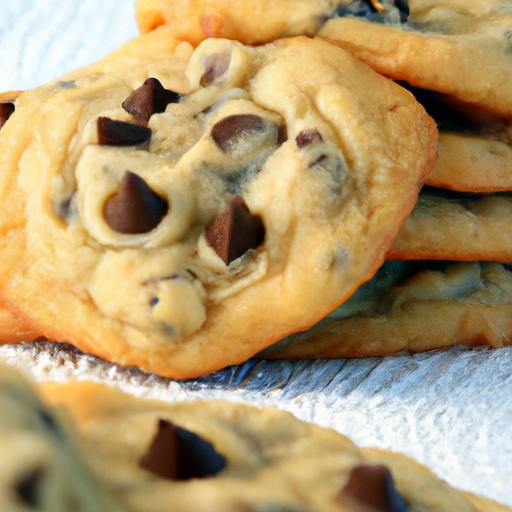


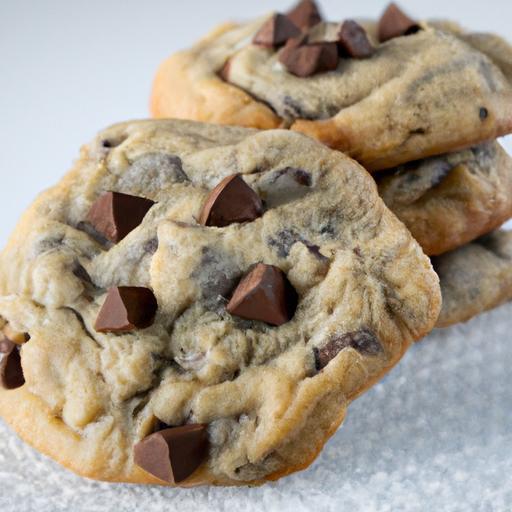
Few treats evoke as much warmth and nostalgia as teh humble chocolate chip cookie. Behind its golden-brown allure and gooey pockets of melted chocolate lies a captivating blend of science and art-a delicate dance of chemistry, temperature, and technique that transforms simple ingredients into an irresistible classic. In this article, we’ll unravel the secrets baked into every batch, exploring how ingredient ratios, mixing methods, and baking times converge to create that perfect balance of crisp edges and chewy centers.get ready to delve into the delicious science behind the chocolate chip cookie’s timeless appeal and discover how to master this beloved confection in your own kitchen.
Unlocking the secrets behind the perfect chocolate chip cookie starts with understanding the delicate interplay of chocolate and dough, where every ingredient plays a vital role. From the melting creaminess of butter to the purposeful granules of sugar, each element contributes to texture, flavor, and structure, crafting the cookie’s ultimate chew, snap, and spread.
Prep and Cook Time
- Planning: 20 minutes
- Chilling (optional for flavor progress): 1 hour
- Baking: 10-12 minutes
- Total: Approximately 1 hour 30 minutes
Yield
- About 24 classic-sized cookies
Difficulty Level
- Medium – Perfect for bakers ready to delve deeper into cookie science
Ingredients
- 2 1/4 cups all-purpose flour, sifted
- 1 teaspoon baking soda
- 1/2 teaspoon fine sea salt
- 3/4 cup unsalted butter, softened
- 3/4 cup packed light brown sugar
- 1/2 cup granulated sugar
- 1 large egg + 1 large egg yolk, at room temperature
- 2 teaspoons pure vanilla extract
- 1 1/2 cups premium semi-sweet chocolate chips (see notes on selection)
Instructions
- Preheat your oven to 350°F (175°C). Line baking sheets with parchment paper or silicone mats for even baking.
- In a medium bowl, whisk together flour, baking soda, and salt; set aside to blend flavors and leavening evenly.
- Using a stand mixer or hand mixer, cream the softened butter with both sugars on medium speed until light, fluffy, and slightly pale-about 3 to 4 minutes.This aeration is key to your cookie’s tender crumb.
- Add the egg and egg yolk, mixing well after each addition before stirring in the vanilla extract. The extra yolk enhances moisture and richness, making the dough silky smooth.
- Gradually incorporate the flour mixture on low speed until just combined-avoid overmixing to preserve tenderness.
- Gently fold in the chocolate chips ensuring even distribution without deflating your dough.
- If time allows, chill the dough for at least 1 hour. This step strengthens gluten strands and controls cookie spread, resulting in more uniform, thicker cookies.
- Drop generous tablespoon-sized scoops of dough onto the prepared pans, spacing them 2 inches apart for proper spreading.
- Bake for 10 to 12 minutes,rotating sheets halfway through. Cookies should be golden at the edges yet still soft in the center for optimum chewiness.
- Allow cookies to cool on the baking sheet for 5 minutes before transferring to a wire rack to finish cooling.
Chef’s Notes: Tips for Success
- Butter’s Temperature: Use softened but not melted butter to strike the right balance between spread and lift. Melted butter creates thinner, crisper cookies; softened butter yields gentle spread and chew.
- Sugar Ratios: Brown sugar brings moisture and depth with its molasses content, while granulated sugar helps create crisp edges.Adjust the balance for chewier or crisper textures.
- Oven Temperature: Precise heat control influences both spread and browning. A lower temp keeps cookies thick and tender; a hotter oven produces golden edges with a soft middle.
- Chocolate chip Choice: Opt for high-quality semi-sweet chips with a cocoa content around 60%. Smaller chips melt quickly for gooey bites; larger chunks or chunks of chocolate bars provide bursts of rich flavor and texture contrast.
- Chilling the Dough: This step is crucial for flavor intensification and textural control. Minimum 1-hour chill time is recommended; overnight yields even deeper complexity.
- Substitutions: For a richer flavor, try browned butter instead of softened butter. To keep cookies dairy-free, substitute with vegan butter alternatives maintaining similar consistency.
Serving Suggestions
Serve these impressive chocolate chip cookies slightly warm to highlight their luscious,melty interiors balanced by crisp edges. Complement with a glass of cold milk or a scoop of vanilla bean ice cream for a decadent treat. For visual appeal, sprinkle a pinch of flaky sea salt atop freshly baked cookies-it enhances the chocolate’s depth and creates a gourmet contrast.

Nutritional Information
| Serving Size | Calories | Protein | Carbohydrates | Fat |
|---|---|---|---|---|
| 1 cookie | 180 kcal | 2 g | 24 g | 8 g |
For an in-depth understanding of baking science and ingredient functionality, check out the comprehensive guide on King Arthur Baking’s Science Hub. You can also explore our post on Best Chocolate Chip cookie Recipes for varied textures and flavor twists.
Q&A
The Science and Secrets Behind Perfect Chocolate Chip Cookies: Q&A
Q1: What makes a chocolate chip cookie perfectly chewy or delightfully crispy?
A1: The texture of a chocolate chip cookie hinges primarily on the balance of ingredients.more brown sugar adds moisture and chewiness thanks to its molasses content, while white sugar encourages crispiness by aiding caramelization. Butter plays a key role too-melted butter tends to produce chewier cookies, while cold butter leads to fluffier, more biscuit-like results. And don’t forget baking time: a slightly underbaked center keeps things soft, while an extra minute in the oven gives a crispier edge.
Q2: How does the type of flour affect cookie texture?
A2: Flour isn’t just flour. All-purpose flour typically gives a good balance, but if you want tender cookies, incorporating some cake flour lowers protein content, reducing gluten formation.Gluten is what makes baked goods stretchy and chewy, so less gluten means a softer bite. On the other hand, bread flour’s higher protein can make cookies denser and chewier. The key is knowing your perfect texture and adjusting accordingly.
Q3: Why do some recipes call for chilling the dough?
A3: Chilling cookie dough is a secret weapon.When cold, the fat in butter solidifies, preventing cookies from spreading too fast in the oven.This helps maintain shape and promotes an even, thicker cookie. Plus, chilling allows flavors to meld and deepen – vanilla and brown sugar notes become richer, making every bite more complex and satisfying.
Q4: Can the type of chocolate influence the final cookie?
A4: Absolutely. Semi-sweet chocolate chips are classic, but using chunks or chopped high-quality chocolate adds varying textures and pockets of intense chocolate flavor as they partially melt. Darker chocolates bring a bittersweet richness, while milk chocolate lends creamy sweetness. Mixing different chocolates can create a dynamic, multi-layered taste experience that keeps the palate intrigued.
Q5: What role do eggs play in cookie chemistry?
A5: Eggs are magic binders and leavening aids. The proteins in eggs help hold cookie dough together, ensuring structure, while the fat in yolks adds richness and tenderness. More egg yolks usually mean softer, denser cookies, whereas egg whites promote crispness and lightness. Adjusting egg quantities is a subtle art that affects both texture and flavor depth.
Q6: How crucial is the oven temperature?
A6: oven temperature can make or break your cookie game. A hotter oven (around 375°F/190°C) encourages rapid spreading and browning, giving crispy edges and gooey centers. Lower temps bake cookies more slowly and evenly, resulting in pale, soft cookies throughout. Experimenting with temperature helps tailor the cookie’s final character.
Q7: What are the secrets to perfect cookies without using any preservatives or artificial additives?
A7: Simplicity and quality reign supreme.Fresh, high-quality ingredients-real butter, pure vanilla extract, and premium chocolate-make all the difference. Trust in the fundamentals: precise measuring, careful mixing, and patience. Avoid overmixing to prevent toughness, and don’t rush the chilling stage. Nature provides everything needed for cookie perfection when respected.
Q8: Are there any lesser-known ingredients that subtly enhance flavor or texture?
A8: Yes! A pinch of sea salt sprinkled atop before baking elevates sweetness and contrasts beautifully with chocolate. Adding a small amount of cornstarch to the flour can yield a softer, more tender crumb by reducing gluten formation.Some bakers even incorporate a touch of espresso powder to amplify chocolate notes without imparting a coffee flavor, making each bite deeper and more aromatic.
Q9: How do mixing techniques impact the final cookie?
A9: How you combine ingredients influences texture and rise. Creaming butter and sugar aerates the dough, creating a fluffier, lighter cookie. Alternatively, melting butter and mixing ingredients warm yields denser, fudgier results. Overmixing flour can develop gluten and toughen cookies, so folding in dry ingredients gently is key.The process is a dance between chemistry and technique.
Q10: Why do chocolate chip cookies sometimes turn out flat and greasy?
A10: Flat, greasy cookies usually signal too much fat or under-floured dough, causing excessive spreading. Using softened rather of melted butter helps maintain structure, and chilling offsets the spreading too. Additionally, baking soda reacts with acidic ingredients to produce lift-if missing or old, cookies can flatten. Accurate measurements and fresh leavening agents keep your cookies in shape and luscious, not oily.
Perfect chocolate chip cookies are a fusion of art and science-the alchemy of ingredients, temperatures, and time. Master the secrets hidden in your kitchen, and every batch will be a little masterpiece.
the Conclusion
As we close the oven door on our deep dive into the science and secrets behind perfect chocolate chip cookies, one thing becomes clear: these beloved treats are far more than simple sweets. They are the result of chemical reactions, precise timing, and a delicate balance of ingredients all working in harmony to create that unforgettable bite. Whether you favor a crisp edge or a gooey center, understanding the science empowers you to tailor each batch to your heart’s desire. So next time you mix, bake, and savor, remember-you’re not just making cookies; you’re conducting a delicious edible experiment where every chip counts.Happy baking!