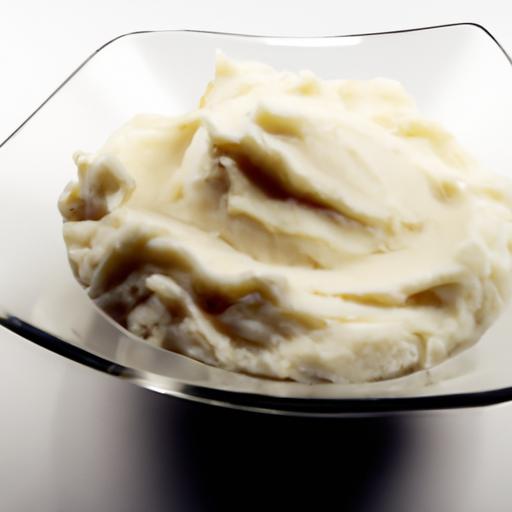


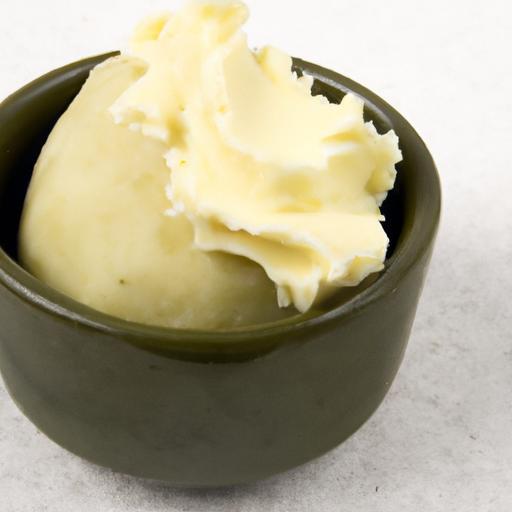
There’s something deeply comforting about a bowl of perfectly whipped mashed potatoes – that velvety texture, the rich buttery flavor, the gentle steam rising in delicate clouds. Yet, achieving that silky, dreamy consistency can sometimes feel elusive, even for seasoned home cooks.In “Mastering Creamy Perfection: A Chef’s Mashed Potato Guide,” we’ll unravel the culinary secrets behind this classic side dish, exploring techniques, ingredients, and tips that transform humble potatoes into a luxurious masterpiece. Whether you’re aiming to impress at your next dinner party or simply elevate your weeknight meals, prepare to embark on a flavorful journey toward mashed potato bliss.
Mastering Creamy Perfection begins with selecting the ideal potato and understanding the subtle science behind boiling and mashing.The journey to silky-smooth mashed potatoes flows from humble beginnings: the choice of potato. for luscious texture, starchy options like Russets or Yukon Golds reign supreme. Russets yield a fluffier, lighter mash, while Yukon Golds provide a naturally buttery flavor and creamier mouthfeel. Avoid waxy potatoes like red or new potatoes, which tend to hold shape and create a gluey texture.
Choosing the ideal Potato for Silky Smoothness
Start your quest by sourcing freshly harvested,firm potatoes with minimal blemishes.Consistency in size ensures even cooking, which is crucial for an elegant texture. Russet potatoes, with their high starch content and low moisture, break down easily when boiled, absorbing butter and cream beautifully. Yukon Golds strike a harmony of starch and waxiness, enhancing richness without becoming gummy.
The Science of boiling and Mashing for Optimal Texture
Boiling potatoes correctly can make or break your creamy mashed potato masterpiece. Place the potatoes in cold, salted water and bring it gently to a boil. This gradual heat penetration cooks the potatoes evenly,preventing a mushy exterior with a cold centre. Once fork-tender, drain immediately and let them steam briefly to evaporate excess moisture-too much water dilutes creaminess.
For mashing, use a potato ricer or food mill for the smoothest finish, avoiding a blender or food processor that overworks starch and induces gluey results. Folding in warm butter first coats each fluffy particle with rich flavor, followed by gentle incorporation of warm cream or milk. This layering maintains a light, airy texture that melts on the tongue.
Unlocking Flavor Layers with Creams and Butters
The difference between ordinary and spectacular mashed potatoes lies in luxurious dairy additions. High-quality unsalted butter, ideally European-style with higher fat content, adds depth and silkiness. Slowly melting butter into your warm potatoes creates a velvety contrast to the starchy base.
Complement this with heated heavy cream or half-and-half, gradually stirred in to reach the perfect consistency. For added dimension, infuse your cream with aromatics such as a halved garlic clove, fresh thyme sprigs, or cracked black pepper before incorporating. This subtle enrichment unlocks complex layers without overpowering the potato’s natural flavor.
Expert Tips for Achieving Luscious Consistency Every Time
- Keep all dairy warm: Cold butter or cream shock cool the potatoes, leading to a dense, less cohesive mash.
- Don’t over-mash: Gentle folding preserves air pockets that contribute to a light, fluffy texture.
- Salt judiciously: Add salt during boiling water and adjust once mashed; potatoes need salt to balance richness.
- Use a ricer or food mill: This creates fine, uniform pieces, critical for silky smooth results.
- Customize fats: Substitute part of the cream with crème fraîche or sour cream for a tangy twist.
Prep and Cook Time
- Preparation: 10 minutes
- Cooking: 20 minutes
- Total: 30 minutes
Yield
Serves 4 generous portions
Difficulty Level
Easy to Medium – approachable for home cooks yet refined enough for gourmet meals
Ingredients
- 2 pounds Russet or Yukon Gold potatoes, peeled and cut into equal chunks
- 1 teaspoon fine sea salt, plus more to taste
- 6 tablespoons unsalted European-style butter, cut into pieces and warmed
- ¾ cup heavy cream, warmed (optionally infused with garlic or herbs)
- Freshly ground white or black pepper, to taste
Instructions
- Place potato chunks in a large pot and cover with cold water by 1 inch. Add 1 teaspoon sea salt.
- Bring to a gentle boil over medium-high heat. Reduce to medium and simmer until fork-tender,about 15-20 minutes.
- Drain potatoes in a colander; return to pot and place over low heat for 1-2 minutes to evaporate excess moisture.
- Pass potatoes thru a ricer or food mill directly back into warm pot or a large bowl.
- Add warmed butter pieces and fold gently until melted and incorporated.
- Slowly pour in warm cream, mixing carefully to reach desired creamy consistency.
- Season with additional salt and freshly ground pepper to taste. Stir delicately once more.
- Serve immediately or keep warm by covering with a lid or foil.
Chef’s Notes
- For ultra-smooth texture, avoid using electric mixers which can break down starch granules excessively, causing gummy mashed potatoes.
- Make-ahead: Prepare through step 4, cover, and refrigerate.Gently reheat over low heat, adding warmed butter and cream before serving.
- For a dairy-free variation,swap butter for high-quality olive oil and use warm almond or oat milk rather of cream.
- Experiment with mix-ins like roasted garlic,fresh chives,or grated Parmesan for unique flavor variations.
Serving Suggestions
Plate your mashed potatoes elegantly with a swirl made by the back of a spoon, topped with a pat of melting butter and a sprinkle of fresh chopped chives or flat-leaf parsley. Complement with a drizzle of extra virgin olive oil or a few crisp shallots fried to golden perfection. This dish pairs spectacularly with roasted chicken, garlic herb mushrooms, or steamed seasonal greens for a complete, comforting meal.

| Nutrient | Amount per Serving |
|---|---|
| Calories | 220 kcal |
| Protein | 3 g |
| Carbohydrates | 28 g |
| Fat | 11 g |
For further expert tips on vegetable preparation and kitchen techniques, explore our Ultimate Guide to Root Vegetables, and discover in-depth science behind starches at ScienceDaily.
Q&A
Q&A: Mastering Creamy Perfection – A Chef’s Mashed Potato Guide
Q1: What’s the secret to achieving ultra-creamy mashed potatoes every time?
A1: The magic lies in choosing the right potato and respecting the cooking process. Start with starchy or all-purpose potatoes like Russets or Yukon Golds – their high starch content ensures fluffiness. Boil them gently until they are fork-tender but not waterlogged. After draining,warm your dairy (milk,cream,or butter) before folding it in slowly.This gradual blending keeps the texture silky rather than gluey. And remember: less is more when mashing – overworking releases excessive starch, turning your potatoes gummy instead of creamy.
Q2: Can I make mashed potatoes ahead of time without losing their luscious texture?
A2: Absolutely! Prepare your mashed potatoes as usual, then cool them quickly and store in an airtight container in the fridge. When reheating, add a splash of warm milk or cream and gently re-whip them to restore creaminess. For an extra indulgent touch, finish with a pat of butter right before serving to refresh that velvety richness.
Q3: How do I avoid watery mashed potatoes?
A3: Watery mash usually means the potatoes absorbed too much water during boiling. To prevent this, cut potatoes into evenly sized chunks to ensure uniform cooking and drain thoroughly once tender. Let them sit in the colander for a minute or two to steam off any excess moisture. Also, avoid boiling potatoes aggressively; a gentle, steady simmer is key to perfect texture.
Q4: What’s the best tool for mashing to achieve a silky finish?
A4: A classic potato ricer or food mill is the chef’s top choice for cloud-like mashed potatoes because it breaks down potatoes uniformly without overworking starch. If you prefer handheld options, a sturdy masher works well, but steer clear of high-speed blenders or food processors, which can turn your mash sticky.
Q5: Are there creative ways to elevate classic mashed potatoes without compromising creaminess?
A5: yes! Infuse your dairy with roasted garlic, fresh herbs like chives or thyme, or even a touch of truffle oil for subtle luxury.Swirl in caramelized onions or roasted root vegetables for added depth. The key is to keep additions smooth and well-incorporated to maintain that silky texture.
Q6: What dairy alternatives still provide creamy mashed potatoes?
A6: for those seeking non-dairy options, full-fat coconut milk or creamy nut-based milks-like cashew milk-work beautifully.Warm these alternatives and blend gradually into your potatoes. Pairing them with a dairy-free butter substitute can also enhance richness,ensuring your mash stays indulgent and smooth.
Q7: How can I season mashed potatoes beyond just salt and pepper?
A7: don’t be shy with seasoning! A pinch of smoked paprika,freshly grated nutmeg,or a hint of garlic powder can add intriguing layers without overpowering the natural potato flavor. Finish with finely chopped fresh herbs to brighten the dish and add visual appeal.
With these tips, you’re ready to transform humble potatoes into a creamy masterpiece worthy of any table. Mastery is all about patience, quality ingredients, and gentle technique – now go mash like a true chef!
Future outlook
As you embark on your journey to mashed potato mastery, remember: achieving that irresistibly silky, creamy texture is both an art and a science. With the right choice of potatoes, mindful cooking techniques, and a gentle hand during mashing, you unlock the true potential of this humble comfort food. Whether served alongside a festive feast or as a simple weeknight side, your elevated mashed potatoes will speak volumes-inviting smiles, nostalgic sighs, and second helpings at the table. So go ahead, embrace the process, and transform everyday spuds into a luscious, velvety masterpiece worthy of any chef’s repertoire. Your taste buds-and your guests-will thank you.