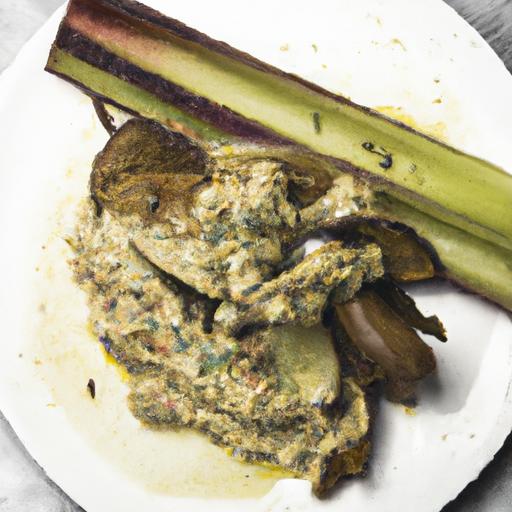

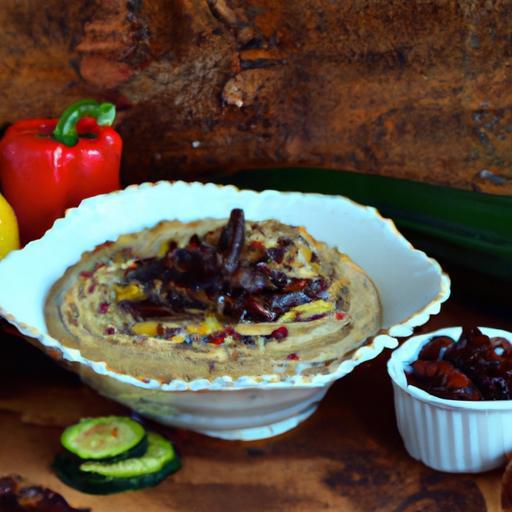
In teh vast tapestry of Mediterranean and middle eastern cuisine,few dishes capture the creativity quite like baba ganoush. This velvety, smoky eggplant dip is more than just a flavorful appetizer – it’s a story of fire and tradition, woven thru centuries of culinary artistry. “Baba Ganoush Unveiled: the Smoky Eggplant Delight Revealed” invites you on a fragrant journey,peeling back the layers of its rich history,exploring the secrets behind its unmistakable smoky aroma,and uncovering why this humble eggplant transforms into a beloved sensation across tables worldwide. Prepare to savor the essence of smoky summer nights and ancient kitchens, as we dive deep into the magic that makes baba ganoush an enduring classic.
baba Ganoush is much more than a humble eggplant dip; it is indeed a time-honored Middle Eastern classic that has graced tables for centuries, captivating taste buds with its luscious smoky notes and creamy texture. Rooted deeply in Levantine traditions, this dish reflects a culinary history rich with cultural exchanges and local ingenuity, where fire and flame transform simple eggplants into a luxurious, velvety experiance.
Prep and Cook Time
- Readiness: 15 minutes
- Cooking (Grilling + Roasting): 40 minutes
- Total Time: 55 minutes
Yield
Serves 6 as a flavorful appetizer or side dish.
Difficulty Level
Medium - mastering the grilling and roasting ensures the perfect smoky depth in baba Ganoush.
Essential Ingredients for Authentic Baba ganoush
- 2 large eggplants (preferably globe variety, firm with glossy skin)
- 3 tablespoons tahini (sesame paste, fresh and creamy)
- 2 cloves garlic, finely minced
- 3 tablespoons fresh lemon juice (about 1 large lemon)
- 3 tablespoons extra virgin olive oil, plus extra for drizzling
- 1 teaspoon ground cumin (optional, for warmth)
- Salt to taste
- Freshly ground black pepper, to taste
- Fresh parsley or pomegranate seeds (for garnish)
Step-by-Step Instructions to Master Baba Ganoush’s Smoky Flavor
- Prepare the Eggplants: Rinse and dry the eggplants. Using a fork, poke several holes around the skin to allow even roasting. This prevents bursting and helps smoke penetrate.
- Grill the Eggplants: Preheat a grill or gas burner to medium-high heat. Place the eggplants directly onto the flame or grill grates. Turn every 5 minutes until all sides are charred,and skin is blistered-about 20 minutes. This step infuses that signature smoky aroma.
- Roast for Tenderness: Transfer the grilled eggplants to a baking sheet. Roast in a 400°F (200°C) oven for 15-20 minutes until entirely soft and collapsing. This intensifies the creamy texture.
- Cool and Peel: Remove from oven and let cool slightly. Peel off the charred skin carefully – the smoky flavor lies beneath the blackened exterior. Use your hands or a spoon to scoop out the flesh into a bowl, discarding skin and seeds if too bitter.
- Mix the Ingredients: Add minced garlic, tahini, lemon juice, and cumin to the eggplant flesh. Using a fork or food processor, mash or pulse gently until smooth but still slightly chunky for texture.
- Season: Stir in olive oil, salt, and freshly ground black pepper. Adjust lemon juice or salt as needed. The olive oil lends a glossy richness.
- Serve: Transfer Baba Ganoush to a shallow bowl. Drizzle with extra olive oil and garnish with chopped parsley or pomegranate seeds for contrast and brightness.
Chef’s notes & Tips for Success
- Eggplant selection: Choose firm, blemish-free eggplants to ensure sweeter flesh and less bitterness.
- Achieving the Smoky Flavor: If grilling isn’t an option, broil the eggplants, turning often to achieve blackened skin, but outdoor grilling yields the truest smoke essence.
- Texture Variation: For a silkier baba Ganoush, blend in a food processor; for rustic charm, mash with a fork.
- Tahini Swap: Substitute tahini with plain Greek yogurt (dairy-free options are possible with coconut yogurt) for a lighter twist.
- Storage: Store leftovers covered in the refrigerator for up to 3 days. Bring to room temperature before serving for best flavor.
- spice it Up: Add a pinch of smoked paprika or Aleppo pepper flakes for a fiery nuance without overpowering the eggplant’s smokiness.
Serving Suggestions to Elevate Your Baba Ganoush Experience
Baba Ganoush unveils its full potential when paired thoughtfully.Serve it with warm, soft pita bread brushed with olive oil or crunchy flatbread chips for delightful texture contrast. It pairs beautifully with a mezze platter featuring tabbouleh, hummus, and stuffed grape leaves. For an elevated presentation, top the dip with a scattering of pomegranate seeds, a drizzle of herb-infused olive oil, and finely chopped fresh mint or parsley-it adds vibrant color and fresh aroma.
Try pairing Baba Ganoush with grilled vegetables, spiced lamb kebabs, or as a creamy condiment alongside roasted chicken or falafel wraps. For a Mediterranean-inspired brunch, dollop it atop avocado toast with a sprinkle of za’atar seasoning.
| Nutrient | Per Serving |
|---|---|
| Calories | 120 kcal |
| Protein | 3 g |
| Carbohydrates | 8 g |
| Fat | 9 g |

For an inspiring dive into related Middle Eastern spreads, check our detailed guide on authentic Hummus Recipes. Deepen your understanding of regional flavors through the Encyclopedia Britannica on Baba Ganoush.
Q&A
Q&A: Baba Ganoush Unveiled - the Smoky Eggplant Delight Revealed
Q1: What exactly is Baba Ganoush?
A: Baba Ganoush is a luscious Middle Eastern dip made primarily from roasted eggplants, blended into a creamy, smoky spread. It’s known for its rich texture and subtly smoky flavor, making it a favourite appetizer or side dish in many Mediterranean and Levantine cuisines.
Q2: Where does the name “Baba Ganoush” come from?
A: The phrase “Baba Ganoush” is thought to originate from Arabic, where ”baba” means “father” or a term of endearment for an elder, and “ganoush” loosely translates to “pampered” or “coquettish.” Together, the name charmingly suggests a “pampered papa” or “delightfully spoiled,” reflecting the dip’s indulgent nature.
Q3: What gives Baba Ganoush its signature smoky flavor?
A: The magic lies in the roasting process! Traditionally, the eggplants are charred over open flames or grill until the skin is burnt and the pulp inside becomes soft and smoky. This smoky essence is what sets Baba Ganoush apart from other eggplant-based dishes.
Q4: How is baba Ganoush different from another popular eggplant dip, Mutabbal?
A: While both dips feature roasted eggplant, baba Ganoush often includes tahini, garlic, lemon juice, and olive oil, emphasizing the creamy, nutty flavor complemented by the smoky roasted eggplant. Mutabbal, on the other hand, is typically spicier and sometimes includes more garlic and chili, leaning more into a robust, fiery profile.
Q5: Can Baba Ganoush be made without tahini for those with allergies or preferences?
A: Absolutely! While tahini (ground sesame paste) adds a rich, nutty depth to Baba Ganoush, it can be omitted or substituted with alternatives like sunflower seed butter or simply extra olive oil and lemon juice to maintain creaminess. The smoky eggplant remains the star of the show.
Q6: What are some conventional ways to enjoy Baba Ganoush?
A: Baba ganoush is famously enjoyed as a dip with warm pita bread or fresh vegetable sticks like cucumbers and carrots. It also makes a fantastic spread for sandwiches or a flavorful side dish alongside grilled vegetables, rice, or flatbreads.
Q7: Are there regional variations of Baba Ganoush?
A: Yes! Across the Levant and Mediterranean, recipes vary slightly. Some regions incorporate chopped fresh herbs like parsley or mint, others add a sprinkle of pomegranate seeds for a burst of sweetness and color.Some even mix in yogurt for a tangier twist. Despite these variations,the essence of smoky roasted eggplant remains constant.
Q8: How can you tell when your eggplant is perfectly roasted for Baba Ganoush?
A: When your eggplant skin is charred and blistered, and the flesh inside feels tender and scoopable, it’s ready. After cooling, the flesh shoudl be silky smooth with a distinct smoky aroma, perfect for blending into a creamy dip.
Q9: What are the health benefits of Baba Ganoush?
A: Baba Ganoush is packed with nutritious ingredients! Eggplants provide dietary fiber, antioxidants, and vitamins. The olive oil and tahini contribute healthy fats, making it a heart-amiable, wholesome choice. It’s also naturally gluten-free and vegan, fitting into a variety of dietary preferences.
Q10: can Baba Ganoush be prepared in advance?
A: Definitely! baba Ganoush actually benefits from resting-allowing the flavors to meld together, the taste deepens. Stored in an airtight container in the refrigerator, it stays fresh for up to 3-4 days. just stir before serving and drizzle with a bit of olive oil and a sprinkle of fresh herbs for a fresh finish.
Wrapping Up
As the velvety layers of Baba Ganoush unfold, we uncover more than just a dish – we reveal a story steeped in history, culture, and the aromatic whisper of smoky eggplants kissed by fire. Whether savored as a humble appetizer or a centerpiece in a vibrant spread, Baba Ganoush invites us to celebrate the art of transformation: from simple ingredients to a rich, soulful delight. So next time you dip your bread into that creamy, smoky treasure, remember you’re not just tasting a recipe-you’re experiencing a tradition that continues to kindle warmth and connection across tables worldwide.