

In the world of culinary artistry, reimagining classic dishes with fresh, unexpected ingredients breathes new life into timeless favorites. Enter beet carpaccio-a vibrant, earthy twist on the traditional Italian starter usually reserved for thinly sliced raw beef or fish. With its jewel-like crimson hues and naturally sweet, slightly nutty flavour, beet carpaccio not only dazzles the eyes but also delights the palate. This colorful dish combines simplicity and sophistication, offering a plant-based option that honors the essence of carpaccio while celebrating the humble beet in all its glory. Join us as we explore how this striking appetizer is transforming menus and inspiring chefs too redefine the starter course with creativity and bold flavor.
Beet Carpaccio is a culinary delight that transforms humble beets into a visually stunning and flavorful starter that captivates both the eyes and palate. Originating as an homage to the classic Italian dish originally served with thinly sliced raw beef,this vibrant twist celebrates the earthy sweetness and vivid hues of fresh beets. Perfect for impressing guests or elevating a casual meal, mastering the art of selecting, slicing, pairing, and presenting beet carpaccio is your gateway to a elegant yet approachable appetizer.
Prep and Cook Time
Preparation: 20 minutes
Cook Time: 15 minutes (for roasting)
Total Time: 35 minutes
Yield
Serves 4 as an elegant starter
Difficulty Level
Medium – requires knife skills and careful plating
Ingredients
- 3 medium fresh beets, washed and trimmed
- 2 tbsp extra-virgin olive oil, plus more for drizzling
- 1 tbsp fresh lemon juice
- 2 tbsp finely chopped fresh flat-leaf parsley
- 2 tbsp toasted walnuts, roughly chopped
- 3 tbsp crumbled feta cheese or vegan feta alternative
- Sea salt and freshly ground black pepper, to taste
- Microgreens or baby arugula, for garnish
- 1 tsp honey or maple syrup (optional, for a hint of sweetness)
Instructions
- Roast the Beets: Preheat the oven to 400°F (200°C). Wrap each beet in aluminum foil and roast on a baking tray for about 40-50 minutes until tender when pierced with a fork. Let cool completely.
- Peel with Care: Once cooled, gently rub the skins off the beets using your hands or a paper towel. The skins should come off easily without damaging the flesh.
- Master the Thin Slice Technique: Using a sharp mandoline slicer, cut the beets into paper-thin rounds (about 1-2 mm thick). If you don’t have a mandoline, a very sharp knife and steady hand will suffice. Thin slices are key for that melt-in-the-mouth texture.
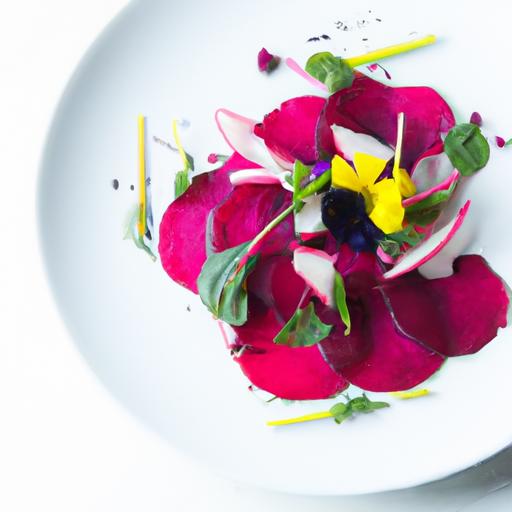
- Assemble the Carpaccio Base: Arrange the beet slices in a single overlapping layer on chilled flat plates. This technique allows the vibrant ruby reds and deep purples to shine through elegantly.
- Prepare the Dressing: In a small bowl, whisk together olive oil, lemon juice, honey (if using), salt, and pepper. Drizzle evenly over the beet slices to enhance their natural sweetness with a shining, tangy contrast.
- Add Texture and Flavor Layers: Scatter toasted walnuts and crumbled feta over the top to introduce crunch and creaminess-classic contrasts that elevate the dish.
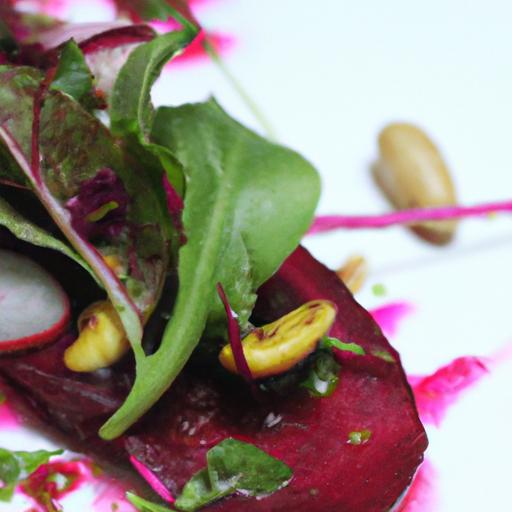
- Finish with Fresh Herbs and Greens: Garnish with microgreens or baby arugula and a sprinkle of finely chopped parsley. This imbues freshness and a slight peppery note that balances the earthiness of the beets perfectly.
- Chill Briefly: Allow the assembled beet carpaccio to rest in the refrigerator for 10-15 minutes before serving. This melds the flavors and ensures a refreshing bite.
Flavor Pairings That Elevate Your Beet Carpaccio Experience
Beet carpaccio offers a canvas for vibrant flavor combinations. The natural earthiness of beets sings when paired with sharp, tangy elements like lemon juice and crumbled feta. Adding toasted walnuts introduces a warm, nutty crunch that contrasts delightfully with the silky texture of thinly sliced beets. Fresh herbs such as parsley and peppery microgreens add brightness and complexity.For an optional touch, a drizzle of honey or maple syrup softens the acidic edges, enhancing the beet’s inherent sweetness.Incorporating citrus segments-such as oranges or ruby grapefruit-can also provide bursts of juicy acidity that elevate each bite into an unforgettable experience.
Presentation Tips to Impress with Vibrant Color and Elegance
Visual appeal is paramount when serving Beet Carpaccio. Use pristine white or slate-gray plates to make the deep reds and purples vibrant and eye-catching. Arrange slices carefully in overlapping concentric circles or an artful fan to showcase their natural gradient and translucency. Avoid overcrowding: leave space to breathe and highlight simplicity.Garnishes should be thoughtfully placed-not sprinkled haphazardly-to emphasize color contrasts and textures. A gentle drizzle of high-quality olive oil adds a beautiful sheen, catching light and inviting the eye. consider serving alongside crusty artisan bread or a crisp green salad to balance texture and round out the presentation.
| Nutrient | Per Serving |
|---|---|
| Calories | 180 kcal |
| Protein | 5 g |
| Carbohydrates | 15 g |
| Fat | 12 g |
Tips for Success
- Select firm, smooth-skinned beets with no blemishes or soft spots for the best texture and sweetness.
- Uniform thin slices are crucial-invest in a mandoline to ensure consistent thickness and a delicate mouthfeel.
- Roasting enhances sweetness and softens the beets, but you can also try steaming for a slightly different texture.
- Make ahead: Beet slices and dressing can be prepared a day in advance; assemble just before serving to preserve freshness.
- For variation, swap walnuts for pistachios or toasted pine nuts,and feta for aged goat cheese or a dollop of creamy labneh.
For an in-depth look at other vegetable carpaccio recipes and plating ideas, explore our vegetable Carpaccio Inspiration guide. To deepen your knowledge on beet nutrition and health benefits,visit the British Nutrition Foundation.

Q&A
Q&A: beet Carpaccio – A Vibrant Twist on a Classic Starter
Q: What exactly is beet carpaccio?
A: Beet carpaccio is a creative and colorful take on the traditional carpaccio, which originally features thinly sliced raw meat or fish. In this vibrant version, thin slices of fresh or roasted beetroot replace the usual proteins, offering a naturally sweet and earthy flavor that’s as stunning on the plate as it is delightful to the palate.
Q: Why choose beets for carpaccio instead of the classic ingredients?
A: Beets provide a fresh and unexpected twist that’s both visually striking and nutritionally rich. Their deep red or golden hues create an artful presentation, while their naturally tender texture when thinly sliced mimics the finesse of classic carpaccio. Plus,beets bring a wealth of vitamins,minerals,and antioxidants to the table.
Q: How do you prepare beets for carpaccio? Raw or cooked?
A: Both raw and roasted beets work beautifully for carpaccio. Raw beets bring a crisp, slightly earthy crunch, but require very thin slicing for easy eating. Roasting enhances their natural sweetness and softens the texture, lending a melt-in-the-mouth feel. Some chefs even combine both preparations for layered flavors and textures.
Q: What are some must-have ingredients to elevate beet carpaccio?
A: The magic lies in balancing beets’ sweetness with bright, tangy, and savory notes. Think citrus zest or fresh lemon juice to brighten, a drizzle of high-quality olive oil for richness, and a sprinkle of flaky sea salt and freshly ground pepper to highlight flavors. Garnishes like crushed pistachios, microgreens, fresh herbs (such as basil or dill), and creamy elements like goat cheese or whipped ricotta add texture and complexity.
Q: Can beet carpaccio fit into a plant-based or vegan diet?
A: Absolutely! Beet carpaccio can be entirely plant-based.To keep it vegan, substitute dairy toppings with nut-based spreads or avocado slices, and use olive oil and citrus as dressing components. It’s a gorgeous and satisfying starter that’s as mindful as it is delicious.
Q: What occasions are perfect for serving beet carpaccio?
A: This dish shines at dinner parties and seasonal gatherings where you want to impress with minimal fuss. Its vibrant presentation makes it a showstopper for spring and summer menus, while its earthy flavors are comforting in cooler months. Beet carpaccio is equally suited for casual lunches or elegant multicourse meals.
Q: How can I make the dish visually stunning?
A: Use a mandoline slicer to achieve uniformly thin slices, then arrange them in overlapping circles or a delicate fan pattern on a plate. Add contrasting colors like bright green herbs, white cheese crumbles, or golden nuts to create visual interest. A light drizzle of a vibrant dressing or a sprinkle of edible flowers can transform the dish into a piece of edible art.
Q: Any tips for someone trying beet carpaccio for the first time?
A: Start with fresh, high-quality beets and slice them as thinly as possible. If you’re new to raw beets, lightly roasting them may be more approachable. Taste and adjust the seasoning-beets love a balance of acidity and saltiness. Don’t be afraid to experiment with toppings; their sweet earthiness pairs wonderfully with bright, crunchy, and creamy textures.
beet carpaccio is a festivity of color, texture, and flavor that reimagines a classic starter with a fresh, plant-forward spirit. It’s simple to create,endlessly adaptable,and sure to inspire both seasoned cooks and curious food lovers alike.
In Summary
beet carpaccio invites both cooks and diners to see a classic starter through a kaleidoscope of color, texture, and flavor. Its vibrant crimson slices not only brighten the plate but also offer a refreshing,earthy counterpoint to traditional preparations. Whether you’re seeking a show-stopping appetizer for your next dinner party or a simple way to elevate a weeknight meal,this twist on carpaccio proves that innovation in the kitchen can be as beautiful as it is delicious. Embrace the beet, and let your palate savor a starter that’s as visually stunning as it is uniquely satisfying.