

There’s something truly enchanting about the first bite of a coconut cake-a tender, moist slice that carries whispers of sun-drenched beaches and balmy island breezes. “Coconut Cake Delights: A Tropical Treat to Savor” invites you to embark on a culinary journey where creamy coconut meets fluffy cake, creating a harmony of flavors that dance on the palate. Beyond its irresistible taste, this tropical delicacy holds a rich history and versatile appeal, making it a beloved favorite from casual gatherings to elegant celebrations. Join us as we explore the origins, ingredients, and creative variations of this delightful dessert, uncovering why coconut cake continues to captivate dessert lovers around the world.
Coconut Cake Delights capture the essence of tropical paradise in every tender, fluffy bite. This luscious cake originated in the southern United States but has become a beloved celebration treat across the globe,thanks to its irresistible blend of moist layers,creamy frosting,and that unmistakable coconut aroma. Whether it’s a family reunion, birthday, or a simple weekend indulgence, mastering this cake means bringing sunshine to your table all year round.
Choosing the Best Ingredients for Authentic Tropical Taste
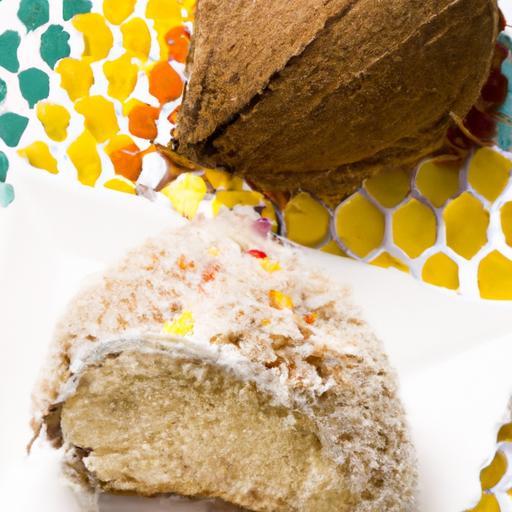
The secret to an unforgettable coconut cake lies in the quality and freshness of your ingredients. Opt for unsweetened shredded coconut with a fine texture to blend seamlessly into the batter and frosting – freshly grated coconut can elevate the flavor further but isn’t always available.
Look for high-quality coconut milk or full-fat canned coconut cream to replace some liquid in the batter, enhancing moisture and adding a tropical richness that water or regular milk can’t replicate. Use pure vanilla extract to amplify flavor complexity, and choose a creamy butter or oil base to keep the crumb tender and soft.
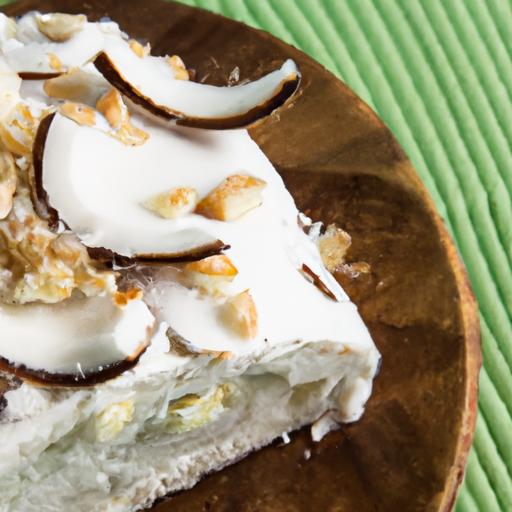
For frosting, whipped cream cheese or buttercream combined with coconut extract and a sprinkle of toasted coconut flakes creates an unforgettable finish both visually and flavor-wise.
Prep and Cook Time
- Preparation: 20 minutes
- Baking: 30-35 minutes
- Cooling & Frosting: 45 minutes
Yield
Serves 10-12 slices
Difficulty Level
Medium – perfect for home bakers ready to hone their skills with tropical flavors and an elegant finish.
Ingredients for Coconut Cake Delights
- 2 ½ cups all-purpose flour, sifted
- 2 ½ tsp baking powder
- ½ tsp fine sea salt
- 1 cup unsalted butter, softened
- 2 cups granulated sugar
- 4 large eggs, room temperature
- 1 tsp pure vanilla extract
- 1 cup full-fat coconut milk
- 1 ½ cups finely shredded unsweetened coconut
- 1 tsp coconut extract (optional but recommended)
For Coconut Frosting:
- 1 cup unsalted butter, softened
- 4 cups powdered sugar, sifted
- ¼ cup full-fat coconut milk
- 1 tsp coconut extract
- 2 cups shredded sweetened coconut, toasted for garnish
Step by Step Guide to Baking a Moist and Fluffy Coconut Cake
- Preheat your oven to 350°F (175°C). Grease and flour two 9-inch round cake pans or line with parchment paper for easy removal.
- In a medium bowl, whisk together flour, baking powder, and salt. Set aside.
- In a large bowl, beat the butter and sugar together on medium-high speed until creamy and light in color, about 3-4 minutes. This aerates the batter for fluffiness.
- Add eggs one at a time, beating well after each addition. Stir in vanilla and coconut extract.
- Alternate adding the dry ingredients and coconut milk to the butter mixture, starting and ending with flour mixture-combine gently but thoroughly.
- Fold in the shredded coconut to integrate tropical texture through the batter.
- Divide batter evenly between the prepared pans and smooth the surfaces.
- bake for 30-35 minutes, or until a toothpick inserted near the center comes out clean. Avoid overbaking to maintain moistness.
- Allow cakes to cool in pans for 10 minutes, then invert to wire racks to cool entirely. Cooling fully prevents frosting slip and melting.
- prepare frosting: Beat butter until creamy,gradually mix in powdered sugar,coconut milk,and coconut extract; whip until light and fluffy.
- To assemble, spread a thick layer of frosting on one cake layer, then top with the second. Cover entire cake with the remaining frosting evenly.
- Press toasted shredded coconut flakes onto the sides and top of the cake for an elegant tropical finish.
Tips for Success & Variations
- If you prefer a lighter crumb, substitute half the butter with vegetable oil – it increases moisture without weighing down the cake.
- For a dairy-free version, swap butter for refined coconut oil and use coconut cream instead of milk.
- Too much moisture? Ensure your shredded coconut is well-drained or lightly toasted before adding.
- Make the cake a day ahead-refrigerate uncovered to set the frosting, then bring to room temperature before serving.
- Enhance the tropics by adding a layer of crushed pineapple or passion fruit curd between cake layers.
creative Serving Ideas to Elevate Your Coconut Cake Experience
Slice and serve this cake alongside a chilled mango salsa or passion fruit coulis to complement the coconut’s natural sweetness.
for an impressive party centerpiece, top with edible orchids or fresh tropical fruits like kiwi, papaya, and pineapple slices.
Create mini coconut cake parfaits by layering cake crumbs, frosting, and toasted coconut in glass cups-great for intimate gatherings.
Pair a slice with a cup of aromatic jasmine tea or a creamy, iced coconut latte to fully immerse in the tropical vibe.
| Nutritional Info (per slice) | Calories | Protein | Carbs | Fat |
|---|---|---|---|---|
| Coconut Cake Delight | 380 kcal | 5 g | 45 g | 18 g |

For more tropical recipes, don’t miss our Tropical Desserts Collection and visit Serious Eats’ expert guide on perfecting coconut cakes.
Q&A
Q&A: Coconut Cake Delights: A Tropical Treat to savor
Q1: What makes coconut cake a tropical delight?
A1: Coconut cake captures the essence of tropical paradise with its rich, creamy coconut flavor and moist, tender crumb. The use of fresh coconut or coconut extracts, combined with fluffy frosting and frequently enough toasted coconut flakes, evokes sunny beaches and palm trees in every bite.
Q2: How is coconut cake different from othre cakes?
A2: Unlike many cakes that rely on vanilla or chocolate as the star,coconut cake highlights the unique texture and flavor of coconut. it often features shredded coconut in the batter or layered between moist cake tiers, lending a distinctive chewiness and a vibrant tropical aroma.
Q3: What are some key ingredients in a classic coconut cake?
A3: A traditional coconut cake typically includes flour, sugar, eggs, butter, coconut milk or cream, shredded coconut, and baking powder.The frosting is frequently enough a creamy coconut or cream cheese frosting, richly flavored with coconut extracts or coconut flakes to intensify the tropical taste.
Q4: Can coconut cake be made into a vegan or dairy-free treat?
A4: Absolutely! Coconut cake lends itself beautifully to vegan and dairy-free adaptations. Substitutes like coconut oil or vegan butter,plant-based milk such as almond or coconut milk,and aquafaba or flaxseed eggs can replace animal products without sacrificing the cake’s moistness or flavor.
Q5: What are some creative ways to serve or garnish coconut cake?
A5: To enhance the tropical vibe, coconut cake can be adorned with toasted coconut flakes, fresh pineapple slices, or passionfruit drizzle. Adding a sprinkle of chopped macadamia nuts or a side of mango sorbet can elevate the experience, adding texture and complementary flavors.
Q6: How should coconut cake be stored to maintain its freshness?
A6: Coconut cake should be stored covered in the refrigerator, ideally wrapped in plastic wrap or kept in an airtight container to prevent it from drying out. Because of its moist, rich ingredients, it typically stays fresh for 3 to 5 days. For longer storage, cake slices can be frozen and thawed gently before serving.
Q7: Can coconut cake be used in desserts beyond the traditional layered cake?
A7: Certainly! Crumbled coconut cake makes a fantastic base for trifles or parfaits layered with tropical fruits and whipped cream. It can also be transformed into cupcakes, cake pops, or even a tropical-inspired bread pudding. Its versatility invites endless creative culinary expressions.
Q8: Why is coconut cake a popular choice for celebrations and gatherings?
A8: Coconut cake’s vibrant flavor and visually appealing texture make it a standout centerpiece for any occasion. Its light yet indulgent taste tends to please a broad range of palates, evoking joy and a festive spirit reminiscent of warm, sunny celebrations often held in tropical locales.
Q9: Are there regional variations of coconut cake around the world?
A9: Yes! From the coconut-laden cakes of the American South to the coconut chiffon cakes popular in southeast Asia, coconut cake’s recipes vary globally. Each culture adds its own twist-be it layering techniques, sweetness levels, or complementary flavors like lime zest or ginger, making every bite a unique tropical adventure.
Q10: What tips can help home bakers perfect their coconut cake?
A10: for a moist and flavorful coconut cake, use high-quality shredded coconut and coconut milk, avoid overmixing the batter, and properly measure leavening agents for the perfect rise. Toasting the coconut topping just before serving enhances aroma and texture.Lastly, allow the cake to cool completely before frosting to prevent melting or sliding layers.
Whether you’re a baking novice or a seasoned dessert lover, coconut cake offers a slice of tropical bliss that’s as delightful to make as it is to savor!
The Way Forward
As the last forkful of coconut cake melts away, you’re left with more than just a sweet memory-it’s a little slice of tropical paradise captured in every bite. Whether enjoyed sunlit by the beach or baked lovingly in your kitchen, this delightful dessert invites you to savor the creamy, nutty essence of the coconut in all its glory. so next time you crave a treat that’s as refreshing as a sea breeze and as comforting as home, let coconut cake be your tasty escape to paradise. After all, sometimes the sweetest journeys come wrapped in layers of cake and coconut cream.