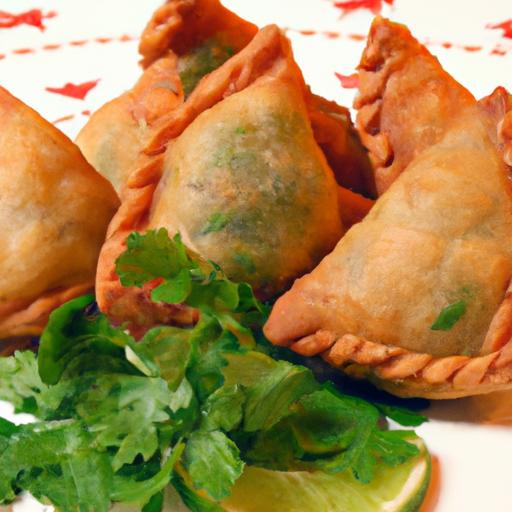


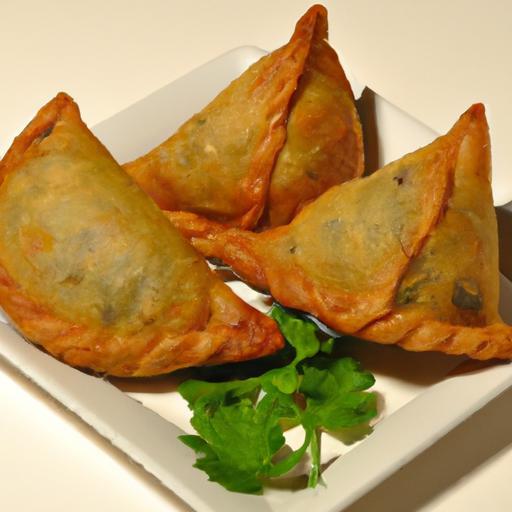
There’s a certain magic in the first bite of a crispy vegetable samosa-a golden, flaky pocket bursting with a vibrant medley of spiced potatoes, peas, and aromatic herbs. This beloved Indian snack is more then just finger food; its a celebration of textures and flavors that has charmed taste buds around the world for centuries. In this guide, we’ll unravel the secrets behind crafting the perfect crispy vegetable samosas, exploring their rich cultural heritage, essential ingredients, and step-by-step techniques to bring this flavorful Indian delight to your kitchen. Whether you’re a seasoned cook or a curious food lover, prepare to embark on a delicious journey that honors tradition and awakens your palate.
Crispy Vegetable Samosas are a beloved dish that combines the warmth of aromatic spices with fresh, vibrant vegetables encased within a perfectly flaky, golden shell. Originating from the Indian subcontinent, these savory delights have traveled far beyond their roots to become a worldwide favorite snack.The secret to unforgettable samosas lies not just in the filling but also in the choice of vegetables, the mastery of the shell, the harmony of spices, and the frying technique-all of which come together in perfect symphony.
Prep and Cook Time
- Prep Time: 40 minutes
- Cook Time: 25 minutes
- Total Time: 1 hour 5 minutes
Yield
Serves 8 (approx. 16 samosas)
Difficulty Level
Medium – Perfect for adventurous home cooks ready to elevate their snack game
Ingredients
- For the filling:
- 2 cups peeled and diced potatoes
- 1 cup finely chopped green peas (fresh or frozen)
- 1 medium carrot, grated
- 1/2 cup boiled and finely chopped cauliflower florets
- 2 tablespoons oil
- 1 teaspoon cumin seeds
- 1 teaspoon grated ginger
- 2 finely chopped green chilies (adjust to taste)
- 1/2 teaspoon turmeric powder
- 1 teaspoon garam masala
- 1 teaspoon coriander powder
- 1/2 teaspoon amchur (dry mango powder) or lemon juice
- salt to taste
- Fresh cilantro, chopped (about 2 tablespoons)
- For the dough:
- 2 cups all-purpose flour, sifted
- 1/4 teaspoon salt
- 4 tablespoons oil or melted ghee
- 1/2 cup water (adjust as needed)
- For frying:
- Vegetable oil, enough for deep frying
Instructions
- Prepare the filling: Boil the diced potatoes until tender but firm. Drain and mash lightly. In a pan, heat 2 tablespoons oil on medium heat, add cumin seeds; once they crackle, add ginger and green chilies. Sauté for 1 minute.
- Add the grated carrot, chopped cauliflower, and peas. Cook for 5 minutes, stirring occasionally, until vegetables are tender but not mushy.
- Mix in turmeric, coriander powder, garam masala, amchur powder, and salt. Stir well to coat the vegetables evenly. Fold in the mashed potatoes and chopped cilantro. Cook for another 3 minutes, then remove from heat and allow the mixture to cool wholly.
- Make the dough: Combine all-purpose flour and salt in a large bowl. Add oil or ghee and rub it into the flour until the mixture is crumbly. Gradually add water, stirring and kneading until a smooth, stiff dough forms. Cover with a damp cloth and rest for 30 minutes.
- Form samosa shells: Divide the dough into equal-sized balls (about 16). Roll each ball into a thin oval or circle (6-7 inches diameter). Cut each circle in half to create two semi-circles.
- Fold one semi-circle into a cone, sealing the edge with a little water. fill the cone with 2 tablespoons of the vegetable filling, then seal the open edge by pressing firmly with your fingers to form a triangular pocket.
- Heat oil for frying: In a deep pan, heat vegetable oil over medium heat to about 350°F (175°C). To test, drop a small piece of dough into the oil – it should float and sizzle immediately.
- Fry the samosas: Fry samosas in batches, avoiding overcrowding. Stir gently,frying until both sides are uniformly golden brown and crisp,about 4-5 minutes. Use a slotted spoon to remove and drain on paper towels.
Tips for Success
- Choose firm vegetables like potato and cauliflower for the filling to avoid soggy samosas.
- Resting the dough helps develop gluten for that perfect flaky yet crisp shell.
- Add amchur powder or lemon juice at the end to brighten the flavor and balance the spices.
- Maintain moderate oil temperature; too hot will brown the samosas quickly without cooking the filling, too low results in greasy samosas.
- For gluten-free options,try substituting all-purpose flour with a chickpea flour blend,but expect slight texture differences.
Serving suggestions
present these samosas piping hot with a vibrant mint-cilantro chutney and sweet tamarind sauce. Garnish with a sprinkle of chaat masala and freshly chopped cilantro for added zest. Pair with a cup of steaming chai or your favorite yogurt-based raita to complement the spices and crispness.

| Nutrient | Per Serving (2 samosas) |
|---|---|
| Calories | 210 kcal |
| Protein | 5 g |
| carbohydrates | 28 g |
| Fat | 8 g |
For those intrigued by other Indian snack recipes, explore our detailed guide on Paneer Tikka. To deepen your knowledge on authentic Indian spices, visit this comprehensive research article on the health benefits of traditional Indian herbs and spices.
Q&A
Q&A: Crispy Vegetable Samosas – A Flavorful Indian Delight Guide
Q1: What exactly is a vegetable samosa?
A1: A vegetable samosa is a beloved Indian snack featuring a golden, crispy pastry shell filled with a savory blend of spiced vegetables-usually potatoes, peas, carrots, and sometimes lentils. It’s a handheld bite of warmth that marries crunch and comfort in every fold.
Q2: Where did samosas originate?
A2: Samosas have a rich history dating back to medieval Central Asia and the Middle East, but they became an iconic street snack in India centuries ago. Over time, they evolved with regional twists, making the crispy vegetable samosa a staple across Indian households and street markets alike.
Q3: What makes the samosa crust so crispy and flaky?
A3: The magic lies in the dough, traditionally made from all-purpose flour (maida), a pinch of salt, and a touch of oil or ghee. The dough is rolled thin and sealed tightly around the filling before deep-frying in hot oil. The hot oil quickly crisps the pastry, creating that irresistible crunch.
Q4: Can samosas be baked instead of fried for a healthier option?
A4: Absolutely! Baking samosas is a fantastic alternative that retains much of the crispiness while cutting down on oil. Brushing the samosas lightly with oil before baking and baking them at a high temperature ensures a golden, crispy finish.Q5: What spices typically flavor the vegetable filling?
A5: The filling bursts with warmth and depth thanks to spices like cumin seeds, coriander powder, garam masala, turmeric, and sometimes a hint of chili powder or fresh green chilies. Fresh ginger, garlic, and cilantro add layers of aromatic brightness.
Q6: How do I ensure my samosas don’t turn soggy after frying?
A6: To avoid sogginess, ensure your filling is dry-not overly wet or saucy-and your oil is hot enough (around 350°F/175°C) before frying. Frying at the right temperature crisps the pastry immediately, sealing in the filling and preventing oil absorption.Q7: What are the best chutneys or dips to serve with vegetable samosas?
A7: Vegetable samosas shine brightest with vibrant chutneys like tangy tamarind-date chutney, refreshing mint-cilantro chutney, or a simple yogurt raita. The contrast between the crispy, spiced samosa and the cool, zesty dips creates a harmony of flavors.
Q8: Can samosas be made in advance and stored?
A8: Yes! You can prepare samosas up to the frying stage and freeze them on a tray before transferring to a sealed bag. When ready to eat, fry or bake them straight from the freezer for a fresh, crispy treat anytime.
Q9: Are there variations of vegetable samosas across India?
A9: Definitely. While the classic potato-and-pea filling is widespread, some regions fill samosas with spicy lentils, paneer (Indian cottage cheese), mixed vegetables, or even sweet fillings.Each variation tells a story of local tastes and culinary creativity.
Q10: Why are samosas so popular as street food?
A10: Samosas are portable, flavorful, and affordable, making them perfect for busy streets and markets. Their satisfying crunch and spicy filling offer comfort and energy-an irresistible combination for hungry passersby. They’re more than a snack; they’re a cultural icon enjoyed by all ages.
Delve into the world of crispy vegetable samosas and discover why this Indian delight continues to captivate taste buds around the globe!
The Way Forward
As the golden, flaky layers of a crispy vegetable samosa reveal their fragrant, spiced filling, it’s clear why this beloved Indian snack has captured hearts-and taste buds-worldwide. From humble street carts to festive gatherings, samosas offer more than just a bite; they deliver a story of tradition, warmth, and culinary artistry. Whether you’re a seasoned chef or a curious kitchen adventurer, mastering the art of the perfect samosa is a delicious journey worth savoring. So next time you crave a flavorful escape wrapped in a crunchy embrace,remember: a crispy vegetable samosa is not just food-it’s a vibrant celebration of India’s rich culinary tapestry.