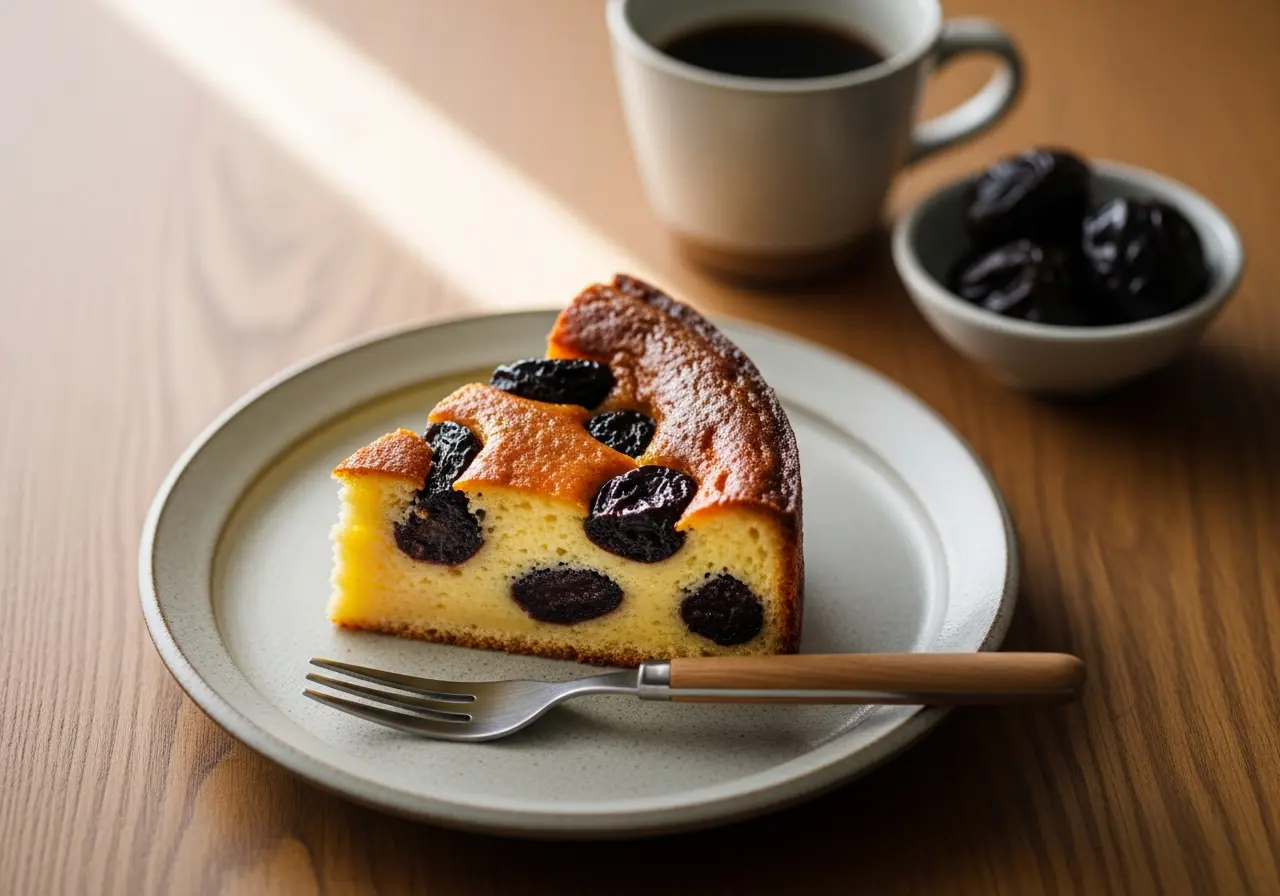


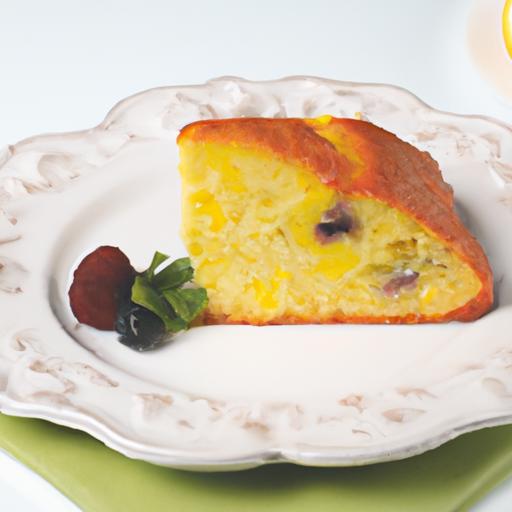
Hidden within the sun-dappled kitchens of Brittany lies a dessert that whispers tales of rustic charm and timeless tradition-Far Breton. This humble custard cake, cloaked in a golden, slightly caramelized crust and studded with tender prunes or raisins, invites you to savor a slice of French countryside heritage. More than just a sweet treat, Far Breton is a comforting embrace from the past, blending simple ingredients into a richly textured delight that makes every bite a journey. Join us as we discover the story behind this beloved custard cake, exploring its origins, unique character, and why it continues to capture hearts far beyond its Breton birthplace.
Discover Far Breton: The rustic Charm of Custard Cake unravels a delightful experience with one of Brittany’s most treasured desserts. This humble yet irresistibly decadent custard cake carries centuries-old traditions from the French region of Brittany, where simple pantry staples transform into a soulful, rustic masterpiece.the charm lies in its slightly caramelized edges,tender custard center,and the occasional burst of softness when dotted with prunes or raisins,offering an unforgettable harmony of textures and flavors.
Origins and Traditions That Shape Far Breton’s Rustic Soul
The genesis of Far Breton traces back to the rugged coastal farms and fishing villages of Brittany,where locals relied on cupboard staples to create nourishing fare.Traditionally enjoyed as a hearty snack or dessert, Far Breton is frequently enough studded with dried fruits like prunes, lending it a rich, nostalgic sweetness. Far Breton’s cultural importance is steeped in simplicity-celebrating the honest ingredients of dairy, eggs, and flour, crafted over generations into the signature custard cake that feels both homely and celebratory.
Prep and Cook Time
- Readiness: 15 minutes
- cooking: 50 minutes
- Total Time: 1 hour 5 minutes
Yield
Serves 8 generous slices
Difficulty Level
Easy to Medium – Perfect for beginners and seasoned bakers alike
Ingredients for Far Breton’s Timeless Appeal
- 3 large eggs
- 1 cup (200 g) granulated sugar
- 1 cup (240 ml) whole milk, warmed
- 1/2 cup (120 ml) heavy cream
- 1 cup (125 g) all-purpose flour, sifted
- 1 teaspoon pure vanilla extract
- 1/4 teaspoon fine sea salt
- 1/2 cup (80 g) pitted prunes or raisins, optional but traditional
- Butter for greasing the baking dish
Instructions: Techniques That Perfect Texture and Flavor
- Preheat your oven to 350°F (175°C) and generously butter a 9-inch (23 cm) round or square baking dish to ensure effortless release and a crisp edge.
- Whisk eggs and sugar in a large bowl until the mixture turns pale and slightly frothy – this aeration helps create the tender crumb we crave.
- Gradually add sifted flour and salt to the egg mixture, blending smoothly to avoid lumps. Sifting keeps the batter light and the texture delicate.
- Slowly pour in the warmed whole milk and heavy cream, mixing continuously to achieve a silky custard batter. Stir in the vanilla extract to layer fragrant warmth.
- Fold in prunes or raisins, distributing evenly for bursts of fruity sweetness that contrast beautifully with the velvety custard. this step is optional but highly recommended for authentic Far Breton.
- Pour the batter into the prepared dish, tapping gently to settle the mixture and release any trapped air bubbles, ensuring a uniform bake.
- Bake for 45-50 minutes, or until the edges are golden brown and the center is just set. A slight wobble in the middle signals perfect moisture-the custard will firm up as it cools.
- Remove from oven and allow to cool to room temperature. This resting period enhances the custard’s rustic, creamy texture.
Tips for Baking the perfect Rustic Custard Cake
- Milk temperature: Use warm milk to blend ingredients smoothly, preventing lumps and helping the custard set evenly.
- Prune alternatives: Dried cherries or blueberries make delightful substitutions, introducing complementary tartness.
- Don’t overbake: The custard should not be completely firm when removed; residual heat finishes the cooking, preserving luscious creaminess.
- Baking vessel choice: A ceramic or glass dish works best to promote even heat distribution and caramelization.
- Make ahead: Far Breton develops deeper flavors after a night in the fridge; serve chilled or gently warmed for variety.
Pairing and Serving Suggestions to Elevate Your Far Breton Experience
Far Breton pairs beautifully with the fresh zest of a lightly brewed green tea or a cup of fragrant Earl Grey, enhancing the custard’s subtle sweetness without overwhelming it. For an indulgent twist, add a dollop of crème fraîche or a sprinkle of toasted almonds atop each slice for textural contrast.
garnish with thin lemon zest curls or a dusting of powdered sugar for a visually appealing presentation. Serve on rustic stoneware or wooden boards to evoke its Breton heritage, inviting guests to enjoy this farmhouse classic with all senses engaged.

| Nutrient | Per Serving |
|---|---|
| Calories | 230 kcal |
| Protein | 6 g |
| Carbohydrates | 35 g |
| Fat | 7 g |
For more explorations into rustic French desserts, check out our Rustic French Desserts Collection. To deepen your understanding of custard baking science, the Serious eats guide to custard baking is an excellent resource.
Q&A
Q&A: Discover far Breton – The Rustic Charm of Custard Cake
Q1: What is Far Breton, and where does it originate?
A1: Far Breton is a traditional French custard cake hailing from the Brittany region in northwest France. Known for its rustic simplicity and comforting texture, this dessert is cherished for the way it blends a rich, creamy custard with a slightly dense, cake-like body-making it a beloved staple in Breton homes for generations.
Q2: What makes Far Breton different from other custard cakes or tarts?
A2: Unlike a typical custard tart with a crisp pastry crust, Far Breton is baked as a stand-alone cake without a separate crust. Its batter is thicker and denser, often incorporating flour to create a more substantial base. This gives it a delightful firmness balanced with a luscious custard inside. Traditionally, dried fruits such as prunes are folded into the batter, adding bursts of sweetness that perfectly complement the creamy texture.
Q3: What ingredients are essential for making an authentic Far Breton?
A3: The classic Far Breton relies on simple, wholesome ingredients: eggs, sugar, milk, flour, and vanilla extract to create the custard-cake batter. The magic frequently enough comes from the inclusion of dried prunes or raisins, which soak in the custard as it bakes, infusing it with their rich flavor. Quality milk and fresh eggs are especially key to achieving that silky custard texture.
Q4: How is Far Breton typically served and enjoyed?
A4: Far Breton is usually served at room temperature or slightly chilled, and it pairs beautifully with a steaming cup of tea or coffee. Its dense yet creamy nature makes it a satisfying snack or a comforting dessert after a hearty meal. In Brittany, it’s a go-to treat for family gatherings and community celebrations, enjoyed simply as slices to share.
Q5: Are there any popular variations of Far Breton?
A5: While the traditional version features prunes, modern takes on Far Breton invite creative additions. Some bakers experiment with other dried fruits like cherries or apricots, while others infuse the batter with subtle citrus zest or spices like cinnamon and nutmeg. However,the soul of Far Breton remains its custardy,cake-like consistency,so even with tweaks,the essence stays delightfully authentic.
Q6: What makes Far Breton so appealing to those who love rustic desserts?
A6: Far Breton’s appeal lies in its humble origins and straightforward preparation, embodying the comforting flavors of home-baked goodness. Its rustic charm comes from the simplicity of its ingredients and its unpretentious character-no fancy decorations, just a golden, slightly caramelized top and a tender interior. It feels like a warm,edible hug that invites everyone to enjoy a slice of French countryside tradition.
Q7: Can Far Breton be prepared ahead of time? How should it be stored?
A7: Absolutely! Far Breton actually benefits from resting a few hours or overnight, allowing the custard to set perfectly and the flavors to meld. Store it covered in the refrigerator; it keeps well for up to three days. Bring it back to room temperature before serving to enjoy its full, creamy texture.
Q8: Is Far Breton suitable for beginner bakers?
A8: Yes! Far Breton is surprisingly forgiving and straightforward to make, even for novices. The recipe involves mixing simple ingredients and baking without complex layering or delicate pastry work. Its rustic nature means minor imperfections only add to its charm-making it a perfect project for anyone looking to try their hand at traditional French baking.
Discovering Far Breton is like uncovering a secret slice of French heritage-a rustic custard cake that comforts and delights with every bite. Its timeless simplicity makes it a dessert both humble and exceptional.
Insights and Conclusions
As the final crumb of Far Breton melts away,it leaves behind more than just a lingering sweetness-it carries a piece of Brittany’s rustic soul. This humble custard cake, with its tender custard center and slightly caramelized edges, invites you to savor tradition in every bite. Whether enjoyed alongside a steaming cup of tea or as a comforting close to a hearty meal,Far Breton is a delicious reminder that sometimes the simplest recipes hold the richest stories.So next time you crave a taste of authentic French countryside charm, let Far Breton take you on a flavorful journey steeped in history and heart.