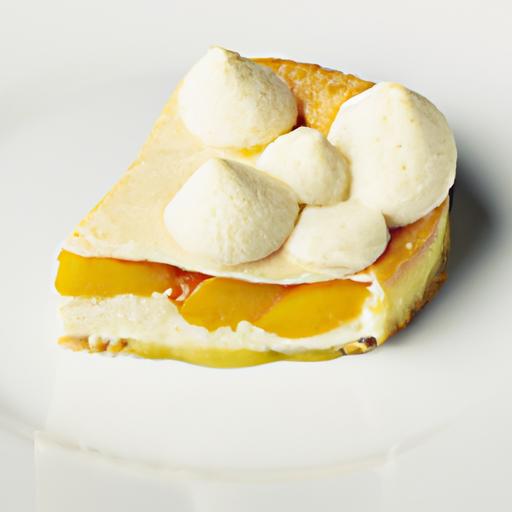

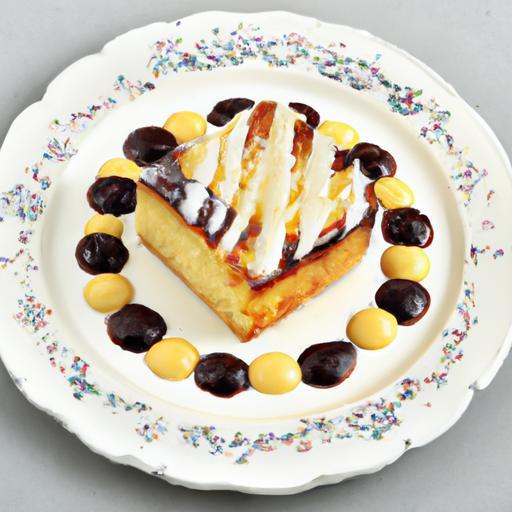
Nestled in the heart of Brittany, France, the Far Breton Custard Cake stands as a appetizing testament to rustic tradition and time-honored flavors. This understated yet enchanting dessert weaves together simple ingredients-flour, eggs, milk, sugar, and often plump prunes-into a custard so creamy it melts effortlessly on the tongue. More than just a cake, the Far Breton carries with it stories of countryside kitchens, family gatherings, and a culinary heritage that has captivated taste buds for generations. In this article, we’ll unveil the origins, secrets, and enduring charm of this timeless French delight, inviting you to discover how the humble Far Breton continues to enchant palates far beyond it’s Breton borders.
Far Breton Custard Cake is a beloved classic from the Brittany region of France, celebrated for its rustic charm and delectably caramelized exterior. this custard cake, steeped in centuries-old tradition, offers a perfect harmony of creamy texture and subtly sweet flavors, often studded with prunes or raisins that add a delightful contrast. Growing up in a household where French baking was a weekend ritual, I fondly remember the enchanting aroma that would fill the kitchen as my grandmother pulled a golden Far Breton from the oven-its cracking surface promising a comforting treat that transcended generations.
Origins and Cultural Importance of Far Breton Custard cake
The Far Breton Custard Cake hails from Brittany, a rugged coastal region in northwest France known for its hearty and straightforward cuisine. Traditionally, it was a simple dessert made with basic pantry staples-eggs, milk, sugar, and flour-reflecting the austere yet resourceful Breton lifestyle. The use of prunes or raisins was a way to incorporate dried fruit that lasted through harsh winters. Over time, Far Breton grew beyond a humble farmhouse dish into a celebrated delicacy enjoyed in cafés and boulangeries throughout France. It embodies more than flavor; it’s a taste of heritage and regional pride, making every bite a cultural experience.
In Brittany, sharing Far Breton during family gatherings or Sunday dinners symbolizes warmth, togetherness, and the joy of simple pleasures.
Key Ingredients and Flavor Profiles That Define This Classic Dessert
- Whole milk - The foundation of the custard’s creamy consistency.
- Eggs – Provide rich structure and silkiness.
- Sugar – balances the earthiness with delicate sweetness.
- All-purpose flour – Gives the custard cake its subtle density and body.
- Vanilla bean or extract – imparts fragrant warmth and depth.
- Dried prunes or raisins – Contribute fruity bursts that soak slightly in the custard, offering a tender chew and nuanced flavor contrast.
- Butter – Used to grease the baking dish, adding richness to the crust.
Together, these ingredients harmonize into a custard that is concurrently creamy, slightly firm, and tender in the center, with a pleasantly caramelized top and edges that provide a hint of toasted complexity.
Step by Step Guide to Perfecting Your Far Breton at Home
Mastering Far Breton Custard Cake at home is surprisingly straightforward but benefits from a few kitchen secrets to achieve the iconic texture and golden finish every time.
- Preheat your oven to 350°F (175°C) and generously butter a 9-inch (23 cm) round or rectangular baking dish.
- Soak the prunes or raisins in warm water for 10 minutes, then drain and pat dry. This prevents them from drying out during baking and encourages plumpness.
- In a large mixing bowl, whisk together 3 large eggs and 1 cup granulated sugar until the mixture is pale and slightly thickened, roughly 2-3 minutes by hand or with a hand mixer.
- Sift 1 cup all-purpose flour gently into the egg mixture. Slowly fold in to avoid lumps but do not overmix.
- Warm 2 ½ cups whole milk in a saucepan over medium heat just until it starts to steam. If using a vanilla bean, split it lengthwise and scrape the seeds into the milk before heating, then remove the pod.
- Gradually pour the warm milk into the batter, whisking continuously to create a smooth custard base.
- Fold in the drained dried fruit evenly to disperse throughout the batter.
- Pour the batter into the prepared dish and smooth the surface with a spatula.
- Bake for 45-55 minutes until the edges are deeply golden and the top is slightly cracked, indicating set custard, but the center should still have a slight wobble.
- Remove from oven and let cool to room temperature. the custard will firm up as it cools, perfect for slicing.
Expert Tips for Serving and Pairing far Breton with French Beverages
This custard cake is versatile-equally suited for dessert, afternoon tea, or breakfast. Serve it slightly chilled or at room temperature, cut into rustic squares or wedges. Garnish with a dusting of powdered sugar or a light spoonful of whipped cream to enhance its simplicity.
When it comes to beverages, Far Breton Custard Cake shines alongside iconic French drinks. Consider offering a cup of rich, aromatic French café au lait for a classic breakfast pairing, or a glass of chilled Brittany apple cider, whose luminous acidity and subtle effervescence balance the cake’s creamy texture beautifully.
For a non-alcoholic option, a carefully brewed black tea such as Darjeeling or Earl Gray complements the vanilla and caramel notes wonderfully.
Prep and Cook Time
- Prep Time: 15 minutes
- Soaking Time (fruit): 10 minutes
- Cook Time: 50 minutes
- Total Time: 1 hour 15 minutes
Yield
- Serves 8-10 people
Difficulty Level
- Medium – requires attention to texture and baking time but is accessible for home bakers
Ingredients
- 3 large eggs
- 1 cup granulated sugar
- 1 cup all-purpose flour, sifted
- 2 ½ cups whole milk
- 1 vanilla bean (or 1 tsp pure vanilla extract)
- 1 cup dried prunes or raisins
- Butter, for greasing the dish
Instructions
- Preheat oven to 350°F (175°C) and butter your baking dish thoroughly.
- Soak dried prunes or raisins in warm water for 10 minutes, then drain and dry.
- Whisk eggs and sugar until pale and thick.
- Gradually sift and fold flour into egg mixture without overmixing.
- Heat milk with vanilla bean seeds until steaming, remove pod.
- Slowly add warm milk to batter, whisking continuously for smooth custard.
- Fold in soaked dried fruit evenly.
- Pour batter into the buttered dish and smooth top.
- Bake for 45-55 minutes until golden and set (center slightly wobbly).
- Cool to room temperature before slicing.
Chef’s notes & tips for success
- Variations: Swap dried prunes for cherries or apricots for a fruitier profile. For a gluten-free version, substitute flour with almond flour, adjusting milk slightly.
- Custard texture: Aim for a custard that is set but tender in the center-you want a slight wobble when it comes out of the oven.
- Vanilla: Using real vanilla bean elevates the fragrance and flavor noticeably.
- Make-ahead: Far Breton tastes wonderful the next day, allowing flavors to deepen. Store covered in the fridge and serve chilled or lightly warmed.
- Caramelization: For an extra caramelized top, place under the broiler for 1-2 minutes at the end of baking-watch carefully to prevent burning.
Serving Suggestions
Present slices of this classic custard cake on simple white plates to highlight its golden crust. Garnish with a sprinkle of powdered sugar, a dollop of lightly whipped cream, or fresh berries for color and brightness. Pair with a steaming café au lait or a glass of crisp Brittany apple cider to honor the dessert’s French roots.

| Nutrient | per Serving (1 slice) |
|---|---|
| Calories | 250 kcal |
| Protein | 7 g |
| Carbohydrates | 35 g |
| Fat | 8 g |
For more on French custards and conventional pastries, explore our Classic French Custard Recipes collection. To understand more about the heritage of Far Breton, visit the Brittany ancient province page.
Q&A
Q&A: Far Breton custard Cake - A Timeless French Delight Unveiled
Q1: What is Far Breton Custard Cake,and where does it come from?
A1: Far Breton is a traditional custard cake originating from the Brittany region in northwest France. It’s a humble yet beloved dessert known for its creamy,custardy interior and slightly caramelized exterior,often studded with dried fruits like prunes or raisins.
Q2: What makes Far Breton different from other custard cakes or flans?
A2: Unlike typical custards or flans, Far Breton is thicker and more cake-like, combining the smoothness of custard with a denser, bread-like texture.its rustic charm comes from its simplicity and the gentle caramelization that forms during baking.
Q3: What are the core ingredients in a traditional Far Breton?
A3: At its heart, far Breton is made with simple pantry staples: flour, eggs, sugar, milk, and a touch of vanilla. Traditionally, dried prunes or raisins soak up some of the custard, adding bursts of sweetness and chewiness.
Q4: Can Far Breton be made without dried fruits?
A4: Absolutely! While dried prunes or raisins are classic, you can enjoy an unadorned far Breton to appreciate its pure custard flavor, or experiment with other dried fruits like apricots or cherries, keeping in mind the cake’s rustic heritage.
Q5: How is Far Breton typically served and enjoyed?
A5: Far Breton is best served at room temperature or slightly warmed. It’s perfect alongside a cup of strong coffee or tea, making it a delightful treat for breakfast, afternoon tea, or dessert.
Q6: What tips can help achieve the perfect texture in Far Breton?
A6: Achieving the ideal texture involves a gentle balance: whisk eggs and sugar until creamy, then slowly incorporate the flour and milk to avoid lumps. Baking at a moderate temperature allows the custard to set evenly without drying out, creating that signature smooth yet firm crumb.
Q7: Is Far breton a arduous cake to bake?
A7: Surprisingly, no! Far Breton’s straightforward recipe and forgiving nature make it ideal for both novice and seasoned bakers. Its rustic appearance is part of its charm-no need for perfect edges or an even surface.
Q8: What is the historical or cultural significance of Far Breton in Brittany?
A8: Far Breton has long been a staple in Breton households, reflecting the region’s agricultural roots and love for simple, hearty foods. Passed down through generations, it embodies comfort and tradition, frequently enough shared during family gatherings and local festivities.
Q9: Can Far Breton be prepared in advance?
A9: Yes, Far Breton actually benefits from resting overnight! This allows the flavors to meld and the custard to firm up, making it easier to slice and enhancing its taste.
Q10: are there any creative twists or variations on the traditional Far Breton recipe?
A10: certainly! Modern bakers sometimes add citrus zest, a splash of almond extract, or use coconut milk for a dairy-free twist. Some like to layer seasonal fruits or nuts, adding new textures while staying true to the dessert’s custardy soul.
Q11: How should leftover Far Breton be stored?
A11: Store Far Breton in an airtight container in the refrigerator for up to 3-4 days. Before serving, you can enjoy it chilled or gently warm slices in the oven or microwave for that freshly baked feel.
Q12: can Far Breton be gluten-free?
A12: With some adaptations, yes! Substituting traditional wheat flour with gluten-free alternatives like rice flour or a blend designed for baking can create a gluten-free version. Keep in mind that texture may vary slightly but the essence remains delicious.
To Conclude
As the final slice of Far Breton custard cake graces your palate, you become part of a centuries-old tradition-a culinary tale woven through the misty hills of Brittany and the bustling cafés of France. This timeless delight,with its silky custard and subtle hints of caramelized fruit,invites you to savor not just a dessert,but a story steeped in heritage and simple pleasures. Whether enjoyed as a comforting treat or an elegant finale to a meal, the Far Breton custard cake remains an enduring symbol of French patisserie artistry, forever ready to unveil its rich flavors to those eager to explore beyond the ordinary.