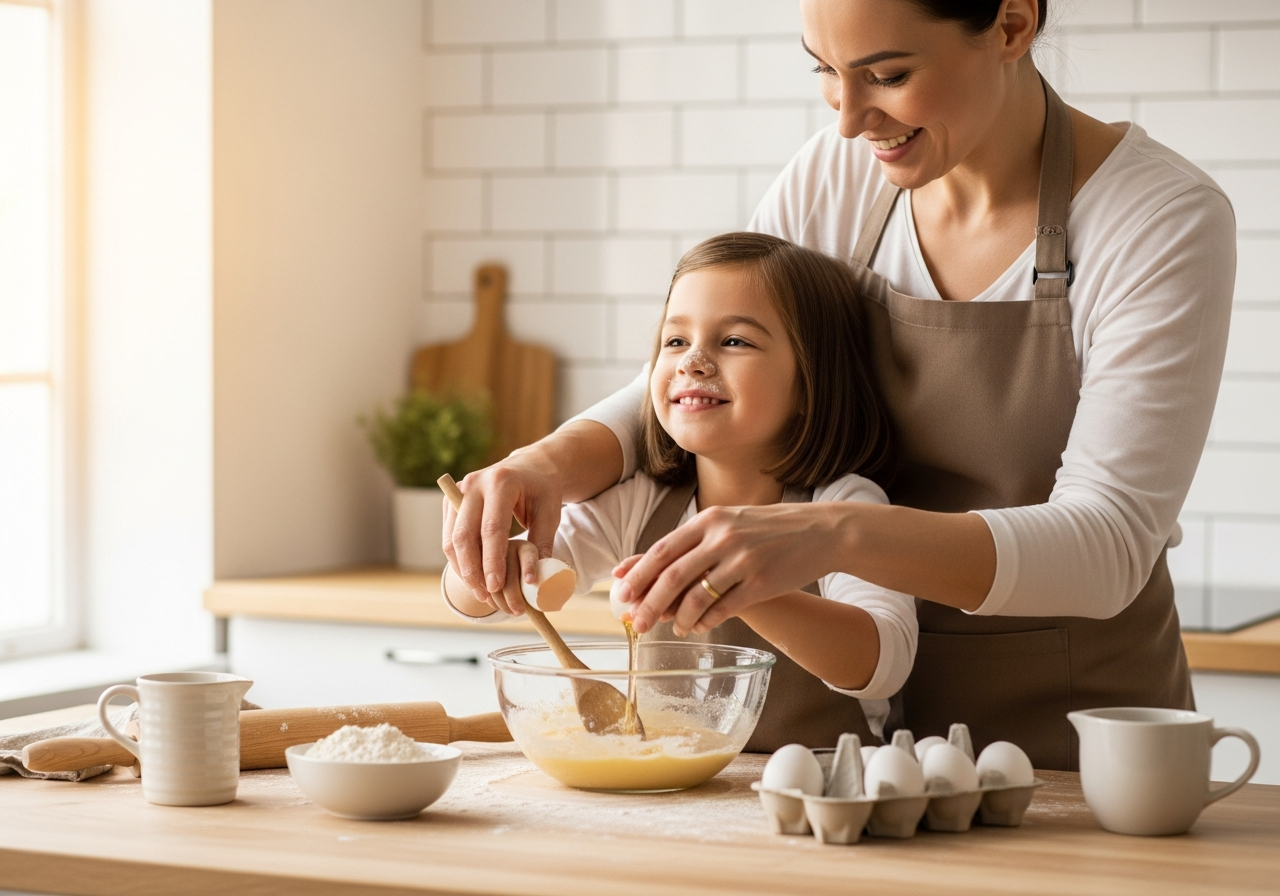


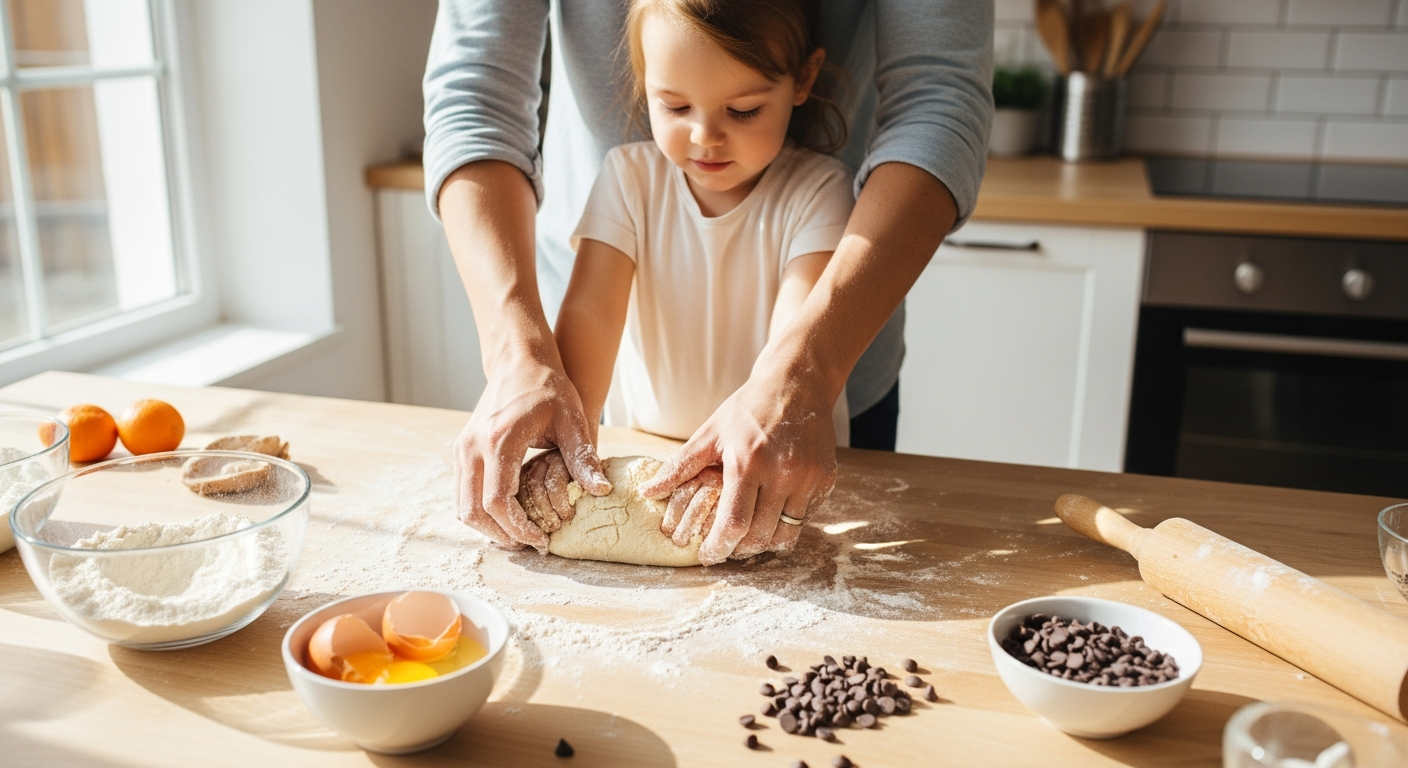
In the warm hum of a kitchen, where laughter mingles with the sizzle of ingredients and the aroma of spices, something magical happens-bonds are whisked together as effortlessly as batter in a bowl.”Whisking Bonds: Fun and Tasty Parent-Child Cooking Moments” explores the delightful world where culinary creativity meets family connection. Beyond the recipes and measured cups, cooking with children becomes a canvas for shared stories, hands-on learning, and priceless memories. this article invites you to step into the heart of the home, discovering how simple kitchen adventures can stir not only delicious dishes but also lasting relationships.
Whisking bonds come alive in the most delightful way within the warmth of your kitchen, where stirring spoons and shared laughter create memories more lasting than any recipe alone. Today’s kid-friendly culinary adventure invites both young and seasoned chefs to dive into creativity and confidence, forging moments that nurture life skills and strengthen family ties one tasty bite at a time.
Prep and Cook Time
- Preparation: 15 minutes
- Cooking: 20 minutes
- Total: 35 minutes
Yield
Serves 4 eager food adventurers
Difficulty Level
Easy: perfect for young cooks and beginners with parental guidance
Ingredients
- 1 ½ cups all-purpose flour, sifted
- 1 tablespoon baking powder
- ¼ teaspoon salt
- 1 cup whole milk (or plant-based option)
- 1 large egg
- 2 tablespoons unsalted butter, melted (plus extra for greasing)
- 2 tablespoons honey or maple syrup
- 1 teaspoon pure vanilla extract
- 1 cup fresh blueberries (or seasonal berries)
- Optional toppings: Greek yogurt, sliced bananas, nuts, or a dusting of powdered sugar
Instructions
- Prepare the batter: In a large mixing bowl, whisk together the flour, baking powder, and salt. this is a great moment for kids to practice measuring and combining dry ingredients.
- Mix wet ingredients: In a smaller bowl,beat the egg,milk,melted butter,honey, and vanilla extract until smooth. Encourage young chefs to use a whisk and explore the silky texture.
- combine gently: Pour the wet ingredients into the dry and stir with a spatula just until combined; lumps are welcome to keep pancakes fluffy! fold in the fresh blueberries thoughtfully to add bursts of sweetness in every bite.
- Heat and grease: warm a non-stick skillet or griddle over medium heat and brush lightly with melted butter. Use a child-safe brush and let kids apply the butter for tactile fun.
- Cook pancakes: Scoop about ¼ cup of batter per pancake onto the skillet. Sauté until bubbles form and edges firm up, about 2-3 minutes. Flip carefully (an adult or older child can assist), cooking the second side 1-2 minutes until golden brown.
- Plate and repeat: Transfer cooked pancakes to a warm plate, cover loosely with foil to keep warm, and continue until all batter is used. Encourage kids to count pancakes or arrange stacks creatively.
Tips for Success
- Variation for picky eaters: swap blueberries with chocolate chips or diced apples for flavor twists that keep curiosity alive.
- Safe skills: Assign chopping or stirring tasks based on age-using plastic knives for fruit or gentle mixing helps build confidence safely.
- Consistency check: if batter feels too thick, gently add milk a tablespoon at a time to reach smooth, pourable consistency.
- make-ahead: Batter can be prepared up to 2 hours in advance; keep covered in the fridge and stir gently before cooking.
- Kitchen safety: Always supervise around hot pans, and allow children to wear aprons and use oven mitts for engagement and protection.
Serving Suggestions
Presentation creativity makes sharing even sweeter. Stack pancakes tall and drizzle with honey or maple syrup, then add a dollop of Greek yogurt on top. Sprinkle sliced bananas and walnuts for crunchy contrast, and lightly dust with powdered sugar to finish. Serve with a colorful array of fruit for a cheerful, nutritious spread.

| Nutrient | Per Serving |
|---|---|
| Calories | 280 kcal |
| Protein | 7 g |
| Carbohydrates | 40 g |
| Fat | 8 g |
Encouraging Whisking Bonds Across Generations
As the batter blends and pancakes fluff, whisking bonds strengthen, allowing children to savor not only flavors but the joy of shared milestones. every flipped pancake and tasting moment builds creativity, sparkles confidence, and fosters cherished memories-one meal at a time.
For more engaging parent-child recipes that build skills and smiles, explore our Family-Friendly Recipes Collection. Additionally, learn about the benefits of cooking with kids from trusted sources like BabyCenter’s guide on cooking with children to enhance your culinary adventure safely and joyfully.
Q&A
Q&A: Whisking bonds: Fun and Tasty Parent-child Cooking Moments
Q1: Why is cooking together such a special activity for parents and children?
A1: Cooking side by side is more than just preparing food-it’s crafting memories. The shared focus,the laughter over spills,and the joy in creating something edible build an unbreakable bridge between generations. It turns a simple kitchen into a playground of discovery,where trust and teamwork rise just like the batter in the mixing bowl.
Q2: How can cooking with kids encourage creativity?
A2: When children see ingredients as colors, textures, and flavors waiting to be combined, their inventiveness takes flight. From decorating cupcakes with swirls of frosting to mixing unexpected fruits into a smoothie, cooking invites kids to experiment boldly. This sensory playground sparks their innovative spirit and makes each dish a delicious masterpiece of their own making.
Q3: What are some easy recipes perfect for parent-child cooking sessions?
A3: Think of recipes as culinary adventures that are simple, mess-friendly, and quick to delight. Classics like homemade fruit popsicles, colorful veggie wraps, or no-bake granola bars provide hands-on fun without long waits. These starters not only teach basic kitchen skills but also reward young chefs with smiles and satisfied taste buds.
Q4: How does cooking together contribute to a child’s development?
A4: Beyond tasty results, cooking is a fantastic workout for young minds and hands. It enhances fine motor skills through stirring and chopping, bolsters math abilities by measuring ingredients, and improves language through recipe reading and conversation. Plus,it nurtures patience and focus-qualities that simmer well beyond the kitchen walls.
Q5: What tips can make cooking with kids more enjoyable and less stressful?
A5: Embrace the mess as part of the magic! Set up the kitchen with all ingredients prepped and within reach. Choose age-appropriate tasks-rolling dough, washing veggies, or arranging toppings-to keep little hands busy and confident. Most importantly, keep the mood light: celebrate small wins, laugh at spills, and savor the experience more than perfection.
Q6: How can parents include children in meal planning?
A6: Inviting kids to help brainstorm meals turns them into active participants rather than passive observers. Browse colorful cookbooks together or explore seasonal produce at the market, asking what excites their taste buds. This involvement sparks ownership and curiosity, making family dinners something everyone eagerly anticipates.
Q7: Are there cultural or educational benefits to cooking together?
A7: Absolutely! Sharing recipes from different cultures broadens children’s worldviews and respect for diversity. It’s a delicious way to tell stories, celebrate traditions, and understand global flavors. Cooking becomes a lively classroom where culture and history are learned bite by bite.
Q8: How can parents use cooking moments to teach about healthy eating?
A8: Cooking is the perfect stage to introduce vibrant fruits, crunchy veggies, and wholesome grains. Parents can gently guide children to appreciate natural flavors and the joy of fresh ingredients. Encouraging kids to taste-test and talk about textures plants a seed of mindful eating that blossoms into lifelong healthy habits.
Q9: What kitchen tools are great for little chefs to use safely?
A9: safe, kid-friendly tools like blunt-tipped knives, vegetable peelers designed for small hands, plastic measuring cups, and silicone spatulas empower children to participate actively. Colorful aprons and fun timers add flair and structure to the activity. These tools transform the kitchen into a confident and safe cooking zone.
Q10: How can families keep the cooking tradition alive beyond the kitchen?
A10: Turn cooking memories into stories, photo albums, or personalized recipe books. Encourage kids to teach a friend or a sibling what they’ve learned.Celebrate milestones with new recipes or themed cooking days.By weaving cooking into family rituals, the joy of shared meals and moments becomes a treasured legacy-a bond whisked forever into the heart.
Future Outlook
As the final sprinkle of cinnamon settles and the last spoonful is savored, it’s clear that these shared kitchen adventures offer more than just delicious treats. Whisking together, measuring, and tasting become moments where laughter blends with learning, and bonds are strengthened with every bite.In the whirl of mixing bowls and happy chatter,parents and children don’t just create meals-they craft memories that nourish both body and heart. So next time you tie those aprons and roll up your sleeves,remember: the true recipe for connection is found in the joy of cooking side by side.