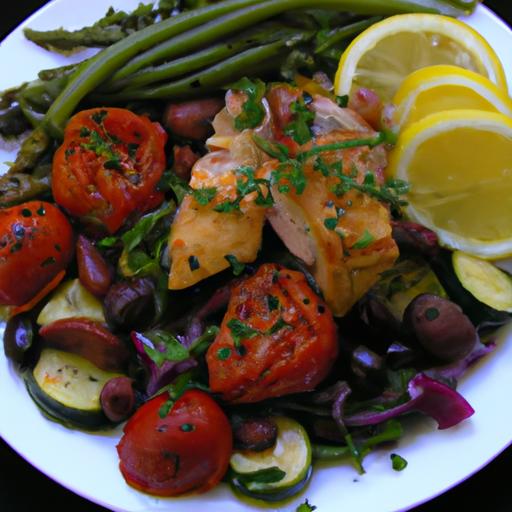


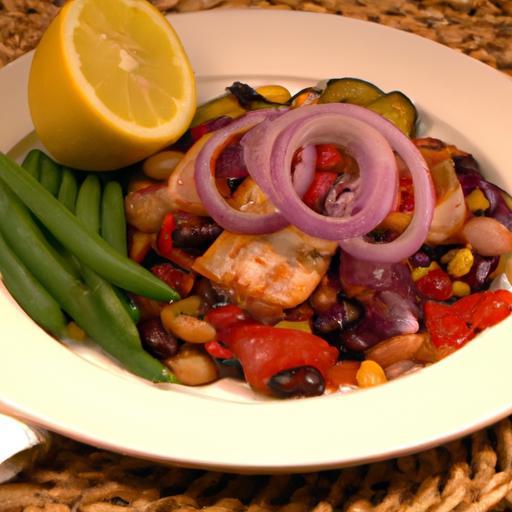
Nestled in the heart of Provence, Niçoise Ratatouille is far more than just a vegetable stew-it is a vibrant celebration of Mediterranean sunshine, rich history, and rustic simplicity. This classic dish, brimming with summer’s freshest bounty, captures the essence of French culinary tradition in every colorful bite. mastering Niçoise Ratatouille means unlocking a tapestry of flavors where tender zucchini, ripe tomatoes, fragrant herbs, and sweet bell peppers harmonize to tell a story centuries in the making. In this flavorful guide, we’ll journey through the origins, essential ingredients, and time-honored techniques that transform humble garden vegetables into an iconic masterpiece-inviting you to bring the soul of the south of France to your own kitchen.
Mastering Niçoise Ratatouille means diving into the heart of French Provençal cuisine where simplicity meets vibrant, sun-soaked flavors. This iconic vegetable medley, rooted in the coastal city of Nice, is a celebration of fresh Mediterranean produce, slowly simmered and enticingly layered to form a mosaic of taste and texture. It’s a dish that tells the story of tradition, summer harvests, and rustic elegance all in one pan. I vividly recall my first encounter with Niçoise Ratatouille at a quaint bistro in the South of France-each bite bursting with tender zucchini, aromatic tomatoes, and fragrant herbs, compelling me to recreate and master this beloved recipe in my own kitchen.
Prep and Cook Time
- Preparation: 25 minutes
- cooking: 1 hour 15 minutes
- Total Time: 1 hour 40 minutes
Yield
Serves 6 as a hearty side dish or 4 as a light main course.
Difficulty Level
Medium - Great for home cooks ready to embrace slow-simmering techniques and precise vegetable preparation.
Ingredients
- 3 medium zucchini, sliced into 1/4-inch rounds
- 3 medium eggplants, sliced into 1/4-inch rounds
- 6 ripe tomatoes, peeled, seeded, and thinly sliced
- 1 large red bell pepper, deseeded and thinly sliced
- 1 large yellow bell pepper, deseeded and thinly sliced
- 1 large onion, finely chopped
- 4 garlic cloves, minced
- 1/4 cup extra virgin olive oil, plus more for drizzling
- 1 teaspoon dried Herbes de Provence
- Fresh thyme sprigs (to garnish)
- Salt and freshly ground black pepper, to taste
- Fresh basil leaves, roughly chopped
Step-by-Step Instructions
- Prepare the ingredients: Begin by washing all vegetables thoroughly. Cut the zucchini and eggplant into uniform 1/4-inch rounds for even cooking and visual harmony. Peel and seed the tomatoes before slicing to avoid excess moisture.
- Sauté the aromatics: Heat 2 tablespoons of olive oil in a large skillet over medium heat. add the chopped onion and sauté until it softens and turns translucent, about 5 minutes. Stir in the minced garlic and cook for an additional minute, releasing its fragrant aroma without burning.
- Slowly cook the eggplant and zucchini: In batches, add the eggplant slices to the skillet, cooking until just golden on both sides, about 3 minutes per side. Transfer to a paper towel-lined plate to absorb excess oil.Repeat with zucchini slices using the remaining olive oil.
- Create the tomato base: In a deep, heavy-bottomed pan, heat a drizzle of olive oil and spread the sautéed onion and garlic evenly on the bottom. Lay the peeled tomato slices evenly over the aromatics, seasoning with salt, pepper, and the Herbes de Provence.
- Layer the vegetables: Arrange the eggplant, zucchini, red and yellow bell pepper slices over the tomato base in an alternating, circular pattern, slightly overlapping each piece.This layering technique not only looks stunning but ensures even cooking and balanced flavour integration.
- Season and drizzle: Sprinkle a bit more salt, fresh cracked pepper, and drizzle olive oil generously over the layered vegetables. Cover the pan tightly with a lid or foil.
- Simmer gently: Cook on low heat for 45-50 minutes. Check occasionally, allowing the vegetables to sweat and meld together without boiling aggressively. This slow layering technique softens the vegetables while preserving their individual textures.
- Finish with fresh herbs: Remove the lid and scatter chopped basil and fresh thyme sprigs on top. Let it rest for 10 minutes before serving to deepen the flavor harmony.
Tips for Success
- Select seasonal, ripe produce for the most authentic Niçoise Ratatouille flavor profile; avoid out-of-season vegetables that may be too watery or bland.
- Uniform slicing is crucial to ensure even cooking and a visually appealing presentation that honors the dish’s rustic roots.
- Pat dry eggplant slices before frying to reduce bitterness and absorbance of oil.
- Use a heavy-bottomed pan with a tight-fitting lid to maintain moisture and cook the vegetables slowly without burning.
- Make ahead: Niçoise Ratatouille only improves after resting overnight in the refrigerator, allowing flavors to meld. Reheat gently on low heat.
- For texture contrast, serve with crusty artisan bread or a side of fluffy couscous.
Serving Suggestions to Elevate Your Meal
For an inviting presentation, serve Niçoise Ratatouille warm or at room temperature on a wide, shallow dish to showcase the colorful layers. Garnish with freshly torn basil leaves, a dusting of black pepper, and a light drizzle of high-quality extra virgin olive oil. Pair this vegetable masterpiece with a simple green salad dressed in lemon vinaigrette or alongside grains such as quinoa or farro.
To add a protein component without overshadowing the vegetable harmony, consider topping the dish with pan-seared fish like sea bass or grilled chicken breast seasoned with Mediterranean herbs. A crisp, mineral-forward white wine (see Wine Enthusiast) will accentuate the freshness and aromatic herbs rather than overpowering the nuanced flavors.

| Nutrient | Per Serving |
|---|---|
| Calories | 160 kcal |
| Protein | 3g |
| Carbohydrates | 18g |
| Fat | 9g |
For more provençal inspiration, explore our article on classic Provençal Herb Blends to complement your Niçoise Ratatouille perfectly.
Q&A
Q&A: Mastering Niçoise ratatouille – A Flavorful Guide to Tradition
Q1: what makes Niçoise Ratatouille different from other types of ratatouille?
A1: Niçoise Ratatouille is deeply rooted in the culinary traditions of Nice, a sun-kissed town on the French Riviera. Unlike generic ratatouille recipes, Niçoise Ratatouille emphasizes the freshest, locally grown vegetables-like zucchini, eggplant, tomatoes, and bell peppers-cooked slowly to develop an intricate balance of sweet, tangy, and earthy flavors. The key lies not just in the ingredients,but in the technique: slow simmering allows each vegetable to shine,creating a harmonious medley reminiscent of the Mediterranean breeze.
Q2: Which vegetables are essential for an authentic Niçoise Ratatouille?
A2: At the heart of Niçoise Ratatouille are five classic vegetables: eggplant,zucchini,bell peppers (often a mix of red and green),ripe tomatoes,and onions. Adding garlic and fresh herbs like thyme, bay leaf, and basil perfects the flavor profile.Each vegetable is typically sautéed separately before being gently combined, allowing their distinct tastes and textures to remain intact within the stew.
Q3: How does the cooking process enhance the flavors in Niçoise Ratatouille?
A3: Patience is the secret ingredient. Vegetables are cooked individually to coax out their unique flavors and prevent them from becoming mushy. After sautéing, they’re layered and simmered slowly, letting their juices mingle and intensify. This method maintains the vibrancy of each vegetable while creating a luscious, unified dish bursting with Mediterranean sunshine.
Q4: Can Niçoise Ratatouille be served in different ways?
A4: Absolutely! Niçoise Ratatouille is incredibly versatile. Traditionally, it’s served warm as a main or side dish alongside crusty bread or polenta. It’s also fantastic chilled or at room temperature, making it perfect for picnics or light lunches. Some love to pair it with grilled fish or a hearty bean salad to round out a wholesome meal.
Q5: What are some tips to achieve the perfect texture in niçoise Ratatouille?
A5: To preserve texture,slice vegetables uniformly-a thickness of about half a centimeter works well. Avoid overcrowding the skillet when sautéing; this ensures even cooking and caramelization. Stir gently to keep veggies intact rather than turning to mush. a slow simmer with the lid off allows excess moisture to evaporate, concentrating flavors and giving the dish a luscious, stew-like consistency without losing bite.
Q6: How important are fresh herbs in Niçoise Ratatouille, and which ones are best?
A6: Fresh herbs are essential-they elevate the aromatic profile and bring brightness that balances the sweet caramelization of the veggies. Classic choices include thyme, bay leaf, basil, and sometimes a touch of rosemary. Adding herbs during the simmering process allows their flavors to infuse gently, while finishing with fresh basil or parsley adds a burst of green freshness.
Q7: Is Niçoise Ratatouille suitable for vegetarian or vegan diets?
A7: Completely! Niçoise ratatouille is naturally plant-based-celebrating the bounty of summer vegetables-and requires no animal products. this makes it a vibrant, nutritious choice for vegetarians and vegans craving a dish that’s both hearty and light, packed with color and flavor.
Q8: How can someone bring a bit of Niçoise tradition into their kitchen without access to local Mediterranean produce?
A8: Seek out the freshest vegetables you can find, focusing on the core ingredients: eggplant, zucchini, bell peppers, tomatoes, and onions. Even if they aren’t from Provence, quality produce makes a world of difference. Emulating the authentic technique-slow, thoughtful cooking and layering flavors-is more important than origin. Adding dried herbs in a pinch can work, though fresh is best, and don’t be afraid to experiment with local herb varieties to create your own twist on this timeless dish.
Q9: What mistakes should be avoided when making Niçoise Ratatouille?
A9: Rushing the cooking or tossing all the vegetables into the pan at once are common pitfalls. This leads to uneven cooking and a mushy texture. Over-salting early on can draw out too much water, diluting the concentrated flavors. Lastly, skipping the step of sautéing vegetables separately misses the prospect to deepen individual flavors and control texture.
Q10: Can Niçoise Ratatouille be made ahead of time?
A10: Yes! Like many stews and braised dishes, Niçoise Ratatouille tastes even better the next day, once the flavors have melded fully. Store it in an airtight container in the fridge for up to 3-4 days, then reheat gently to keep the textures intact. It also freezes well, making it a convenient, flavor-packed meal to enjoy anytime.
With these insights, mastering Niçoise Ratatouille becomes a joyful journey through tradition, texture, and tantalizing Mediterranean flavors-all without complexity, just pure, sun-drenched vegetable goodness.Bon appétit!
The conclusion
As the vibrant colors of Niçoise Ratatouille settle into a harmonious blend of flavors on your palate, you realize that this dish is much more than a recipe-it’s a celebration of tradition, patience, and the sun-soaked essence of southern France.
Mastering this culinary classic invites you not only to savor its rich,layered tastes but also to connect with a cultural heritage that honors simplicity and quality ingredients. Whether you’re a seasoned chef or a kitchen novice, embracing the art of Niçoise Ratatouille transforms everyday ingredients into a timeless masterpiece, reminding us all that true flavor is born from care, respect, and a touch of Mediterranean magic. So, take up your wooden spoon, embrace the slow dance of simmering vegetables, and let your kitchen become the birthplace of this irresistible tradition. Bon appétit!