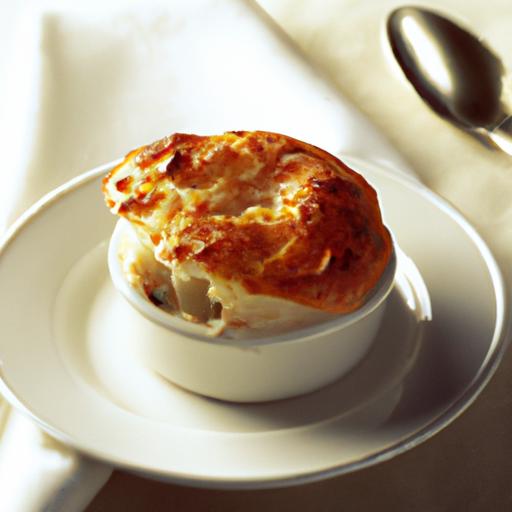


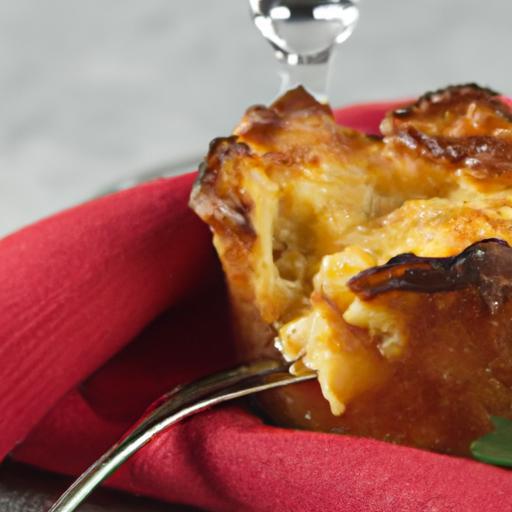
There’s a certain magic in the kitchen when a simple mixture defies gravity, rising with airy elegance to become a masterpiece of texture and flavor.
Welcome to the world of the cheese soufflé-a dish as enchanting as it is elusive, where technique meets artistry in a delicate dance of air and heat. In “Whisking Wonder: Mastering the Art of Light Cheese soufflé,” we unravel the secrets behind this classic French marvel, guiding you step-by-step through the whisked whites, bubbling cheese, and tender rise that transform humble ingredients into a glorious, cloud-like creation. Whether you’re a seasoned cook seeking to refine yoru soufflé skills or a curious novice ready to conquer the culinary pinnacle of fluff, this article invites you to embrace the science and soul behind one of gastronomy’s most celebrated feats.
Whisking Wonder: Mastering the Art of Light Cheese Soufflé begins with understanding the delicate nature of egg whites and the symphony of flavors that cheese brings. This classic French dish, renowned for its airy lift and luxurious texture, transforms simple ingredients into an impressive culinary masterpiece. My first encounter with cheese soufflé was at a quaint Parisian bistro, where its fluffy elevation seemed almost magical-this inspired me to perfect the technique and share it with home cooks seeking that same wonder.
Prep and Cook Time
- Planning: 20 minutes
- Cooking: 30 minutes
- Total: 50 minutes
yield
serves 4 elegantly.
Difficulty Level
Medium – a rewarding challenge for enthusiasts eager to hone their whisking skills.
Ingredients
- 4 large egg whites, at room temperature
- 3 large egg yolks
- 1 cup whole milk
- 3 tablespoons unsalted butter, softened
- 3 tablespoons all-purpose flour, sifted
- 1 cup grated Gruyère cheese (or a blend of Gruyère and Parmesan for depth)
- ¼ teaspoon cream of tartar (to stabilize the egg whites)
- ½ teaspoon kosher salt
- Freshly ground black pepper, to taste
- A pinch of freshly grated nutmeg
instructions
- Prepare the ramekins: Butter four 1-cup ramekins generously, then dust with finely grated Parmesan to prevent sticking and aid rise. Chill in the fridge while preparing the batter.
- Make the béchamel base: In a medium saucepan over medium heat, melt butter until foaming but not browned. Whisk in flour and cook for 2 minutes to form a roux, stirring constantly to avoid browning.
- Gradually whisk in warm milk,maintaining a smooth texture. Cook, whisking, until thickened, about 3-4 minutes. Remove from heat and stir in kosher salt, pepper, and nutmeg.
- Immediately whisk in the egg yolks one at a time to incorporate fully. Fold in the grated cheese while the sauce is still warm but not hot enough to scramble the yolks.
- Whip the egg whites: In a spotless, dry bowl, add the egg whites and cream of tartar. Using an electric mixer, whisk until soft peaks form. Gradually add a pinch of salt and continue whipping until stiff but glossy peaks appear-do not overbeat.
- Fold whites into the cheese base: Add about one-third of the whipped egg whites to the cheese béchamel, stirring gently to lighten the mixture. Then carefully fold in the remaining whites with a large spatula, using a gentle sweeping motion to preserve air bubbles and ensure maximum lift.
- Fill the ramekins: Spoon the mixture evenly into the prepared ramekins, filling nearly to the top but leaving a slight gap for rise.
- Bake: Place ramekins in a preheated water bath (bain-marie) in a 350°F (175°C) oven. Bake for 25-30 minutes, until the soufflés have risen beautifully and the tops are golden and set but still slightly jiggly in the center.
- Serve immediately: The soufflé will begin to deflate quickly after removal, so present it straight from the oven for maximum visual and textural impact.
Tips for Success
- Room temperature eggs whip better, creating a more stable meringue.
- Ensure no egg yolk gets into the whites when separating; even a trace of fat can hinder volume.
- Use a flour-sifted roux to avoid lumps in the béchamel base.
- If unsure, pre-grate cheeses and measure precisely to balance flavor and texture.
- Water bath baking prevents cracking and encourages even cooking.
- For a dairy-free twist, substitute whole milk with unsweetened oat or almond milk, and use a vegan cheese alternative.
- Make the batter up to 1 hour ahead; store covered in the fridge and gently fold the egg whites just before baking.
Serving Suggestions to Impress and Enhance the Experience
Present your cheese soufflé on a rustic wooden board or a sleek white platter to emphasize its golden crown and delicate texture. Garnish with a sprinkle of finely chopped fresh herbs like chives or tarragon for a fresh contrast and visual pop. Serve alongside a crisp, peppery arugula salad dressed in lemon vinaigrette to cut through the richness.
For an extra touch of elegance, place small ramekins of fleur de sel and cracked black pepper on the table, inviting guests to season to taste. A light, chilled sparkling water with lemon or a non-alcoholic aperitif will cleanse the palate beautifully.
This dish’s ethereal texture and balanced cheesy essence make it a stunning starter or a delicate main paired with seasonal steamed vegetables.
| Nutrient | Per Serving |
|---|---|
| Calories | 280 kcal |
| Protein | 18 g |
| Carbohydrates | 12 g |
| Fat | 18 g |
Learn more about soufflé techniques from a culinary authority.
For a deeper dive into cheese pairings and savory soufflé varieties, explore our Cheese Pairing Guide to elevate your flavor combinations further.

Q&A
Q&A: whisking Wonder: Mastering the Art of Light Cheese Soufflé
Q1: What makes a cheese soufflé “light” and fluffy rather of dense?
A1: The secret lies in the air incorporated into the egg whites. Whisking egg whites to stiff peaks creates tiny air pockets that expand under heat, giving the soufflé its ethereal lift. Gentle folding of the cheese mixture into the whipped whites ensures the airy texture remains intact,producing that iconic cloud-like rise.
Q2: Which types of cheese work best for a soufflé?
A2: Medium to sharp cheeses with good melting qualities shine in soufflés. Classic choices include Gruyère for its nutty complexity, aged cheddar for a bold tang, or Emmental for a mellow creaminess.The key is a cheese that melts smoothly without becoming oily,enhancing both flavor and texture.
Q3: How important is the timing when serving a soufflé?
A3: Timing is everything! Soufflés are best enjoyed fresh from the oven, as they begin to deflate within minutes. Serve immediately to capture that dramatic puff and delightfully airy bite. Planning ahead and setting the table before the final bake helps you present it at its peak.
Q4: Can I prepare the soufflé base ahead of time?
A4: absolutely! You can prepare the cheese sauce and egg yolk mixture a few hours ahead and keep it chilled. Whisking the egg whites to stiff peaks is best done just before baking to maintain maximum volume and lift, ensuring your soufflé rises beautifully.
Q5: What’s the best way to fold the cheese mixture into the egg whites?
A5: Use a gentle hand and a large rubber spatula.Start by adding a small portion of whipped egg whites into the cheese base to lighten it, then carefully fold in the rest in batches. The motion shoudl be slow and deliberate-think of turning the mixture over itself-preserving the air bubbles vital for rising.
Q6: are soufflés tough to master for a beginner cook?
A6: While soufflés have a reputation for being challenging, the technique is more approachable than it seems. Patience with whipping egg whites and attention to folding can turn your kitchen into a soufflé sanctuary. Every attempt builds confidence toward achieving that stunning rise and melt-in-your-mouth texture.
Q7: How can I prevent my soufflé from collapsing before it reaches the table?
A7: Serving immediately after baking is key. Additionally, avoid opening the oven during baking, as sudden temperature changes can cause deflation. Using a well-buttered and sugared or grated-cheese-coated ramekin helps soufflés cling to the sides and climb upward, supporting a steady rise.
Q8: Can I experiment with herbs and spices in my cheese soufflé?
A8: Certainly! Fresh herbs like chives, thyme, or tarragon can add whisper-light notes of flavor. A pinch of nutmeg adds warmth,while a touch of black pepper introduces subtle spice without overshadowing the cheese. Balance is essential-enhance but don’t overpower.
Q9: What is an ideal temperature for baking a cheese soufflé?
A9: A moderately hot oven,typically around 375°F (190°C),provides a steamy environment that encourages steady rise and golden-brown tops. Too hot, and it may rise too fast and collapse; too cool, and the soufflé won’t lift properly.
Q10: How can I make my soufflé visually impressive?
A10: Presentation is part of the magic! Use straight-sided ramekins for a tall, elegant shape. dust the rims with grated cheese or breadcrumbs for texture and grip. Once baked,serve on a plate with a sprinkle of fresh herbs for color contrast-turning each dish into an edible masterpiece.
To Wrap It Up
As you close the oven door and peek at your perfectly risen cheese soufflé, remember that this delicate dish is as much about patience and technique as it is indeed about passion. Mastering the art of the light cheese soufflé is a journey-one that transforms simple ingredients into a cloud of savory delight. With each whisk and fold, you’re not just cooking; you’re crafting an experience that celebrates the magic of culinary finesse. so, embrace the whisk, trust the process, and let your kitchen become a playground where science meets artistry in the most delicious way. Here’s to many more soufflé victories-light, airy, and utterly unforgettable.