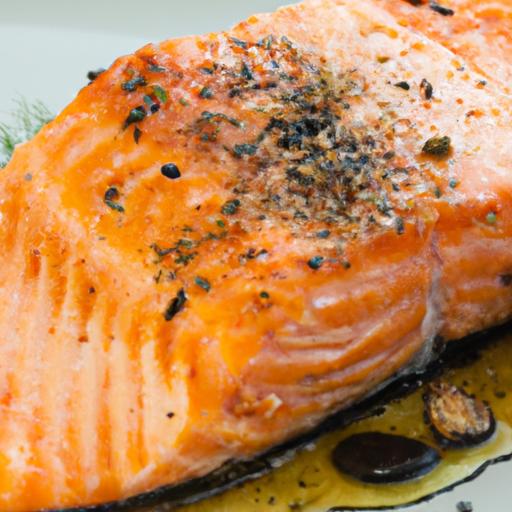


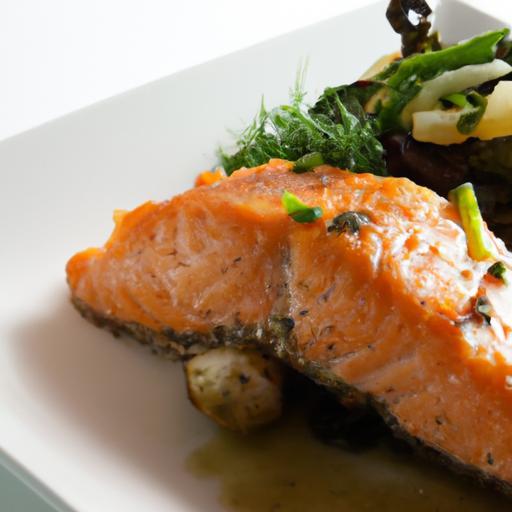
Ther’s something undeniably captivating about a whole roasted salmon-its glistening, golden skin promising a crispy, flavorful bite, while the tender, flaky flesh beneath whispers of ocean-fresh delight. mastering this culinary centerpiece is not just about cooking fish; it’s an art form that transforms a humble ingredient into a stunning feast.Whether you’re hosting an elegant dinner or seeking a show-stopping meal for family and friends, knowing how to perfectly roast a whole salmon can elevate your kitchen prowess to new heights.In this complete guide, we’ll dive into everything from selecting the freshest catch to mastering seasoning, roasting techniques, and presentation tips-arming you with the expertise to create a memorable, mouthwatering masterpiece every time.
Mastering the Art of Whole Roasted Salmon begins with selecting the freshest fish available, ensuring you highlight the natural flavors that make this dish truly exceptional. Whether sourced from a trusted local fishmonger or a sustainable supplier online,a pristine whole salmon lays the foundation for a memorable meal that’s both remarkable and deeply satisfying.
Prep and Cook Time
- Preparation: 20 minutes
- Roasting: 35-45 minutes (depending on size)
- Total Time: 55-65 minutes
Yield
Serves 6-8 guests
Difficulty level
Medium - perfect for home cooks ready to elevate their seafood repertoire
ingredients
- 1 whole salmon (4-5 lbs), cleaned and scaled, head on
- 2 lemons, sliced thin
- 4 garlic cloves, finely minced
- 1 cup fresh dill, chopped
- 1 cup fresh parsley, chopped
- 3 tbsp olive oil
- 1 tbsp sea salt
- 2 tsp freshly ground black pepper
- Optional: 1 tsp smoked paprika for subtle smokiness
- Fresh herbs (thyme, rosemary) for stuffing
- Kitchen twine to secure fish if needed
Instructions
- Inspect the salmon carefully for signs of freshness – bright, clear eyes; firm flesh; and a clean, ocean-like aroma are vital.
- Preheat your oven to 400°F (200°C). Position the rack in the middle to ensure even heat distribution.
- Rinse the salmon under cold water and pat dry with paper towels, both inside and out, to help the seasonings adhere perfectly.
- Mix the olive oil, minced garlic, salt, pepper, and smoked paprika in a small bowl to create a fragrant seasoning paste.
- Rub the entire salmon generously with the paste, inside the cavity and all over the skin. This will help lock in moisture and add vibrant flavour notes.
- Stuff the cavity with lemon slices and a handful of fresh dill, parsley, and sprigs of thyme or rosemary. This aromatic bundle will infuse the fish as it roasts.
- Optional: Use kitchen twine to secure the fish if you prefer a tighter presentation or if you plan to stuff heavily.
- Place the salmon on a large, parchment-lined or lightly oiled baking sheet, skin side down.
- Roast uncovered for 35-45 minutes depending on the size – a good rule of thumb is about 10 minutes per inch of thickness at the thickest part of the fish.
- Check doneness by gently pressing the thickest part; the flesh should flake easily but remain moist and translucent in the centre.
- Remove from the oven and let rest for 5 minutes before carefully transferring to a serving platter.
- Garnish with additional fresh herbs and thin lemon wedges to brighten the plate and enhance aroma right before serving.
Tips for Success
- Choose wild-caught salmon if possible for a richer, more complex flavor profile and better texture.
- Do not overcook. Salmon continues to cook slightly after removal from heat, so pulling it out just as it flakes will yield perfect juiciness.
- For a crispy skin, you can briefly finish the salmon under the broiler for 1-2 minutes after roasting-watch carefully to avoid burning.
- Make it ahead: Prep the salmon with seasoning and stuffing up to 2 hours before roasting. Keep it chilled and covered in the fridge for deeper flavor meld.
- Experiment with citrus: Try substituting lemon for orange or grapefruit slices for a bright, slightly sweet twist.
Creative Serving suggestions and Pairings
Present your whole roasted salmon on a rustic wooden board surrounded by vibrant garnishes like oven-roasted baby potatoes tossed in herbs, or a crisp arugula salad tossed with lemon vinaigrette. Offer a side of creamy dill sauce or tzatziki for dipping to complement the smoky, herbaceous notes of the fish.
for a striking plating, sprinkle pomegranate seeds and toasted pine nuts over the top to add bursts of color and crunch that delight the senses.
Pair with a chilled cucumber and fennel salad or grilled seasonal vegetables for a balanced, fresh contrast.

| Nutrient | Per Serving (approx.) |
|---|---|
| Calories | 320 kcal |
| Protein | 38 g |
| Carbohydrates | 2 g |
| Fat | 18 g (mostly healthy fats) |
For more guidance on preparing seafood dishes with finesse, visit our seafood cooking techniques guide. To learn about safe fish sourcing and sustainability practices, the FDA’s Seafood Safety page is an excellent resource.
Q&A
Q&A: Mastering the Art of Whole Roasted Salmon – A Complete Guide
Q1: Why choose whole roasted salmon over fillets?
A1: Whole roasted salmon is a feast for both the eyes and the palate. Cooking the fish whole locks in moisture, intensifies its natural flavors, and offers a stunning presentation that’s perfect for special occasions or family dinners. The bones also help distribute heat evenly, resulting in a tender, succulent texture that fillets alone can’t quite match.
Q2: How do I select the perfect salmon for roasting?
A2: Look for fresh, bright-eyed salmon with vibrant, moist skin and a firm, pink flesh that springs back when pressed. Wild-caught varieties frequently enough provide richer flavor and better texture, but sustainably farmed options can also be excellent. Aim for a fish that’s around 3 to 5 pounds-large enough to impress,yet manageable to handle.
Q3: What are the essential prep steps before roasting whole salmon?
A3: Start by cleaning the fish thoroughly, removing any scales and rinsing it under cold water. Pat it dry to ensure crispy skin. Score the skin lightly to help render the fat, and season generously inside and out. Aromatics like lemon slices, fresh herbs (think dill, thyme, or parsley), and garlic tucked into the cavity elevate the flavor and add a tempting fragrance while roasting.
Q4: what’s the best temperature and cooking time for roasting whole salmon?
A4: Preheat your oven to around 375°F (190°C). Roast the fish for approximately 20 minutes per pound,depending on its thickness.Keep an eye out for a flaky texture and opaque flesh near the thickest part, which signals perfect doneness. Overcooking can dry it out, so balance is key.
Q5: How can I infuse unique flavors without overpowering the natural salmon taste?
A5: Opt for subtle accents like citrus zest, a drizzle of olive oil, or a sprinkle of smoked paprika and freshly cracked black pepper. Herbaceous notes from rosemary or fennel complement the fish gracefully. For a touch of warmth, a hint of ginger or mild chili flakes can add intrigue without stealing center stage.
Q6: What side dishes pair beautifully with whole roasted salmon?
A6: Keep sides fresh and vibrant to match the fish’s rich profile. Think roasted seasonal vegetables, a crisp salad with tangy vinaigrette, or fluffy quinoa infused with fresh herbs. Creamy mashed potatoes or a light couscous salad can also create a comforting yet balanced plate.
Q7: Any tips for serving and carving whole roasted salmon like a pro?
A7: Let the fish rest for a few minutes post-roasting to redistribute its juices. To carve, start by removing the head if you prefer, then gently separate the fillet from the backbone, working from head to tail. Use a thin, flexible knife for smooth, clean cuts, teasing away the flesh in even portions. Presenting the salmon whole before carving adds an impressive flourish to your meal.
Q8: Can I prepare whole salmon ahead of time?
A8: Yes! Marinate and season the fish a few hours in advance to deepen flavors. Roasting is best done fresh, but you can certainly refrigerate the cleaned, prepped fish overnight to save time on the day of cooking. Just make sure to bring it to room temperature before roasting for even cooking.
Q9: How do I troubleshoot common issues like dry or undercooked salmon?
A9: Avoid dryness by not overcooking-use a meat thermometer and aim for an internal temperature of around 125°F (52°C) for medium-rare. If undercooked, return the salmon to the oven briefly, tented with foil to prevent further drying. For crisp skin, start the roast with a high initial heat for 10 minutes, then lower it to finish cooking gently.
Q10: What creative twists can elevate my whole roasted salmon experience?
A10: Experiment with global inspirations: a miso glaze for umami depth, a Mediterranean rub with sumac and za’atar, or a fresh salsa verde for brightness. Garnish with toasted nuts or seeds for texture, or serve alongside a zesty cucumber and avocado salad.The whole roasted salmon canvas invites culinary adventure while honoring the integrity of the fish.
This guide transforms the simple joy of whole roasted salmon into a culinary masterpiece, guiding you through thoughtful selections, precise techniques, and imaginative flavor pairings. Happy roasting!
The Way Forward
As you’ve discovered, mastering the art of whole roasted salmon is more than just a cooking technique-it’s an invitation to celebrate flavors, textures, and culinary tradition in one magnificent dish.With the right preparation, seasoning, and a little patience, you can transform this elegant centerpiece into a feast that delights both the eyes and the palate. Whether you’re hosting a special gathering or simply elevating your weeknight dinner, this guide equips you with the confidence to impress and the inspiration to experiment.So fire up your oven, embrace the process, and let your whole roasted salmon tell a story of savory success at your table. Happy roasting!