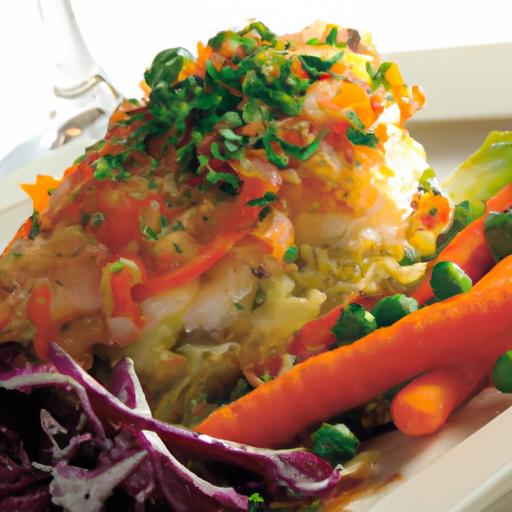


ThereS something undeniably majestic about a whole roasted salmon-a centerpiece that transforms any meal into a memorable feast. From its glistening, caramelized skin to the tender, flaky flesh beneath, mastering the art of roasting salmon whole is both a culinary adventure and a celebration of flavor.This guide will take you beyond the basics, diving into techniques, seasoning secrets, and presentation tips that elevate this dish from simple to stunning. Prepare to embark on a flavorful journey that promises not just a meal,but an experience worth savoring.
Mastering whole roasted salmon begins with selecting the freshest, highest-quality fish to ensure a feast that bursts with natural flavor and tender juiciness.Whole roasted salmon is a celebration of oceanic elegance-its rich texture and delicate aroma make it the centerpiece of any memorable meal. Whether you’re gathering close friends for a seaside-inspired dinner or crafting an impressive holiday main, this guide brings you tips, techniques, and creative ideas to elevate your culinary skills and confidence in preparing this stunning dish.
Prep and Cook Time
- Preparation: 20 minutes
- Marinating: 30 minutes to 2 hours (optional but recommended)
- Roasting: 45 to 60 minutes (depending on size)
- Total: Approximately 1.5 to 2.5 hours
Yield
Serves 6 to 8 people generously
Difficulty Level
medium – Perfect for those agreeable with whole fish preparation and roasting, with rewarding, show-stopping results.
Selecting the Perfect Salmon for Roasting: Tips for Freshness and Flavor
Choosing the right salmon is your first step in mastering whole roasted salmon. Look for a fish with luminous, clear eyes, firm and shiny skin, and a fresh, ocean-like scent that’s never overly fishy. Wild-caught Pacific salmon varieties such as king (Chinook), sockeye, or coho offer pronounced flavors and a beautiful oily richness that holds up beautifully to roasting. When buying whole,ensure the gills are bright red and moist-signs of freshness.Freshness isn’t just about flavor; it guarantees a moist, tender final dish where the salmon’s natural oils complement the marinade rather than competing with it.
Preparing Your Whole Salmon for Roasting: Essential Marinades and Seasoning Techniques
Before roasting, gentle treatment of your salmon with thoughtful marinades and seasoning will enhance its complexity without overpowering its natural flavor.
- Classic Citrus-Herb Marinade: Mix fresh lemon juice, olive oil, minced garlic, chopped fresh dill, and a pinch of sea salt to brighten the salmon’s natural richness.
- Simple Dry Rub: Combine coarse sea salt, cracked black pepper, smoked paprika, and finely grated lemon zest-perfect for a subtle smoky and citrus aroma.
- Whole Stuffing: Illuminate the cavity with slices of lemon,sprigs of rosemary and thyme,and a few crushed garlic cloves for flavor that delicately permeates the flesh during roasting.
Before applying marinades, pat the salmon dry gently with paper towel to help the seasoning adhere better. For an even cook, make a few shallow diagonal slashes along the skin side-this also allows the marinade to penetrate deeper.
mastering Oven Temperatures and Timing for Juicy,Tender Results
The secret to perfectly roasted salmon is controlled,even heat that locks in moisture while gently caramelizing the skin. Preheat your oven to 375°F (190°C), ideal for achieving a crisp skin and tender flesh without drying.
- Place the whole salmon on a large, rimmed baking tray lined with parchment or a well-oiled roasting rack to promote air circulation.
- Roast uncovered at 375°F, timing approximately 12-15 minutes per pound, but start checking at 40 minutes for smaller fish to avoid overcooking.
- Use a meat thermometer inserted into the thickest part-the internal temperature should reach 125°F (52°C) for medium doneness; it will continue to carry over cook slightly after removal.
- Midway through roasting, baste the fish with pan juices or an infused olive oil to boost flavor and glossiness.
creative Serving Suggestions and Pairings to Elevate Your Whole Roasted Salmon Feast
Once your whole roasted salmon shines golden and aromatic, it’s time to think beyond the plate. Consider these vibrant, complementary accompaniments and plating ideas:
- Bright and creamy dill-Yogurt Sauce: A cool, tangy dip with fresh dill, lemon zest, and garlic adds luscious freshness and balances the fish’s natural oils.
- Roasted Seasonal Vegetables: Think charred asparagus, fingerling potatoes tossed with olive oil and thyme, or sweet, caramelized baby carrots.
- Herbed Quinoa or Pearl Couscous Salad: Laced with chopped parsley, toasted almonds, and pomegranate seeds to deliver texture and fresh bursts of flavor.
- Garnish with Citrus Slices & Microgreens: Thin lemon or orange slices layered artfully atop and alongside your salmon,finished with delicate microgreens for color and a peppery bite.
- Serving Tip: Present the whole salmon on a rustic wooden board or large platter, inviting guests to carve tableside for an interactive dining experience.
Ingredients
- 1 whole fresh salmon (4-5 lbs), cleaned and scaled
- 2 tbsp extra virgin olive oil
- 3 garlic cloves, minced
- 2 lemons, 1 thinly sliced and 1 juiced
- 2 tbsp fresh dill, chopped
- 1 tbsp fresh rosemary sprigs
- 1 tbsp fresh thyme sprigs
- 1 tsp sea salt, plus extra for seasoning
- 1 tsp cracked black pepper
- ½ tsp smoked paprika (optional)
- Fresh microgreens or parsley (for garnish)
Instructions
- Preheat your oven to 375°F (190°C). Line a large baking sheet with parchment paper or set a roasting rack in place for even heat distribution.
- Prepare the salmon: Rinse the fish under cold water and pat dry with paper towels. Score the skin with shallow diagonal cuts to help seasonings penetrate.
- Mix your marinade: In a small bowl, combine olive oil, minced garlic, lemon juice, chopped dill, sea salt, cracked pepper, and smoked paprika. Brush generously inside and outside the fish.
- Stuff the cavity: Insert lemon slices, rosemary, and thyme sprigs, and a few garlic cloves to infuse gradual aromatics during roasting.
- Place the salmon on the tray: Lay the fish skin side down and pour any leftover marinade over the top. Let it rest at room temperature for 20-30 minutes to enhance absorption.
- Roast in the oven: Slide the tray onto the middle rack. Roast for 45-60 minutes, basting once halfway through with pan drippings or olive oil. Check internal temperature with a thermometer; remove once it hits 125°F (52°C).
- Rest and serve: Allow the salmon to rest for 5-10 minutes before carving to seal juices and ease slicing.
Chef’s Notes: Tips for Success
- freshness is key: Freeze your whole salmon for 24 hours if sourcing from a fish market to eliminate parasites,or buy pre-frozen labeled sushi-grade for safety.
- Marinating time: While optional, marinating for longer intensifies flavor but avoid exceeding 2 hours as citrus can start to “cook” the fish.
- Controlling doneness: Oven temperatures vary; use a thermometer rather than time alone to prevent drying out.
- Make-ahead: Prep seasoning and marinade up to 4 hours in advance and refrigerate both fish and mixture separately for convenience.
- Substitution ideas: Replace dill with tarragon or basil for a different herbal note without overpowering the salmon’s delicate flavor.
Serving Suggestions
Slice the salmon into thick fillets right before serving and arrange on a large platter with:
- Roasted lemon wedges and a drizzle of the yogurt dill sauce
- A sprinkle of finely chopped fresh herbs and microgreens for brightness
- Side bowls of warm quinoa salad or a crisp cucumber-dill salad for textural contrast
- Crusty artisan bread or herbed flatbreads to soak up glorious, flavorful juices
Finish with a dusting of flaky sea salt and freshly ground black pepper for maximum appeal. This creates a visually stunning and palate-pleasing centerpiece ideal for festive gatherings, elegantly showcasing your mastery of whole roasted salmon.

| Nutrient | Per Serving (approx.) |
|---|---|
| Calories | 420 kcal |
| Protein | 45 g |
| Carbohydrates | 2 g |
| Fat | 25 g (mostly healthy fats) |
Expand your culinary palate with our Lemon and Herb Grilled Salmon recipe for a lighter option bursting with vibrant flavors. For in-depth health benefits on omega-3 fatty acids found in salmon, visit the American Heart Association.
Q&A
Q&A: Mastering Whole Roasted Salmon – A Flavorful Feast Guide
Q1: Why choose whole roasted salmon for a special meal?
A1: Whole roasted salmon isn’t just a dish; it’s a centerpiece that brings visual drama and rich flavor to your table. Cooking it whole keeps the fish moist and tender,allowing the natural oils and flavors to deepen as it roasts. plus, it’s a celebration of simplicity and elegance, perfect for impressing guests or nourishing yourself with a wholesome feast.
Q2: What’s the key to prepping a whole salmon for roasting?
A2: Start with a fresh, well-cleaned salmon-scaled and gutted, of course. Pat it dry to ensure crisp skin. Then, season generously inside and out with salt, pepper, and your favorite herbs. Stuffing the cavity with lemon slices, garlic, and fragrant herbs like dill or thyme infuses every bite with subtle brightness and earthiness.
Q3: How do you achieve that perfect crispy skin on a whole roasted salmon?
A3: The secret lies in high heat and patience. Position the salmon skin-side down on a well-oiled baking sheet or roasting pan.Roast at a temperature around 400°F (200°C) to crisp the skin while keeping the flesh moist. Resist the urge to move it until the skin naturally releases-this means it’s beautifully crisp.
Q4: What flavor combinations elevate whole roasted salmon?
A4: Think fresh and vibrant: citrus zest, garlic, fennel, and fresh herbs create layers of flavor that complement salmon’s richness. Drizzle with a touch of good-quality olive oil or a squeeze of fresh lemon juice after roasting to brighten every forkful. You can also experiment with roasted vegetables or a tangy yogurt-based sauce on the side.
Q5: How long should I roast a whole salmon,and how do I no when it’s done?
A5: Timing depends on the size. As a general rule, roast for about 10 minutes per inch of thickness at the thickest part. The fish is done when it flakes easily with a fork and its flesh feels just firm but still moist. An internal temperature of around 125°F (52°C) ensures a tender, silky texture rather than dry.
Q6: Can I prepare whole roasted salmon ahead of time?
A6: Absolutely! You can prep the seasoning and stuffing in advance, then refrigerate the salmon until roasting time. After cooking, leftovers can be gently reheated or enjoyed cold in salads and sandwiches, making it a versatile option for both elegant dinners and casual meals.
Q7: What side dishes pair best with whole roasted salmon?
A7: Bright, fresh, and textured sides work best. Roasted root vegetables, herbed quinoa, or a crisp mixed green salad provide balance. Steamed asparagus or sautéed greens tossed with lemon zest add a vibrant contrast that highlights the salmon’s deep flavor.
Q8: Any pro tips for carving and serving whole roasted salmon?
A8: Use a sharp, flexible fillet knife to cut along the backbone, then gently lift the fillets off in large pieces for serving. Present the fish whole on a platter for dramatic effect, then serve with lemon wedges and fresh herbs so everyone can customize their own bites of this luscious, flavorful feast.
Insights and Conclusions
As you embark on your culinary journey to master the art of whole roasted salmon, remember that each step-from selecting the freshest fish to perfecting the seasoning and roasting technique-transforms a simple meal into a memorable feast. This flavorful method not only celebrates the salmon’s natural richness but also invites creativity and personalization at your table. With practice and passion, you’ll soon turn this impressive centerpiece into a signature dish that delights both family and friends alike. So, fire up your oven, embrace the adventure, and let the vibrant, succulent flavors of whole roasted salmon elevate your next gathering into an unforgettable celebration of taste.