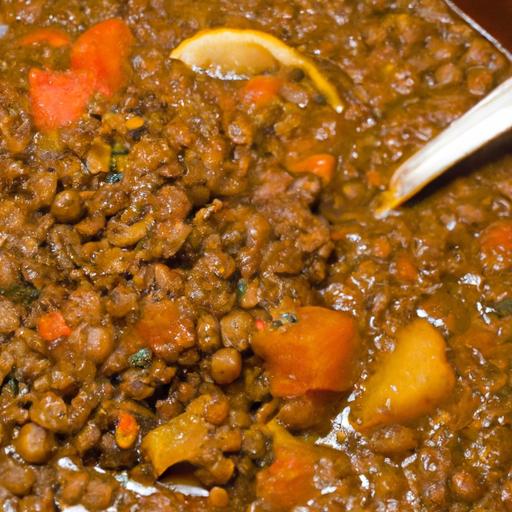


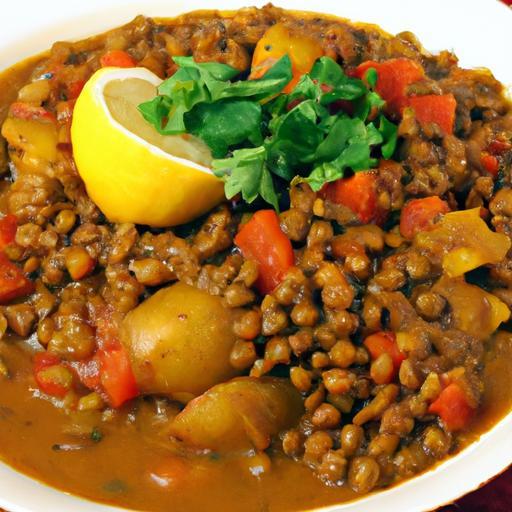
In the heart of Ethiopian cuisine lies a dish as vibrant and rich as the culture itself: Misir Wot. This iconic lentil stew,with its deep crimson hue and symphony of spices,tells a story that transcends mere sustenance. Rooted in centuries-old traditions, Misir Wot is more than just a meal-it is indeed a culinary expression of Ethiopian heritage, community, and spirituality. As we explore the origins, ingredients, and cultural significance of this beloved stew, we open a flavorful window into a world where food nourishes both body and soul. Join us on a journey through fragrant berbere spices and simmering lentils to discover why Misir Wot remains a cherished emblem of Ethiopia’s gastronomic identity.
Misir Wot, Ethiopia’s iconic lentil stew tradition, embodies centuries of rich history and cultural depth, making it a staple that’s both nourishing and soul-satisfying. Originating from the heart of Ethiopian cuisine, this vibrant dish is traditionally slow-simmered with the fiery berbere spice blend and a fragrant base of aromatics, culminating in a stew bursting with warmth, color, and complex flavor. My first encounter with misir wot was in a bustling Addis Ababa market, where the deep earthy aroma and the bright scarlet hue of the stew captivated me instantly-an unforgettable introduction to ethiopian culinary artistry.
Prep and Cook Time
- Preparation: 15 minutes
- Cooking: 45 minutes
- Total Time: 1 hour
Yield
- Serves 4 generous portions
Difficulty Level
- Medium – perfect for home cooks eager to explore authentic Ethiopian flavors
Key Ingredients for an authentic Misir Wot Experience
- 1 cup red lentils, rinsed thoroughly
- 2 tablespoons niter kibbeh (Ethiopian spiced clarified butter) or unsalted butter
- 2 medium onions, finely chopped
- 3 cloves garlic, minced
- 1 tablespoon ginger, freshly grated
- 3 tablespoons berbere spice blend (see tips below for perfecting your own)
- 2 cups vegetable broth or water
- 2 tablespoons tomato paste
- Salt and freshly ground black pepper, to taste
- Juice of half a lemon (optional, to brighten the stew)
- Fresh cilantro or parsley for garnish
Instructions: Crafting the Perfect Misir wot
- Prepare the lentils: Rinse the red lentils thoroughly under cold water until the water runs clear. Drain and set aside.
- Sauté the aromatics: In a heavy-bottomed pot, melt the niter kibbeh over medium heat. Add the finely chopped onions and sauté gently, stirring frequently, until deep golden brown and caramelized, about 15 minutes. This slow cooking unlocks their natural sweetness-don’t rush!
- Add garlic and ginger: Stir in the minced garlic and grated ginger, cooking for another 2 minutes until fragrant.
- Bloom the berbere: Sprinkle the berbere spice blend evenly over the onions and aromatics. Stir continuously for 1-2 minutes to toast the spices and release their vibrant, smoky layers.
- incorporate tomato paste: Stir in the tomato paste, coating the mixture evenly and deepening the stew’s rich red color.
- Simmer the lentils: Add rinsed lentils and vegetable broth to the pot, stirring well. Bring to a gentle boil, then reduce to low heat.Cover partially and simmer for 30-40 minutes, stirring occasionally, until lentils are tender and the stew has thickened luxuriously.
- Season and balance: Season with salt, black pepper, and optional lemon juice to enhance brightness. Adjust seasoning per your taste.
- Final stir and serve: Remove from heat. Garnish with fresh cilantro or parsley before ladling generously onto warm injera or alongside steamed rice.
Tips for Perfecting the Spicy Berbere Blend
- Roast your spices: Toasting whole spices such as cardamom, fenugreek, coriander, and chili flakes on a dry skillet before grinding awakens essential oils for depth and complexity.
- Balance heat and fragrance: berbere’s signature comes from combining dried chili powder, smoked paprika, garlic powder, ginger, and cinnamon. Adjust chili type and quantity for personalized heat levels.
- Freshness is key: Prepare small batches and store airtight to maintain aroma and potency, avoiding pre-ground supermarket blends that lack vibrancy.
- mix with niter kibbeh: Using spiced clarified butter enhances berbere’s flavor profile, infusing the dish with buttery warmth and subtle herbaceous notes.
serving Suggestions and Pairing Misir Wot
- Injera is essential: Serve misir wot on conventional Ethiopian injera, its tangy, spongy texture perfect for scooping the luscious lentils.
- Complement with vegetable sides: Popular companions include gomen (collard greens) or atkilt wat (cabbage and carrots), adding varied textures and freshness.
- balance with mild dips: A dollop of plain yogurt or Ethiopian ayib (cheese) can mellow the stew’s fiery kick, offering creamy contrast.
- Garnish wisely: Fresh herbs like cilantro or a sprinkle of toasted sesame seeds provide visual appeal and an added layer of flavor.
- Pairing beverages: Ethiopian honey wine (tej) or freshly brewed Ethiopian coffee create an authentic dining experience.
| Nutrient | Per Serving |
|---|---|
| Calories | 280 kcal |
| protein | 18 g |
| Carbohydrates | 38 g |
| Fat | 8 g |
Chef’s Notes: Mastering Misir Wot at Home
- Lentil choice: Though red lentils cook faster and yield a creamy texture, brown or green lentils can be used for a firmer bite, adjusting cooking time accordingly.
- Pressure Cooker shortcut: If short on time, use a pressure cooker to tenderize lentils in 15 minutes, but maintain the slow-cooked onion and spice base for authentic depth.
- Make-ahead magic: Misir wot flavors deepen over 24 hours; refrigerate and gently reheat before serving for an even richer experience.
- Spice intensity: Adjust berbere quantity according to your heat tolerance; start with less and add more after tasting.
- Option fats: For vegan versions, use coconut oil but add extra garlic and smoked paprika to replicate niter kibbeh’s smokiness.

For an in-depth look at Ethiopian injera to accompany your misir wot, check out our related guide on Authentic Injera Recipe.For cultural insights and detailed spice profiles,visit the britannica overview of Ethiopian cuisine.
Q&A
Q&A: Misir Wot – Exploring Ethiopia’s Iconic Lentil Stew Tradition
Q1: What is Misir Wot,and why is it so important in Ethiopian cuisine?
A1: Misir Wot is a richly spiced lentil stew that holds a special place at the heart of Ethiopian culinary tradition. Made primarily from red lentils simmered in a robust blend of berbere spices and clarified butter called niter kibbeh, misir Wot is more than just comfort food-it’s a symbol of home, hospitality, and the intricate flavors that define Ethiopian cooking.
Q2: What makes berbere spice so essential in creating the authentic taste of Misir Wot?
A2: Berbere is a vibrant, fiery spice mix that acts as the soul of Misir Wot. comprising ingredients like chili peppers, garlic, ginger, fenugreek, and several warming spices, berbere brings layers of heat, earthiness, and complexity. This spice blend transforms humble lentils into a dish bursting with character and warmth.
Q3: How is Misir Wot traditionally served in Ethiopia?
A3: Misir Wot is typically served atop injera, a tangy, spongy flatbread made from teff flour. The stew is spooned onto the injera, which acts as both plate and utensil-diners tear off pieces of injera to scoop up the lentils. This communal style of eating embodies Ethiopian social and cultural values of sharing and connection.
Q4: Can Misir Wot be adapted for various diets or preferences?
A4: Absolutely! Misir Wot’s foundation of lentils makes it naturally vegan and gluten-free, appealing to manny dietary preferences. While the traditional recipe uses niter kibbeh (a spiced clarified butter),it can be gently substituted with vegetable oil to maintain the plant-based integrity without sacrificing flavor.
Q5: What historical or cultural significance does Misir Wot carry?
A5: Beyond its delicious taste, Misir Wot reflects Ethiopia’s deep culinary history, influenced by religious practices and seasonal fasting. Lentils are a staple during fasting periods observed by many ethiopian orthodox Christians, making Misir Wot both a spiritual and sustenance-rich dish that connects generations.
Q6: How long does it typically take to prepare misir Wot, and what are the keys to perfecting it?
A6: Preparing Misir Wot requires patience-usually around one to two hours-to allow the lentils to become tender and the spices to fully meld. the key lies in slowly sautéing onions to a deep golden brown, gently toasting the berbere, and cooking the stew at a low simmer. This slow-building process unlocks the stew’s deep,smoky flavor.
Q7: What are some complementary dishes or sides commonly paired with Misir Wot?
A7: Misir Wot pairs wonderfully with a variety of Ethiopian staples such as atkilt (a vegetable medley of cabbage, carrots, and potatoes), gomen (collard greens), and various other stews and salads.Together on the injera platter, they create a colorful, flavorful feast that showcases the harmony of Ethiopian cuisine.
Q8: Is Misir Wot gaining popularity outside of ethiopia?
A8: Indeed, misir Wot is becoming celebrated globally, appreciated by food lovers for its rich spices, plant-based goodness, and connection to a vibrant culture. Ethiopian restaurants worldwide have introduced many to this stew, inviting plenty of curiosity and admiration for its bold flavors and unique dining experience.
Q9: can I make Misir Wot using other types of lentils?
A9: While red lentils are preferred for their ability to break down and thicken the stew, yellow lentils or brown lentils can also be used with slight adjustments in cooking time. The key is to choose lentils that soften well, maintaining that comforting, stew-like consistency.
Q10: What tips would you offer to someone trying Misir Wot for the first time at home?
A10: Start with quality ingredients-fresh spices, good lentils, and patience. Don’t rush the caramelization of onions, as it’s the flavor foundation. Embrace the slow cooking process and smell the intoxicating aromas as the stew simmers. Lastly, serve it traditionally with injera to truly experience the authentic Ethiopian way.
In Retrospect
As the fragrant steam of Misir Wot rises from vibrant clay pots across Ethiopian tables, it carries with it centuries of history, culture, and communal spirit. This humble lentil stew, rich with bold spices and slow-cooked patience, is more than just a dish-it is a delicious narrative of tradition and togetherness. Whether savored during fasting seasons or shared in everyday meals,Misir Wot invites us to taste the heart of Ethiopia,reminding us that the simplest ingredients,when united with care and heritage,can create a feast that transcends time and borders. Exploring Misir wot is not just a culinary journey, but an invitation to connect with a culture that celebrates flavor, faith, and family in every savory spoonful.