


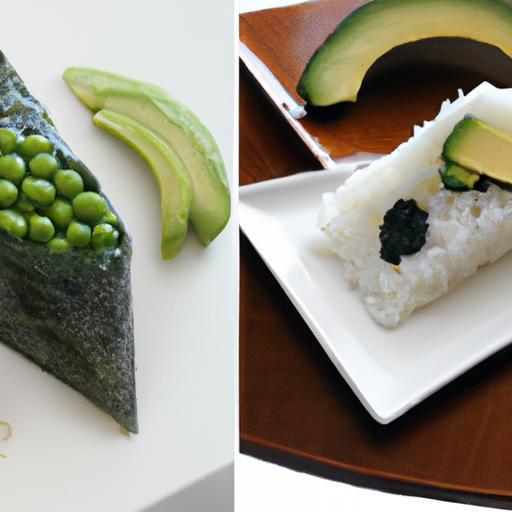
Beneath the unassuming surface of a simple rice ball lies a story steeped in centuries of tradition, culture, and culinary artistry. Onigiri-Japan’s beloved rice snack-is far more than just a portable meal; it is a living symbol of comfort, heritage, and innovation wrapped in seaweed. From humble street stalls to the meticulous hands of master chefs, these triangular treasures reveal a world where technique meets sentiment, and every grain tells a tale. Join us as we unwrap the art and tradition of onigiri, exploring how this humble rice ball has become an enduring icon of Japanese heritage and a beloved comfort food across the globe.
The Origins and Cultural Importance of Onigiri in japanese Society
Onigiri Unwrapped brings you into the heart of a much-loved Japanese staple: the humble rice ball. with roots tracing back over a thousand years, onigiri is far more than a simple snack. Its evolution mirrors Japan’s shifting culinary landscape and social fabric-from ancient travelers packing sustenance for journeys to modern convenience store shelves across the country.
Traditionally, onigiri symbolized comfort and connection. These hand-shaped morsels offered nourishment during wartime and were an easy, portable meal for farmers and students alike. In Japanese households, sharing onigiri evokes warmth and familial bonds, especially when crafted with care. The seaweed wrapping, protecting the tender rice and savory fillings, is a nod to both practicality and art-a culinary emblem woven into daily life and celebrations.
Mastering the Traditional Techniques of Shaping and Filling Onigiri
Achieving perfect onigiri requires respect for the rice’s texture and a mindful touch. begin with freshly cooked Japanese short-grain rice, sticky enough to hold shape but airy enough to avoid heaviness.While the rice is still warm, dampen your hands with saline water-this prevents sticking and seasons the rice subtly.
Form the rice gently-not pressing too hard-to create classic triangular or round shapes.At the center lies the soul of your onigiri: the filling. Popular options include seasoned salted salmon flakes, tangy umeboshi (pickled plum), or savory grilled kombu. Place a small amount of filling in your palm before enclosing it with rice,ensuring each bite offers a burst of flavor without overpowering the entire ball.
Exploring Iconic and Regional Flavor Combinations to Elevate Your Onigiri
The world of onigiri fillings is abundant and diverse, varying from region to region. While Onigiri Unwrapped celebrates traditional flavors,consider exploring miso-marinated mackerel from the hokuriku region or tarako (cod roe) common in Hokkaido. For a twist, incorporate furikake seasoning blends or mix cooked vegetables like finely chopped shiitake mushrooms or edamame for vibrant texture and taste.
Season your fillings thoughtfully-balancing saltiness, sweetness, and umami-to keep the rice fresh and inviting. This culinary exploration pays homage to Japan’s regional tastes and invites you to create personalized onigiri masterpieces.
Essential Tips for Selecting Rice and Seaweed to Achieve Authentic Texture and Taste
Authenticity begins with your base ingredients. For best results, select Japanese short-grain rice varieties known for their sticky, plump grains, such as Koshihikari or Sasanishiki. Rinse the rice multiple times until the water runs clear to remove excess starch, ensuring fluffy but cohesive grains. Cook with precise water ratios to achieve that signature chewy yet tender texture.
When choosing seaweed,opt for nori sheets that are crisp and unblemished. Freshness is key-they should snap cleanly when bent.Toasted nori adds an irresistible textural contrast to the softness of the rice and enhances aroma. Wrap your onigiri just before eating to retain this crispness,or use a lightly oiled wrap paper if packing ahead.
prep and Cook Time
- Readiness Time: 15 minutes
- Cooking Time: 30 minutes (includes rice cooking and cooling)
- Total Time: 45 minutes
Yield
- Makes 6 medium-sized onigiri
Difficulty Level
- Easy to Medium
ingredients
- 2 cups Japanese short-grain rice, rinsed and drained
- 2 1/4 cups water (for cooking rice)
- 1 teaspoon salt (for seasoning rice and hands)
- 6 sheets toasted nori, cut into strips or halves
- 1/2 cup cooked salmon flakes, lightly salted
- 1/4 cup umeboshi (pickled plum), pitted and chopped (optional)
- 1 tablespoon toasted sesame seeds (optional garnish)
- Small bowl of water mixed with a pinch of salt (for shaping)
Instructions
- Cook the rice: In a rice cooker or heavy-bottomed pot, combine rinsed rice with 2 1/4 cups water. Cook until tender and water is absorbed. Let rest, covered, for 10 minutes.
- Prepare fillings: Flake the cooked salmon into small pieces. If using umeboshi, chop finely.
- Season hands: Pour a pinch of salt into the bowl of water. Dip hands frequently to prevent rice sticking and to lightly salt the onigiri.
- Shape the onigiri: With damp hands, scoop about 1/3 cup of rice. Create a small indentation in your palm, place about a teaspoon of filling inside, then cover with another tablespoon of rice.
- Form triangles: press gently but firmly into a triangular or oval shape, ensuring the filling is fully enclosed. Avoid smashing the rice to keep texture light.
- Wrap with nori: Place a strip or half-sheet of toasted nori around each rice ball just before serving to retain crispness.
- Garnish and serve: Sprinkle with toasted sesame seeds if desired. serve promptly or wrap tightly for packed lunches.
Chef’s Notes
- For a vegetarian option, substitute fillings with seasoned shiitake mushrooms or kombu tsukudani.
- If you prefer less sticky rice, let the cooked rice cool slightly before shaping.
- Make-ahead tip: Prepare rice and fillings in advance; shape onigiri just before eating to keep nori crisp.
- use plastic wrap to assist shaping if hands feel sticky or to achieve perfect forms.
- Experiment with furikake blends sprinkled on rice before shaping for added flavor layers.
Serving Suggestions
Present onigiri on a simple bamboo leaf or elegant plate to highlight their clean shapes. Accompany with sides like miso soup, pickled vegetables, or a crisp green salad.For garnish, small shiso leaves or thin strips of pickled ginger bring brightness and colour, enhancing both plating and palate.

| Nutrient | Per Serving |
|---|---|
| Calories | 180 kcal |
| Protein | 6 g |
| Carbohydrates | 37 g |
| Fat | 2 g |
For further insight into Japanese rice varieties and their cooking techniques, visit the Japan-Guide’s Rice Culture page.
Curious about other Japanese bento essentials that pair wonderfully with onigiri? Check out our article on Bento Box Essentials: Classic Japanese Side Dishes for inspiration.
Q&A
Q&A: Onigiri Unwrapped: The Art and Tradition of Japan’s Rice Balls
Q1: What exactly is onigiri?
A1: Onigiri, often called Japan’s beloved rice ball, is a hand-shaped morsel of seasoned rice, sometimes filled or wrapped, designed to be both delicious and portable. It’s a humble yet iconic staple of Japanese cuisine, embodying simplicity and deep cultural significance.
Q2: How did onigiri originate in Japanese culture?
A2: Onigiri dates back centuries, initially serving as a practical way for travelers and warriors to carry sustenance. Over time, it evolved into a comfort food steeped in tradition, frequently enough handcrafted by loved ones with care, symbolizing warmth and home.
Q3: What makes onigiri different from sushi?
A3: Though both feature rice, onigiri differs considerably from sushi. Onigiri traditionally uses plain or lightly salted rice shaped by hand and may include fillings wrapped inside or adorned with nori (seaweed).Sushi, conversely, typically involves vinegared rice and raw fish or other seafood.Onigiri is about simplicity and heartiness rather than elaborate presentation.
Q4: What are common fillings found inside onigiri?
A4: Typical fillings lean toward savory and preserved flavors that balance the neutral rice beautifully. Popular ingredients include salted salmon, pickled plum (umeboshi), grilled seaweed, seasoned kelp (konbu), and even savory mixtures like tuna with mayonnaise. These fillings reflect Japan’s affinity for natural, umami-rich tastes.
Q5: Why is nori (seaweed) often wrapped around onigiri?
A5: Nori serves a practical and aesthetic role. it acts as a natural wrapper, making the rice ball easier to hold without sticking to your fingers. Nutritionally, it adds a subtle oceanic flavor and a contrasting texture, reinforcing the connection to the sea-a vital element in Japanese cuisine.
Q6: Are there special shapes or forms that onigiri can take?
A6: Yes! Though the classic triangle shape is most common, onigiri can be fashioned into rounds, cylinders, or even cute character shapes (known as kyaraben) for children and festive occasions. these shapes not only showcase creativity but also reflect the season, event, or personal expression.
Q7: How is onigiri traditionally prepared at home?
A7: Making onigiri at home is both an art and a practice in mindfulness. Cooked rice-ideally Japanese short-grain-is seasoned lightly with salt or mixed with other subtle flavors. The rice is then cooled slightly before being gently shaped by hand,often with a sprinkle of salt to enhance preservation and taste. Fillings are added inside or layered on the outside before wrapping the piece with nori.
Q8: Has onigiri adapted in modern Japan or internationally?
A8: Absolutely! While traditional onigiri still holds a cherished place, modern takes have introduced inventive fillings like spicy tuna, tempura bits, or even vegetarian options such as grilled mushrooms or pickled vegetables. Globally, chefs embrace onigiri for its versatility and charm, integrating local ingredients while respecting its heritage.
Q9: What cultural meaning does onigiri hold beyond nourishment?
A9: Onigiri embodies care, connection, and the simplicity of enjoying everyday moments. In Japan, a lovingly made onigiri often symbolizes a gesture of affection-from a parent to a child or a friend to a companion on a journey. it’s an edible token of love, tradition, and the enduring human bond.
Q10: Can onigiri be part of a balanced diet?
A10: definitely! Onigiri offers a nourishing balance of carbohydrates with protein and healthy fats depending on its filling. Incorporating pickled vegetables or seaweed boosts fiber and micronutrients, making it a wholesome snack or meal on the go.
Through these humble rice balls, onigiri continues to connect generations, tastes, and stories-a true culinary emblem of Japan’s soul.
To Conclude
As we close the wrapping on our journey through onigiri, it becomes clear that these humble rice balls are much more than simple snacks. Each onigiri carries with it a blend of history, artistry, and cultural significance-an edible emblem of Japan’s enduring relationship with rice. From the careful folding of the nori to the delicate balance of fillings, onigiri invites us to savor tradition in every bite. So whether enjoyed from a bustling konbini or crafted by hand at home, onigiri remains a timeless testament to the artful simplicity that defines Japanese cuisine. The next time you unwrap one, remember: you’re holding more than food-you’re holding a piece of living heritage.


