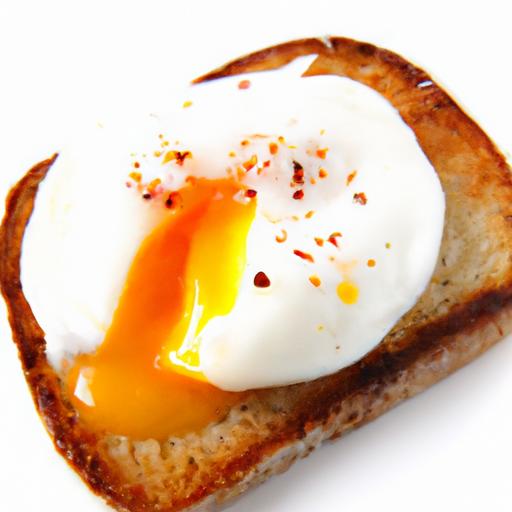


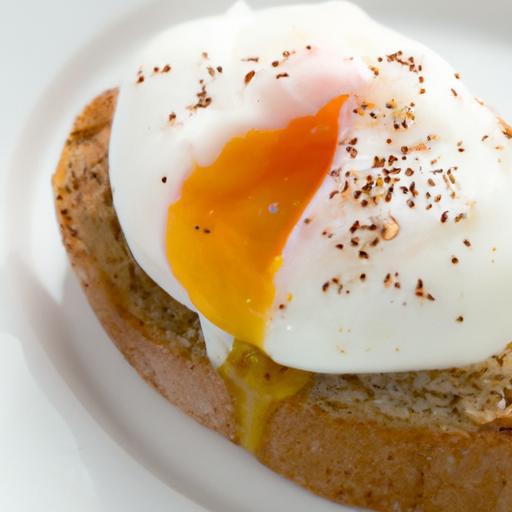
few culinary skills evoke both elegance and simplicity quite like the perfect poached egg. That delicate orb of tender whites cradling a golden, runny center is more than just a breakfast staple-it’s a testament to patience, precision, and technique. Whether crowned atop a buttery English muffin, nestled beside sautéed greens, or gracing a lavish brunch plate, mastering the art of poaching eggs transforms your kitchen repertoire and elevates everyday meals into memorable experiences. In this ultimate guide, we’ll unravel the secrets behind that flawless poach, exploring step-by-step techniques, common pitfalls, and expert tips to help you achieve egg-cooking excellence every time. Prepare to crack open a new world of culinary possibilities-one perfectly poached egg at a time.
Mastering the art of the perfect poached egg begins with understanding the very foundation: selecting the freshest eggs. This simple yet crucial step transforms your poaching technique and guarantees those silky whites and luxuriously runny yolks that chefs and home cooks alike crave. Originating from classic French cuisine, the poached egg has become a global breakfast and brunch staple – embodying elegance and simplicity on a plate.Let’s embark on this culinary journey to achieve flawless poached eggs every time!
Prep and Cook Time
- Planning Time: 5 minutes
- Cooking Time: 3-4 minutes per egg
Yield
- Serves 2 (2 eggs each)
Difficulty Level
- easy to Medium – perfect for mastering a refined technique with practice
Ingredients
- 4 fresh large eggs (the fresher, the better – ideally from local farms or your trusted grocer)
- 4 cups filtered water
- 1 tablespoon white vinegar (helps egg whites coagulate quickly)
- Pinch of fine sea salt (optional, for seasoning)
- Freshly cracked black pepper and chopped chives for garnish
Instructions
- Prepare your eggs: Start with eggs that are super fresh – perform the water test by gently placing them in a bowl of cold water; they should sink and lay flat. This means the eggs have tight, firm whites that result in beautifully shaped poached eggs.
- Heat the poaching water: In a deep saucepan, bring 4 cups of filtered water to a gentle simmer (180-190°F/82-88°C).avoid a rolling boil to prevent whites from dispersing.
- Add vinegar: Stir in 1 tablespoon white vinegar. The acid speeds coagulation, ensuring smooth, silky egg whites.
- Create the whirlpool: Using a spoon or whisk, gently stir the water in one direction to create a gentle vortex. This motion helps wrap the egg whites neatly around the yolk.
- Poach the eggs: Crack one egg into a small ramekin or cup. Carefully slide the egg into the center of the whirlpool.Let it cook undisturbed for 3-4 minutes until whites are set but yolks remain tender and runny.
- Remove and drain: Using a slotted spoon, gently lift the egg out of the water.Allow excess water to drain on a paper towel-lined plate.
- Season and serve: Lightly season with a pinch of sea salt and freshly cracked black pepper. Garnish with chopped chives for a pop of color and mild onion flavor.
- Repeat: Repeat steps 4-7 for remaining eggs.
Tips for Success
- use the freshest eggs possible: As the focus keyword emphasizes, fresh eggs are the secret to perfect poached eggs. Older eggs tend to spread in water, creating wispy, uneven whites.
- Skip the vinegar if you dislike any slight tang: Fresh eggs frequently enough don’t need vinegar if timing and temperature are perfect, but vinegar is a forgiving helper especially for beginners.
- Practice single egg poaching first: Mastering one at a time reduces overcrowding and allows precise control.
- Trim wispy egg whites: For extra polish, strain loose egg whites before cracking into the water.
- Keep a gentle simmer: Rapid bubbles cause eggs to break apart; maintain a calm surface.
- Make ahead hack: Poach eggs slightly underdone, chill in ice bath, then gently reheat in warm water before serving.
- Troubleshooting: If eggs spread, check egg freshness. If whites are rubbery, reduce cooking time slightly.
Creative Serving Suggestions
Elevate your perfectly poached eggs by layering textures and flavors. Serve atop a toasted slice of sourdough bread smeared with creamy avocado and a sprinkle of smoked paprika for a smoky surprise. For an elegant brunch, nestle your egg on a bed of sautéed spinach and roasted cherry tomatoes, drizzled with a velvety hollandaise or a light herb vinaigrette. Add a sprinkle of dukkah or crushed pistachios for delightful crunch and nuttiness.
For a vibrant, health-conscious option, plate your eggs alongside roasted sweet potato wedges and fresh arugula tossed in lemon zest and olive oil. Radiant microgreens not only bring freshness but also enhance the visual appeal, highlighting the glossy, tender white and golden yolk.
Garnish with edible flowers such as nasturtiums or pansies for an Instagram-worthy finish, truly celebrating the art of the perfect poached egg.

| Nutrient | Per Serving (2 eggs) |
|---|---|
| Calories | 140 kcal |
| Protein | 12 g |
| Carbohydrates | 1 g |
| Fat | 10 g |
Delve deeper into egg techniques and creative breakfast ideas in our Ultimate Guide to Egg Recipes. To understand the science behind egg poaching, visit Serious Eats’ expert guide.
Q&A
Q: what makes poached eggs so special compared to boiled or fried eggs?
A: Poached eggs boast a delicate, silky white that gently envelops a luxuriously runny yolk-an elegant texture and beauty that neither boiling nor frying can quite capture. Their subtle flavor and melt-in-your-mouth finish make them the perfect crown jewel on everything from vibrant salads to buttery toast.
Q: How can I ensure my poached egg has a perfectly tender white but a yolk that’s still gooey?
A: Timing is key. Gently slide your egg into simmering water and poach for around 3 to 4 minutes. The whites will set into a pillowy embrace while the yolk remains a molten golden treasure. Watching the water’s temperature is crucial too-aim for gentle simmering, not a rolling boil, to avoid reckless swirling that tears the delicate whites.
Q: Is there a secret ingredient or trick to keep poached eggs from spreading out in the water?
A: Yes-the gentle embrace of a small splash of vinegar in the poaching water helps proteins in the egg white coagulate quickly,encouraging them to cling close to the yolk. Also, stirring the water into a soft whirlpool before sliding in the egg can wrap the whites tightly around their core, resulting in a neat, pretty shape.
Q: Can I prepare poached eggs ahead of time without sacrificing quality?
A: Absolutely! After poaching,place eggs in a bowl of ice water to halt cooking instantly. Store them submerged in cold water in the fridge for up to two days. When ready to serve, gently rewarm them in briefly simmering water for about 30 seconds. This method keeps the luscious texture intact and saves precious morning minutes.
Q: What’s the best type of egg to choose for poaching?
A: Fresh eggs reign supreme.Their firmer whites cling around the yolk more tightly, preventing wispy strands from floating aimlessly in the water. Older eggs tend to have looser whites, wich can lead to a less neat poached shape and a more fragile finish.
Q: How can I creatively serve poached eggs beyond the classic breakfast plate?
A: Poached eggs are culinary chameleons-nest them atop vibrant grain bowls dusted with herbs, crown roasted vegetables for a nourishing dinner, or slide them onto avocado toast kissed with chili flakes. The silky yolk becomes a natural sauce, elevating dishes with richness and flair.
Q: What common mistakes should I avoid when poaching eggs?
A: Avoid high heat that creates turbulent bubbles-this can shred the tender whites. Don’t crack eggs directly into the water; instead, use a small cup to gently slide them in. Lastly, poaching many eggs at once without ample space or water depth leads to crowding and uneven cooking.
Q: Is it possible to poach eggs without a stove or boiling water?
A: while conventional poaching relies on simmering water, in a pinch, you can poach eggs in a microwave-safe bowl with water, carefully adjusting power and time to avoid exploding eggs. However,mastering the stovetop method offers unmatched control and the quintessential silky finish.
Q: How does altitude effect the poaching process?
A: At higher altitudes, water boils at lower temperatures, which can slow cooking. To compensate, poach eggs a bit longer or increase the water temperature slightly (without boiling) to achieve that tender white and creamy yolk harmony.
Q: can I poach eggs in flavored liquids to add an extra dimension?
A: Certainly! Infuse your poaching water with aromatic herbs like thyme or bay leaves, or a pinch of turmeric for color and subtle earthiness. Just keep seasoning light to preserve the egg’s delicate essence,turning your poached masterpiece into a sensory delight.
Wrapping Up
As you’ve discovered, mastering the art of the perfect poached egg is less about luck and more about technique, patience, and a touch of culinary intuition. With this ultimate guide in hand, you’re now equipped to transform simple eggs into silky, tender delights that elevate any breakfast or brunch plate. Whether you’re crafting a classic Eggs Benedict or adding a delicate protein boost to your salad, these poached gems will bring both elegance and nourishment to your table. So go ahead-immerse yourself in the process, embrace the little bubbles of discovery, and let every perfectly poached egg be a delicious testament to your kitchen confidence. Happy cooking!