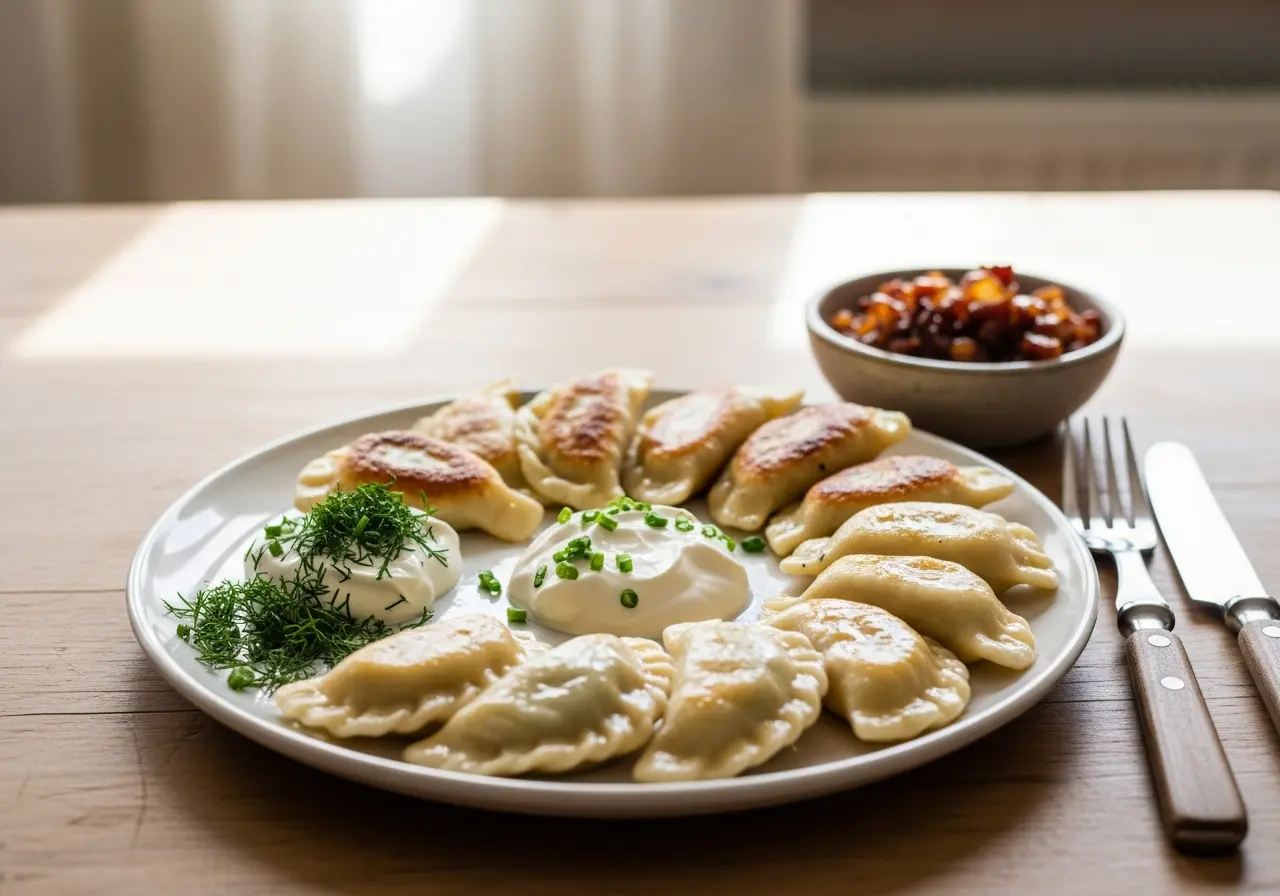


Hidden beneath a humble doughy exterior lies a treasure trove of flavors, history, and culture-welcome to the world of pierogis. These beloved Polish dumplings, stuffed with everything from savory potatoes and cheese to sweet fruit fillings, are more than just comfort food; they are a culinary tradition passed down through generations. In “Pierogis Unwrapped: Your Ultimate Guide to Polish Delights,” we’re diving fork-first into the art of making, savoring, and celebrating this iconic dish. Whether you’re a seasoned foodie or a curious newcomer, prepare to uncover the stories, recipes, and secrets that make pierogis a flavorful symbol of Poland’s rich heritage.
Pierogis Unwrapped invite you on a culinary journey through time and taste, weaving the charm of traditional Polish heritage with inspiring modern twists. These delicate dumplings have long been a symbol of family gatherings and cozy kitchens, boasting a versatility that goes far beyond the beloved potato and cheese filling. Whether nestled in a crisp buttery pan or gently boiled to tender perfection, Pyrohy carry a soulfulness that beckons every food lover to savor each bite.
Prep and Cook Time
- Preparation: 45 minutes
- cooking: 15 minutes
- Total: 1 hour
Yield
- Makes approximately 24 pierogis (serves 4-6)
Difficulty level
- Medium – Ideal for adventurous home cooks eager to master a traditional craft.
Ingredients
- Dough: 3 cups all-purpose flour, sifted
- warm water: 1 cup (about 110°F)
- Egg: 1 large, lightly beaten
- Salt: 1 teaspoon
- Butter: 3 tablespoons, melted (plus extra for sautéing)
- Filling options:
- Mushroom & Sauerkraut: 2 cups finely chopped cooked mushrooms, 1 cup drained sauerkraut, sautéed with 1 small onion and 1 teaspoon caraway seeds
- Sweet Potato & Sage: 2 cups mashed sweet potatoes, 1 teaspoon finely chopped fresh sage, salt and pepper to taste
- Ricotta & Spinach: 1½ cups ricotta cheese, 1 cup cooked spinach (squeezed dry), ½ teaspoon nutmeg, salt
- Lentil & Carrot: 1½ cups cooked brown lentils, 1 small grated carrot, 1 teaspoon smoked paprika
- For finishing: 2 tablespoons chopped fresh parsley, sour cream or vegan yogurt for serving
Instructions
- make the dough: In a large bowl, combine the sifted flour and salt. Add the warm water, beaten egg, and melted butter. Mix with a fork or your hands until the dough starts to come together.
- Knead the dough: Transfer to a lightly floured surface and knead for about 8-10 minutes until smooth, elastic, and slightly tacky. Wrap in plastic wrap and let rest for 30 minutes. This rest helps relax the gluten for tender pyrohy.
- Prepare the filling: While the dough rests, combine your chosen filling ingredients in a bowl. Adjust seasoning carefully; fillings should be flavorful but not overpowering.
- Roll out the dough: Dust your workspace and roll the dough to a 1/8-inch thickness. Use a 3-inch round cutter to form circles.
- Fill the pierogis: Place about a teaspoon of filling in the center of each dough circle. Fold over to form a half-moon shape and press edges firmly, sealing completely. Use a fork to crimp edges if desired.
- Cook the pierogis: Bring a large pot of salted water to a gentle boil. Drop pyrohy in batches,stirring gently to prevent sticking. Once they float to the surface (about 3-4 minutes), let them cook an additional minute and then remove with a slotted spoon.
- Sauté for extra flavor: In a large skillet, melt butter over medium heat. Add boiled pierogis and sauté until the bottoms are golden and crisp, about 5 minutes, turning carefully. This step enhances texture and adds depth.
- Serve: Plate the pyrohy warm, garnished with chopped fresh parsley and a dollop of sour cream or vegan yogurt for a luscious finish.
tips for Success
- Seal properly: Ensure pierogi edges are well-pressed to avoid filling leaks during cooking.
- Rest dough: Don’t skip the resting time; it makes rolling easier and dough more pliable.
- Filling variety: Experiment with regional fillings inspired by Polish provinces like lublin’s wild mushrooms or the rich Lviv cheese blends to surprise your palate.
- make-ahead: Freeze uncooked pyrohy laid on parchment. To cook from frozen, boil a minute longer and sauté as usual.
- For vegan versions: Use flax egg (1 tbsp ground flaxseed + 3 tbsp water) and replace butter with plant-based alternatives.
Serving Suggestions
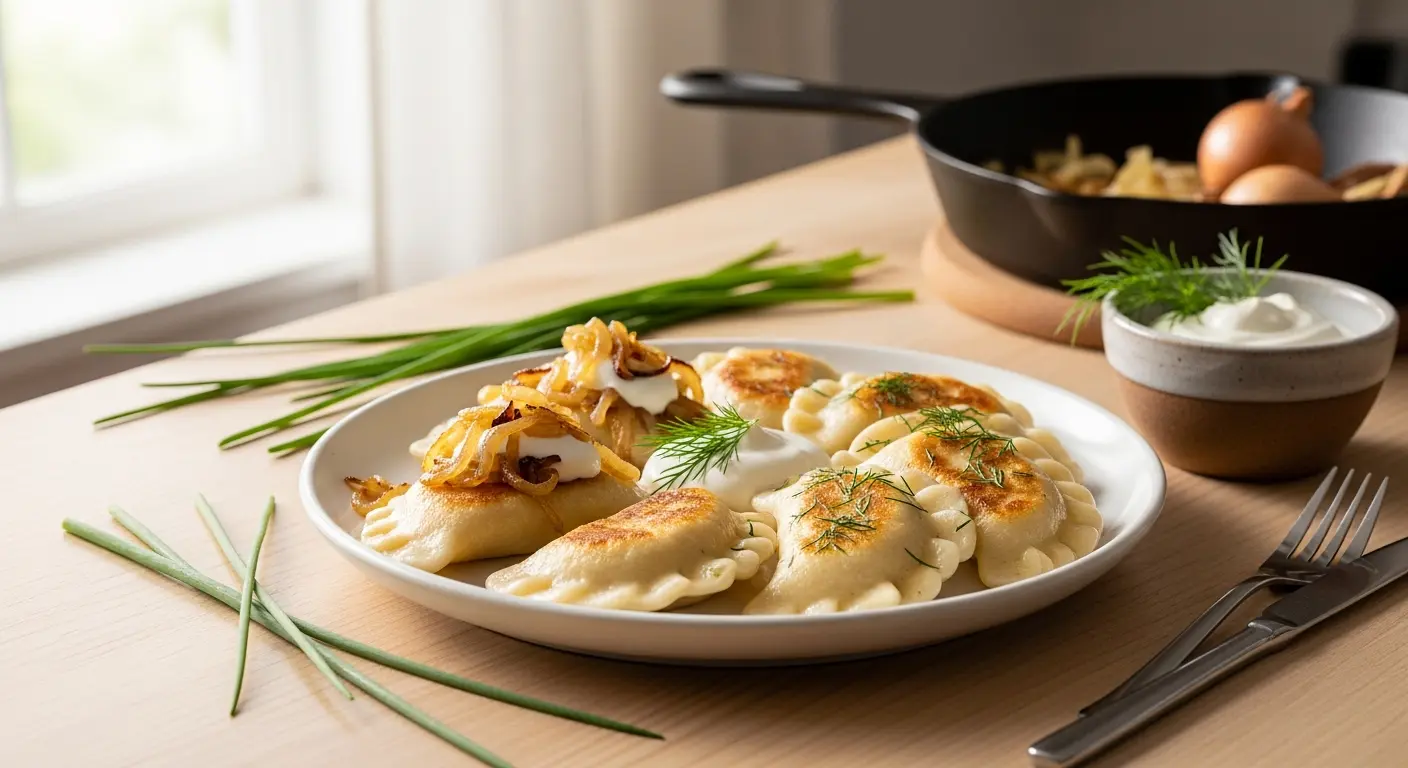
Pair your pierogis with crisp sautéed onions or caramelized shallots for a sweet-savory accent.For sauces, tangy sour cream with fresh dill or a radiant mustard cream sauce create beautiful contrasts. Complement with pickled vegetables,like beets or cucumbers,to add crunch and acidity. For beverages, a chilled non-alcoholic cider, herbal teas, or classic Polish kompot-fruit stewed juices-bring authenticity and balance to the meal.
| Nutrient | Per Serving (4 pierogis) |
|---|---|
| Calories | 320 kcal |
| Protein | 11 g |
| Carbohydrates | 45 g |
| Fat | 8 g |

Discover More
To deepen your thankfulness and explore even broader Eastern European dumpling traditions, visit our Eastern European dumplings guide. For authentic Polish culinary heritage and cultural context, check out the Culture.pl Polish Cuisine overview.
Q&A
Q&A: Pierogis Unwrapped – Your Ultimate Guide to Polish Delights
Q1: What exactly is a pierogi?
A1: A pierogi is a charmingly simple yet incredibly satisfying Polish dumpling,made from tender dough and lovingly filled with a variety of savory or sweet fillings.Think of them as little pillows packed with delicious surprises-ready to be boiled, baked, or pan-fried to golden perfection.
Q2: What are some classic fillings for pierogis?
A2: The traditional Polish kitchen showcases an array of fillings-from creamy mashed potatoes and farmer’s cheese to sautéed mushrooms and caramelized onions. For those with a sweet tooth, fillings like sweetened fruit preserves, blueberries, or even sweet cheese make for joyous desserts.
Q3: How are pierogis traditionally cooked?
A3: Pierogis typically start their journey in boiling water until they gently float to the surface, signaling they’re cooked through. From there, many aficionados love to pan-fry them in butter or oil to create a crispy, golden crust that’s simply irresistible.
Q4: Are pierogis always savory?
A4: Not at all! While the savory pierogi reign supreme in many households, the sweet versions hold a beloved spot on dessert tables. Blueberry, cherry, or sweet cheese-filled pierogis dusted with powdered sugar offer a delightful finale to any Polish feast.
Q5: Can pierogis be made gluten-free or vegan?
A5: Absolutely! by swapping traditional wheat flour for gluten-free alternatives like rice or buckwheat flour, pyrohy can be tailored to suit gluten-free diets.Vegan pierogis omit dairy and eggs in the dough and incorporate plant-based fillings such as mushrooms, cabbage, or potato with herbs, preserving their soulful essence.
Q6: What’s the best way to serve pierogis?
A6: Serve them hot,straight from the pan,topped with a dollop of tangy sour cream,sautéed onions,fresh herbs,or a drizzle of browned butter. For sweet pierogis, a sprinkle of cinnamon sugar or a scoop of creamy ice cream turns each bite into a celebration.
Q7: Is making pierogis at home difficult?
A7: Like any homemade treasure,pyrohy do require a bit of patience and love. Once you master the dough and folding technique, however, the process becomes an enjoyable ritual-a creative dance of rolling, filling, and shaping that connects you to centuries of Polish tradition.
Q8: What cultural importance do pierogis hold in Poland?
A8: Pierogis are much more than food-they’re edible history. They embody Polish warmth, family gatherings, and celebration. Often made during holidays and special occasions, pierogis bring people together, serving as a delicious symbol of heritage and hospitality.
Q9: How can I experiment with pierogi fillings while staying true to their spirit?
A9: The beauty of pierogis lies in their versatility! Explore seasonal veggies like roasted squash or spinach with herbs, or try combining potatoes with caramelized onions and a hint of nutmeg. The key is balancing textures and flavors that complement the soft dough, always aiming for a cozy, comforting bite.
Q10: Where can I find pierogis if I don’t want to make them from scratch?
A10: Many Polish delis, specialty markets, and farmer’s markets carry fresh or frozen pierogis crafted with care. Seeking out authentic pierogis from a local vendor can be a delightful shortcut to savoring this cultural delight without the kitchen work. Just remember to reheat them gently, so their tender charm remains intact.
in Conclusion
As we close the chapter on our flavorful journey through the world of pierogis, one thing is clear: these humble Polish pockets are far more than just a comfort food. They are a vibrant tapestry of history, tradition, and culinary creativity all wrapped in tender dough. Whether you prefer them boiled, fried, or smothered in caramelized onions, pierogis invite you to savor the stories and flavors of Poland with every bite. So next time you unwrap one of these delightful parcels, remember-you’re not just enjoying a meal, you’re tasting a piece of heritage, lovingly folded and cooked to perfection. Pierogis, truly, are a delicious bridge between past and present, waiting to be discovered bite by bite.