

In the heart of mediterranean cuisine lies a duo that has delighted palates for centuries: pita bread and tzatziki. This humble pairing, simple in appearance yet rich in history and flavor, embodies the essence of the region’s vibrant culinary heritage. From bustling street markets in Greece to cozy family kitchens across the Mediterranean basin, pita and tzatziki come together in a perfect dance of textures and tastes-soft, warm pockets meeting cool, creamy cucumber-infused yogurt. In this article, we’ll unveil the story behind this iconic combination, explore its cultural importance, and discover why pita and tzatziki continue to captivate food lovers worldwide as an irresistible Mediterranean duo.
Pita Bread & Tzatziki: A Perfect Mediterranean Duo Unveiled brings together two iconic elements of Mediterranean cuisine that have nourished cultures and delighted palates for centuries. Originating from the Levant and Greek regions respectively, thes timeless staples are more than simple foods-they are symbols of community, tradition, and vibrant flavor. The story of pita bread, with its warm, soft pockets and versatility, intertwines beautifully with the cool, creamy freshness of tzatziki, a herbaceous yogurt sauce enriched with cucumber and garlic. Together, they create an authentic taste experience that embodies the sun-drenched landscapes and rich culinary heritage of the Mediterranean basin.
Prep and Cook Time
- Readiness: 25 minutes
- Proofing: 1 hour
- Cooking: 10 minutes
- Total Time: Approximately 1 hour 35 minutes
Yield
6 medium-sized pita breads and about 1 cup of tzatziki sauce (serves 4-6)
Difficulty Level
Medium – Requires some patience for dough proofing and balancing the flavors of tzatziki.
Ingredients
- Pita Bread:
- 3 cups all-purpose flour, sifted
- 1 cup warm water (about 110°F / 43°C)
- 2 tsp active dry yeast
- 1 tsp sugar
- 1 tsp salt
- 1 tbsp olive oil, plus more for brushing
- Tzatziki Sauce:
- 1 cup full-fat Greek yogurt
- 1/2 large cucumber, grated and drained
- 2 garlic cloves, finely minced
- 1 tbsp extra virgin olive oil
- 1 tsp fresh lemon juice
- 2 tbsp fresh dill, finely chopped
- Salt and freshly ground black pepper, to taste
Instructions
- Activate the yeast: In a small bowl, combine warm water, sugar, and yeast. Stir gently and allow to stand for 5-10 minutes until frothy and bubbly.
- Make the dough: In a large mixing bowl, whisk flour and salt together. Create a well in the center and pour in the yeast mixture and olive oil.Mix with a wooden spoon until dough starts to form, than knead on a lightly floured surface for about 8-10 minutes until soft, smooth, and elastic. Add small amounts of flour if too sticky.
- First rise: Form dough into a ball and place it in a lightly oiled bowl, turning once to coat. Cover with a damp cloth or plastic wrap and let it rise in a warm spot for about 1 hour, or until doubled in size.
- Shape the pitas: Punch down the risen dough and divide into 6 equal pieces. Roll each piece into a ball and then flatten into a 6-inch wide circle, about 1/4 inch thick. Let rest for 10 minutes under a cloth.
- Cook the pita: Preheat a cast-iron skillet or non-stick pan over medium-high heat. Place a dough circle in the hot skillet and cook for 2-3 minutes, until bubbles form. Flip and cook another 2 minutes. The pita should puff up, creating the iconic pocket. Repeat with remaining dough.
- Prepare the tzatziki: While pitas cook, squeeze excess liquid from grated cucumber using a clean kitchen towel or cheesecloth. In a bowl, combine Greek yogurt, drained cucumber, minced garlic, olive oil, lemon juice, and dill. Stir well and season with salt and pepper to taste. Chill in the fridge for best flavor amalgamation.
- Final touch: Brush warm pita breads lightly with olive oil and cover with a clean towel to keep soft until serving.
Tips for Success
- Hydration is key: Slightly sticky dough increases tenderness and puffing ability.Resist the urge to add too much flour.
- Proof in a warm place: Yeast loves warmth; if your kitchen is chilly, place the bowl near a heater or inside an oven with just the light on.
- Ensure cucumber is well-drained: Excess moisture in tzatziki can dilute flavors and make it watery. Squeeze firmly!
- customize the herb blend: Try mint or parsley alongside or rather of dill for varying traditional tastes.
- Make ahead & storage: Both pita bread and tzatziki keep well. Store baked pitas wrapped in foil or an airtight bag. Refrigerate tzatziki for up to 3 days.
Serving Suggestions
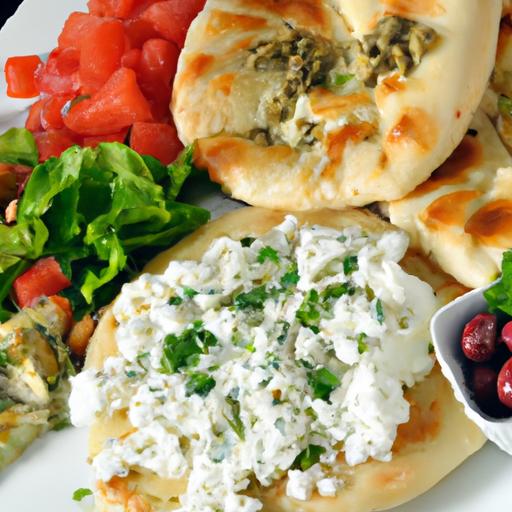
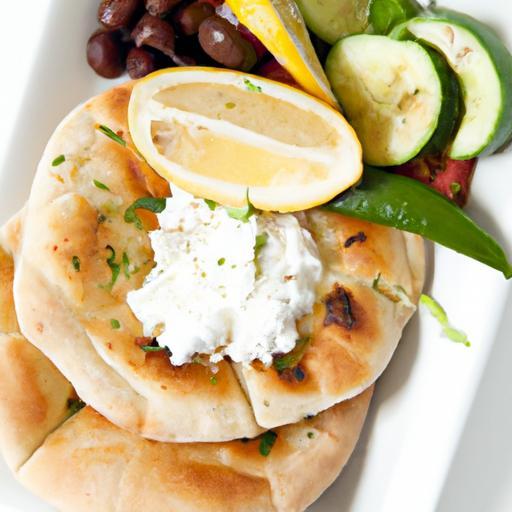
Present pita bread gently sliced or folded alongside a bowl of chilled tzatziki.Garnish your serving plate with fresh herbs, a drizzle of extra virgin olive oil, and a sprinkle of smoked paprika or sumac for a pop of colour and aroma. these pair beautifully with grilled vegetables, falafel, or spiced kebabs for a true Mediterranean feast. For an inviting texture contrast, add toasted pine nuts or a few kalamata olives on the side.Serve with a crisp, fresh salad and lemon wedges to elevate the experience.

Nutrition Details per Serving (Approximate)
| Nutrient | calories | protein | Carbs | Fat |
|---|---|---|---|---|
| Per pita bread (without tzatziki) | 165 | 5g | 33g | 2g |
| Per 2 tbsp tzatziki | 30 | 2g | 2g | 2g |
For further inspiration on wholesome Mediterranean bread and dips, check out our Mediterranean recipes collection, or visit the Encyclopaedia Britannica’s entry on Pita Bread for a deep dive on its history.
Q&A
Q&A: Pita Bread & Tzatziki – A Perfect Mediterranean Duo Unveiled
Q1: What makes pita bread an essential part of Mediterranean cuisine?
A1: Pita bread is much more than just a simple flatbread; it’s a culinary icon of the Mediterranean. Its unique pocket-like structure is perfect for stuffing with vibrant ingredients, making it both versatile and convenient. Baked at high heat,pita develops a soft,chewy texture with just enough char to add depth of flavor-ideal for scooping,dipping,or wrapping.
Q2: How is traditional tzatziki made, and what sets it apart from other dips?
A2: Tzatziki is a creamy, tangy dip crafted from Greek yogurt, fresh cucumber, garlic, olive oil, lemon juice, and aromatic herbs like dill or mint. Its cool, refreshing profile comes from the cucumber’s crunch and the garlic’s pungent kick, balanced by the creamy tang of yogurt. Unlike many heavier dips, tzatziki’s lightness and bright flavors make it an irresistible palate cleanser alongside warm, fluffy pita.
Q3: Why do pita bread and tzatziki pair so well together?
A3: The marriage of warm, slightly charred pita and cool, herbaceous tzatziki is a harmony of textures and temperatures. The softness and mild sweetness of the bread create the perfect vessel for the refreshing, garlicky dip. Each bite delivers a delightful contrast-earthy bread meets vibrant yogurt-making the experience uniquely satisfying.
Q4: Are there regional variations of pita and tzatziki across the Mediterranean?
A4: Absolutely! While pita bread’s pocket is common in many countries, some regions enjoy it thicker or thinner, sometiems with different baking techniques that influence texture. Tzatziki also varies: in some places, lemon juice may replace vinegar for acidity, or dill may take a backseat to mint. Despite the differences, the core essence of cool, creamy yogurt and fresh cucumber remains a treasured constant.
Q5: Can pita and tzatziki be enjoyed beyond traditional presentations?
A5: Definately! beyond serving as a simple dip, tzatziki can jazz up grilled vegetables, chicken kebabs, or even roasted legumes. Pita bread can be transformed into crispy chips or used as a base for Mediterranean pizzas. Together, they invite creativity, allowing you to explore Mediterranean flavors in endless, appetizing ways without losing their soul.
Q6: How do homemade pita bread and tzatziki compare to store-bought versions?
A6: Making pita and tzatziki at home adds a personal touch and freshness that’s hard to beat.Freshly baked pita boasts a fluffier interior and a more delicate crust, while homemade tzatziki bursts with vibrant flavors from hand-grated cucumber and freshly minced garlic. store-bought options are convenient, but crafting these staples yourself unlocks a deeper connection to Mediterranean traditions and flavors.
Q7: What tips can enhance your homemade tzatziki experience?
A7: To elevate your tzatziki, start by draining the grated cucumber well to avoid watery dip. Use thick greek yogurt for creaminess and add garlic gradually to find your perfect pungency. Fresh herbs like dill or mint should be finely chopped and folded in last to maintain their brightness. A splash of good-quality olive oil and a pinch of sea salt finish the dip with richness and balance.
Q8: Is pita with tzatziki a healthy choice?
A8: Yes! Pita bread paired with tzatziki offers a balanced snack or meal option. Pita provides satisfying carbohydrates and fiber, especially when made from whole wheat. Tzatziki,rooted in yogurt and fresh veggies,delivers protein,probiotics,and hydration with minimal fat. Together, they create a nourishing combo that’s light yet filling-perfect for anyone seeking wholesome Mediterranean goodness.
In Summary
As we close this flavorful journey through the heart of Mediterranean cuisine, it’s clear that pita bread and tzatziki are more than just ingredients-they are a harmonious duo that tells a story of tradition, culture, and culinary ingenuity.Whether you’re dipping,wrapping,or savoring them side by side,this iconic pairing brings a refreshing balance of textures and tastes that continue to captivate palates around the world. So next time you crave a bite of the Mediterranean,remember that sometimes the simplest combinations-like warm,fluffy pita and cool,tangy tzatziki-offer the most unforgettable experiences.Dive in, explore, and let this perfect duo inspire your own kitchen adventures.