

in the realm of French pâtisserie, few delights capture both the eye adn palate quite like the cheese gougère. These golden, puffy pastries are more than just delectable appetizers; they are a harmonious dance of art and science, where precise technique meets the joyful alchemy of ingredients. “Puffy Perfection: The Art and Science of Cheese Gougères” delves into the secrets behind their airy interiors and crisp, savory exteriors-unraveling how simple components transform into ethereal bites that have charmed gourmets for centuries. Whether you’re a seasoned baker or an adventurous foodie, join us as we explore the magic that makes gougères a timeless masterpiece of culinary craft.
Puffy Perfection: The Art and Science of Cheese Gougères
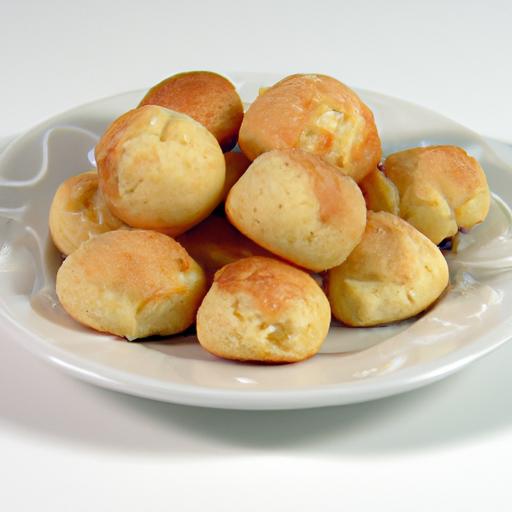
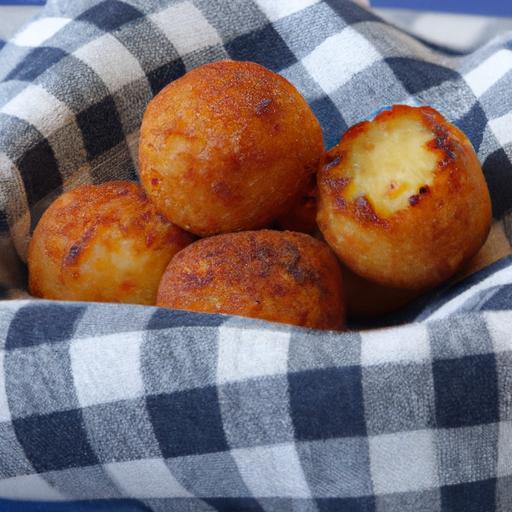
Puffy perfection is the hallmark of these irresistible cheese gougères, a French classic that captivates with its light, airy choux pastry blended seamlessly with rich, savory cheese.Originating from Burgundy, these delicate puffs have a magical way of elevating any gathering or quiet indulgence. Creating the perfect gougères means mastering the science behind the choux dough’s puffiness and marrying it with the boldest cheese notes – a harmonious balance that thrills the palate and delights the eyes.
Prep and Cook Time
- Preparation: 15 minutes
- cooking: 30 minutes
- Total Time: 45 minutes
Yield
Makes approximately 30 gougères (1-inch diameter)
Difficulty Level
Medium – Requires attention to detail but yields impressive results
Ingredients
- 1 cup whole milk
- 8 tbsp (1 stick) unsalted butter, cut into cubes
- 1/2 tsp salt
- 1 cup all-purpose flour, sifted
- 4 large eggs, at room temperature
- 1 1/2 cups grated Gruyère cheese, packed
- 1/4 tsp freshly grated nutmeg (optional)
- Freshly ground black pepper, to taste
Instructions
- Heat the milk, butter, and salt: In a medium saucepan over medium heat, combine the milk, butter cubes, and salt. Bring to a boil, stirring occasionally to melt the butter completely.
- Incorporate the flour: Remove the saucepan from the heat and quickly add the sifted flour all at once. using a wooden spoon or spatula,vigorously stir until the mixture pulls away cleanly from the sides and forms a smooth dough ball. This should take about 1-2 minutes.
- Dry the dough: Return the saucepan to low heat and cook, stirring constantly for 1-2 minutes to dry the dough – key to achieving the ideal puff.
- Cool slightly before adding eggs: Transfer the dough to a mixing bowl and let it cool for 3-5 minutes. You want it warm but not hot enough to cook the eggs.
- Beat in the eggs: Using a hand mixer or wooden spoon, add the eggs one at a time, mixing thoroughly after each addition. The dough will look like it’s separating at first, but keep mixing until it becomes glossy and smooth – a sign it’s ready.
- fold in the cheese and spices: Gently incorporate the grated gruyère cheese, freshly ground black pepper, and nutmeg (if using). fold until evenly distributed but don’t overmix.
- Pipe or spoon dough onto a baking sheet: Line a baking tray with parchment paper. Using a piping bag (or two spoons), form small mounds roughly 1-inch in diameter spaced about 2 inches apart.
- Bake to puffy perfection: Bake in a preheated oven at 375°F (190°C) for 25-30 minutes until golden, puffed, and crisp on the outside. Avoid opening the oven door during baking to prevent collapse.
- Cool slightly before serving: Transfer the gougères to a wire rack to cool for 5 minutes – they are best enjoyed warm and fresh out of the oven.
Tips for Success: Mastering Puffy Perfection
- selecting your cheese: Gruyère’s nutty and melting qualities make it the gold standard, but Emmental or Comté can offer delightful variations in flavour and texture.
- Egg incorporation: Adding eggs slowly and patiently is crucial for that perfect dough elasticity that traps the steam needed for rising.
- Moisture matters: Drying out the dough on low heat eliminates excess moisture ensuring the gougères rise beautifully rather than fall flat.
- Oven temperature: A hot oven jump-starts steam production in the dough, delivering that iconic puff. Do not open the door during baking.
- Make-ahead: Gougères can be baked a day ahead and reheated in a hot oven (350°F/175°C) for 5 minutes to regain crispness.
Serving Suggestions to Impress
serve these golden bites as elegant appetizers, paired with a crisp sparkling drink or your favorite non-alcoholic refreshment. Garnish with a sprinkle of fresh herbs such as chives, thyme, or finely chopped parsley for a burst of color and fresh aroma. For a savory bite, offer alongside a shining tomato dip or an herbed crème fraîche.These charming gougères also shine on brunch platters or as a delightful party snack.
| Nutrient | Per Serving (1 gougère) |
|---|---|
| Calories | 75 kcal |
| Protein | 3 g |
| Carbohydrates | 5 g |
| Fat | 5 g |

Embark on your journey to choux excellence with this recipe and savor the delightful dance of textures and flavors. For more innovative French-inspired bites, explore our French Cuisine Classics collection and immerse yourself in culinary artistry.
Q&A
Q&A: Puffy Perfection – The Art and Science of Cheese Gougères
Q1: what exactly are cheese gougères?
A: Cheese gougères are delightful French pastry puffs made from choux pastry enriched with cheese. They’re golden, airy, and irresistibly cheesy bites that balance a crisp exterior with a light, tender interior. Often enjoyed as an appetizer or snack, gougères showcase how simple ingredients transform into somthing truly magical through technique.Q2: How does choux pastry work its puffing magic?
A: The secret lies in steam! Choux pastry is cooked twice – first on the stovetop to form a thick batter, then baked at high heat. The moisture inside the dough turns to steam in the oven, causing the pastry to puff dramatically, creating hollow centers perfect for a light, airy texture.
Q3: What cheeses work best in gougères,and why?
A: traditional gougères often feature Gruyère,known for its nutty,slightly sweet flavor and good melting qualities. Comté, Emmental, or aged cheddar can also be stunning choices, each imparting unique aromatic notes and creaminess. The ideal cheese melts smoothly and adds a flavorful punch without overwhelming the delicate pastry.
Q4: Can the dough be made ahead, or is it best fresh?
A: The choux dough can be prepared a few hours in advance and refrigerated. When ready to bake, bring it back to room temperature and give it a gentle stir. This convenience helps ease the process without sacrificing puffiness or texture.
Q5: Why is it important to cook the flour and water mixture thoroughly before adding eggs?
A: Cooking the flour with water (and butter) removes excess moisture, forming a paste that sets the stage for light, stable puffs. This step gelatinizes the starches, ensuring the dough can trap steam effectively and rise beautifully without collapsing.
Q6: How can you tell when gougères are perfectly baked?
A: Look for a golden-brown, crispy shell with no soggy spots. The puffs should sound hollow when tapped and have fully expanded, standing tall like little cheeseblooms. Baking time and temperature are crucial to drying them out sufficiently, so they maintain their puff after cooling.
Q7: Are there creative twists on traditional cheese gougères?
A: Absolutely! While cheese takes center stage, subtle additions like finely chopped herbs (thyme, chives), crushed black pepper, or a hint of garlic powder can elevate the flavor profile. There’s art in balancing these extras so the gougères remain light and cheesy rather than heavy.
Q8: what common mistakes should be avoided when making gougères?
A: Overmixing the dough after adding eggs can deflate it; undercooking the flour-water mixture leads to soggy puffs; opening the oven too early causes collapse; and using cold eggs makes the dough hard to incorporate smoothly. Attention to detail at each step is the pathway to puff perfection.
Q9: Can gougères be frozen?
A: Yes! You can freeze baked gougères by placing them in a single layer on a tray, then transferring to an airtight container once frozen.Reheat briefly in a hot oven to revive their crispness. Alternatively,raw piped dough can be frozen and baked fresh from frozen,making last-minute entertaining easier.
Q10: Why have cheese gougères remained a beloved culinary classic through the centuries?
A: Their timeless appeal lies in simplicity elevated by technique – humble ingredients transformed by science into irresistible, elegant bites. Gougères are a testament to the beauty of French pastry craftsmanship: light, flavorful, and endlessly adaptable to occasions from casual to celebratory.
Concluding Remarks
As the last warm, airy bite of a cheese gougère melts away, we are reminded that this humble french pastry is much more than just a savory snack. it is a delicate dance of precise technique and thoughtful science, where flour, butter, eggs, and cheese unite in a symphony of texture and flavor.Whether you’re a seasoned baker or a curious culinary adventurer, mastering the art of the gougère invites you to explore the delicious intersection of tradition and innovation. So next time you pull a tray of these golden puffs from the oven, savor not only their irresistible taste but also the craft and chemistry that make them truly puffy perfection.