

theres something undeniably comforting about a perfectly roasted chicken-the golden, crispy skin crackling beneath your knife, the tender, juicy meat that melts in your mouth. But what truly elevates this classic dish from simple to spectacular is the accompanying gravy: rich, silky, and bursting with savory depth. Mastering the perfect roast chicken and velvety gravy is an art that marries technique with intuition, transforming a humble meal into a memorable feast. In this guide, we’ll unravel the secrets behind achieving that flawless roast and crafting gravy so luscious it could steal the spotlight-all while empowering you with tips and tricks to bring restaurant-quality flavor right to your kitchen table.
Mastering the perfect Roast Chicken and Velvety Gravy begins with selecting the right bird and prepping it meticulously to achieve that coveted crispy skin while locking in luscious, juicy meat. The secret lies in the balance of technique and quality ingredients, transforming an ordinary roast into a memorable centerpiece. with roots tracing back to timeless homestyle comfort food, this roast chicken recipe resonates universally-infused with simplicity yet elevated by expert touches that every cook can master.
Prep and Cook Time
Preparation: 20 minutes
Roasting: 1 hour 15 minutes
Resting: 15 minutes
total Time: 1 hour 50 minutes
Yield
Serves 4 to 6 hungry guests
Difficulty Level
Medium – approachable for confident home cooks ready to impress
Ingredients
- 1 whole chicken (about 4 to 5 pounds), preferably free-range or organic
- 2 tablespoons unsalted butter, softened
- 1 tablespoon olive oil
- Kosher salt and freshly ground black pepper, to taste
- 1 lemon, halved
- 4 garlic cloves, smashed
- Fresh herbs such as rosemary, thyme, and parsley (about 3 sprigs each)
- 1 large onion, quartered
- 2 cups low-sodium chicken broth
- 2 tablespoons all-purpose flour, sifted
- optional: 1 teaspoon smoked paprika (for extra warmth and color)
Instructions
- Prepare the chicken: Remove any giblets from the cavity.Pat the chicken entirely dry with paper towels; dry skin is key for crispy roasting.
- Season inside and out: Generously salt and pepper the cavity. Stuff it with lemon halves, garlic cloves, and fresh herb sprigs for aromatic depth.
- Butter and oil: Rub the softened butter all over the chicken skin,then drizzle and rub olive oil evenly. For extra flavor, gently loosen the skin over the breasts and thighs, inserting some butter beneath. Sprinkle smoked paprika over the skin if using.
- truss the bird: Tie the legs together using kitchen twine and tuck the wing tips under the bird to ensure even cooking and a neat presentation.
- Prepare the roasting pan: Scatter the onion quarters and remaining herbs in the bottom of a roasting pan. Place the chicken breast-side up on a rack above the aromatics to allow heat circulation.
- Roast: Preheat your oven to 425°F (220°C). Roast the chicken for 15 minutes at high heat to jumpstart crisping the skin. Lower the oven temperature to 375°F (190°C) and continue roasting for 50 to 60 minutes more, or untill an instant-read thermometer inserted into the thickest thigh reads 165°F (74°C).
- Rest the chicken: Remove from the oven and tent loosely with foil.Let rest 15 minutes before carving. This step seals in juices for tender meat.
- Make the gravy: While the bird rests, pour pan drippings through a fine mesh strainer into a saucepan, discarding solids. Skim excess fat off the top. add 2 tablespoons of flour to the drippings and whisk over medium heat for 2 minutes until golden and nutty.
- Add broth: Gradually whisk in chicken broth,scraping the pan bottom to dissolve browned bits. Simmer until the gravy thickens and coats the back of a spoon, about 5 to 7 minutes. Season with salt and pepper to taste.
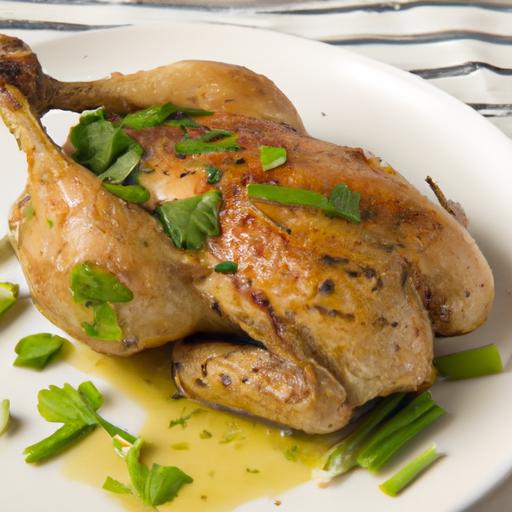
- Serve: Carve the chicken,drizzle with the velvety gravy,and garnish with fresh herbs and lemon wedges for brightness.
Tips for Success
- ensure dry skin: Before roasting, let the chicken sit uncovered in the fridge for a few hours, or even overnight, to dry out skin for superior crispiness.
- Temperature is vital: Using a meat thermometer helps achieve that perfect juicy doneness without guesswork.
- Butter under skin: This method creates an extra moist and flavorful bite while aiding skin crisping.
- Gravy texture: If the gravy is too thick, whisk in a splash more broth; if too thin, simmer a few more minutes.
- Make ahead: Roast the chicken a few hours in advance,then reheat gently in a low oven before serving. Prepare the gravy just before serving to keep it fresh and glossy.
serving Suggestions
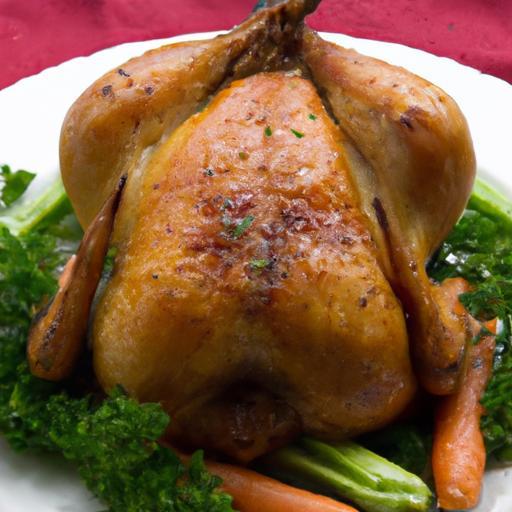
Present your roast chicken on a rustic platter surrounded by roasted root vegetables or a vibrant green salad for contrast. A sprinkle of fresh thyme leaves and a few lemon slices elevate the visual appeal and refresh the palate. Pair the dish with creamy mashed potatoes-perfect for soaking up any extra gravy. Consider warming crusty artisan bread on the side to round out the feast.

| Nutrient | Per Serving |
|---|---|
| Calories | 420 kcal |
| Protein | 45 g |
| Carbs | 4 g |
| fat | 22 g |
For a deeper dive into advanced roasting techniques and complementary vegetable side recipes, explore our guide. To enrich your culinary knowledge, visit the Culinary Institute of America for professional insights.
Q&A
Q&A: Mastering the Perfect Roast Chicken and velvety Gravy Guide
Q1: What’s the secret to roasting a chicken with crispy, golden skin?
A1: The magic lies in drying the skin thoroughly before roasting and seasoning generously with salt.A light coat of oil or melted butter helps achieve that irresistible crunch. Roasting at a high temperature initially-around 425°F (220°C) for the frist 20 minutes-seals in juices and crisps the skin. Then lowering the heat ensures the meat cooks evenly without drying out.
Q2: How can I keep roast chicken meat tender and juicy every time?
A2: Brining your chicken-a soak in a saltwater solution-before roasting guarantees moist meat by enhancing its ability to retain moisture. Alternatively, letting the bird rest at room temperature for 30 minutes before cooking and basting occasionally with its own juices during roasting will also promote tenderness. Remember, allowing it to rest after cooking (at least 10-15 minutes) lets the juices redistribute beautifully.
Q3: What role do aromatics play in roasting chicken?
A3: Aromatics like garlic, lemon, fresh herbs (thyme, rosemary), and onion elevate the flavor landscape dramatically. Stuffing the cavity with these ingredients imparts subtle,fragrant hints that permeate the meat from within,infusing every bite with depth without overpowering the natural chicken essence.
Q4: How do I make gravy that’s rich, smooth, and full of flavor using roast chicken drippings?
A4: Begin by carefully straining the pan drippings to separate out solids, then deglaze the roasting pan with warm broth or stock (chicken or vegetable). Whisk in a roux made from butter and flour, cooking just long enough to eliminate the raw flour taste. Slowly whisk in the strained liquid, simmer gently, and season with salt and pepper. For extra silkiness, a touch of cream or a knob of butter added at the end transforms the gravy into pure velvet.
Q5: Can I roast the chicken and prepare gravy simultaneously without sacrificing timing or quality?
A5: Absolutely! after transferring the rested chicken to a serving platter, use the hot roasting pan on the stovetop to start your gravy, capitalizing on the flavorful browned bits left behind. It’s efficient and ensures your gravy is freshly made and piping hot,perfectly complementing your bird.
Q6: Are there any common mistakes to avoid when roasting chicken and making gravy?
A6: Yes! Overcrowding the roasting pan leads to steaming instead of roasting, preventing crispy skin. Skipping the resting step results in juices escaping the meat. For gravy, adding cold liquid too quickly causes lumps, and neglecting to taste and adjust seasoning leaves it bland. Patience and attention at every step are key.
Q7: How can I add a depth of flavor to my gravy without additional meat products?
A7: Caramelizing minced shallots or garlic in butter before whisking in flour adds complexity. Incorporating herbs such as thyme or bay leaf during simmering infuses subtle earthiness. A splash of tangy balsamic vinegar or a squeeze of fresh lemon juice at the finish brightens the gravy, balancing richness without overwhelming it.
Q8: How much seasoning is ideal when roasting chicken and making gravy?
A8: Generous but balanced-season the chicken inside and out with salt and freshly ground black pepper before roasting. For gravy, start with modest seasoning, then taste and adjust. Remember, the goal is to harmonize the natural flavors, not mask them.
Q9: can I prepare the perfect roast chicken and gravy ahead of time?
A9: You can roast the chicken ahead and gently reheat it, but to enjoy crispy skin, it’s best served fresh.Gravy can be made in advance and reheated slowly over low heat,whisking in a splash of broth if it thickens too much. This approach frees up time during your meal without sacrificing quality.
This Q&A taps into the art and science behind roast chicken and gravy, helping cooks achieve delicious, extraordinary results while honoring tradition with thoughtful, practical tips.
Future Outlook
With your newfound expertise in crafting the perfect roast chicken and velvety gravy, the kitchen transforms from a simple space into a stage for culinary artistry. Remember, great cooking is as much about patience and attention as it is about flavor and technique. So, whether your preparing a humble weeknight dinner or a festive feast, this guide equips you to impress with juicy, golden-skinned chicken and gravy that whispers comfort in every spoonful. Now, it’s time to gather your ingredients, ignite your passion, and let your roast chicken reign supreme at the table-because mastering these classics is truly a delicious journey worth savoring.