

There’s something magical about roasted vegetables-their edges turn irresistibly crispy, their natural sugars caramelize into pockets of sweetness, and their flavors deepen with every minute in the oven. But what if you could achieve that perfectly golden, flavorful roast without a drop of oil? Welcome to the art of oil-free roasting-a technique that unlocks vibrant textures and rich tastes while keeping your dish light and wholesome. In this article, we’ll explore creative tips and tricks to transform humble vegetables into a crispy, flavor-packed sensation, proving that you don’t need oil to create culinary magic in your kitchen.
Mastering Texture Without Oil: Unlocking Natural Sugars for Deep Roasted Flavor Choosing the Right Vegetables for Ultimate Crispiness Perfect Techniques to achieve Golden Perfection Every Time
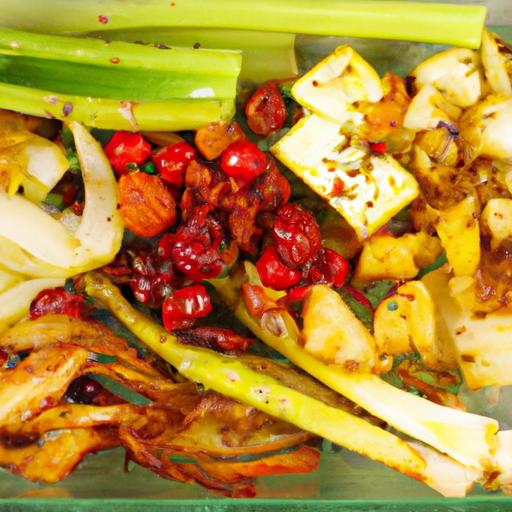
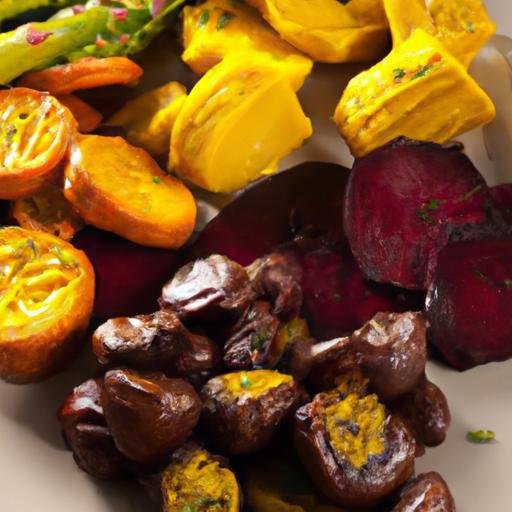
Crispy & Flavorful: How to Roast Vegetables Oil-Free is the ultimate approach to transforming humble veggies into irresistibly golden, crunchy delights without a drop of oil. Roasting vegetables oil-free allows their natural sugars to caramelize deeply, revealing rich, complex flavors and textures that rival any oil-roasted dish. This method is perfect for those seeking a healthier alternative or who want to savor the pure essence of fresh produce in every bite.
My journey to mastering this technique began during a summer of experimenting with roasting root vegetables while traveling through Mediterranean markets. With every batch, I discovered the perfect balance of vegetable selection, heat, and timing to coax out maximum crispiness and flavor. Let me guide you through this process so you can create stunning, vibrant, and naturally flavorful roasted vegetables every single time.
Prep and Cook Time
- Preparation: 15 minutes
- Cooking: 35-45 minutes
- Total Time: 50-60 minutes
Yield
- Serves 4 as a side dish
Difficulty Level
- Easy to Medium
Ingredients
- 2 cups broccoli florets, washed and thoroughly dried
- 2 cups cauliflower florets, small and uniform size
- 1 large carrot, peeled and cut into matchsticks
- 1 medium sweet potato, peeled and diced into 1-inch cubes
- 1 red bell pepper, seeded and sliced into strips
- 2 teaspoons garlic powder
- 1 teaspoon smoked paprika
- 1 teaspoon ground cumin
- Salt and freshly ground black pepper, to taste
- 2 tablespoons fresh lemon juice
- 2 tablespoons water
- 1 tablespoon balsamic vinegar (optional, for extra depth)
Instructions
- Preheat the oven to 425°F (220°C).Line a large baking sheet with parchment paper to prevent sticking.
- Dry your vegetables thoroughly. Residual moisture prevents crisping, so use a salad spinner or pat dry with clean towels.
- In a large mixing bowl, combine lemon juice, water, balsamic vinegar, garlic powder, smoked paprika, and ground cumin. Whisk until well blended. this mixture will help develop flavor and aid caramelization without oil.
- Add all vegetables to the bowl and toss thoroughly until well coated with the spice and lemon mixture.
- Arrange vegetables in a single layer on your prepared baking sheet,spacing them apart. Crowding retains steam and inhibits crispiness.
- Place in the oven and roast for 20 minutes. Then, use a spatula to flip the vegetables for even browning.
- Continue roasting for an additional 15-25 minutes until edges are deeply golden and crisp, and the natural sugars have caramelized fully. Time may vary depending on your oven and vegetable size.
- Remove from oven and let cool slightly to allow crispiness to set before serving.
Tips for Success
- Choosing the right vegetables: Denser vegetables like sweet potatoes, carrots, and cauliflower develop astonishing caramelization and crispness. Avoid watery vegetables such as zucchini or cucumber for this recipe unless sliced very thin and roasted briefly.
- Patience is key: Resist the urge to stir too frequently. Allow the vegetables to roast undisturbed to form that golden crust.
- Size matters: Uniform sizing ensures even cooking. Cut vegetables to similar thickness and dimensions for perfect texture.
- Use a high-quality baking sheet with raised edges to catch any drippings, making cleanup effortless.
- Make-ahead: Roast vegetables can be refrigerated in an airtight container for up to 3 days. Reheat in a hot pan or oven to revive crispiness.
- Flavor variations: swap spices like curry powder, za’atar, or chili flakes to customize profiles without oil.
Serving Suggestions
Serve these oven-roasted treasures as a vibrant side to grilled proteins or mixed greens. Garnish with freshly chopped herbs like parsley, cilantro, or chives for a fresh punch. A light drizzle of tahini sauce or a squeeze of fresh lemon enhances their bright notes perfectly. For an exciting twist, toss warm vegetables with cooked quinoa or brown rice to build a wholesome, nutrient-packed meal.
| Nutrient | Per Serving |
|---|---|
| Calories | 110 |
| Protein | 4g |
| Carbohydrates | 24g |
| Fat | 0g |
For more inspiration on roasting techniques,check out our guide to roasting root vegetables perfectly. To deepen your understanding of vegetable caramelization and chemical transformations during roasting,the ScienceDaily article on roasting chemistry offers fascinating insights.

Q&A
Q&A: Crispy & Flavorful – How to Roast Vegetables Oil-Free
Q1: Is it really possible to roast vegetables without oil and still get them crispy?
Absolutely! While oil helps with crispiness and flavor, it’s not the only way to achieve that sought-after roasted texture. Using high heat, proper seasoning, and some clever techniques, you can get wonderfully crispy vegetables without a drop of oil.
Q2: What’s the secret to achieving a crispy exterior without oil?
The key lies in managing moisture and heat. Pat your vegetables dry before roasting to reduce steam, roast on a hot baking sheet, and avoid overcrowding so air can circulate. You can also toss veggies in flavorful liquids like vegetable broth or citrus juice to help caramelize their natural sugars.
Q3: Which vegetables roast best without oil?
root vegetables such as carrots, beets, and sweet potatoes work beautifully thanks to their dense texture and natural sugars that caramelize well. Cruciferous veggies like cauliflower and Brussels sprouts also crisp nicely, especially when roasted on a high rack for better airflow.
Q4: How do I prevent vegetables from sticking to the pan without oil?
Using a non-stick baking sheet or lining your tray with parchment paper makes a big difference. You can also try using a silicone baking mat. another tip: preheat your baking sheet in the oven before adding the veggies to create an instant sear that discourages sticking.
Q5: Can I use seasoning to enhance the flavor of oil-free roasted vegetables?
Definately! Herbs, spices, garlic, lemon zest, smoked paprika, cumin, or nutritional yeast all work wonders. Toss them with a splash of acid like lemon juice or balsamic vinegar before roasting for an extra flavor punch.
Q6: How long should I roast vegetables oil-free, and at what temperature?
Roasting at 400°F to 425°F (about 200°C to 220°C) is ideal to promote caramelization and crispness. Times vary by vegetable, but typically 20 to 40 minutes works well. Flip or shake the veggies halfway through to ensure even cooking and browning.
Q7: Are there any other tricks to boost crispiness?
Yes! Adding a sprinkle of coarse salt before roasting draws out moisture, which helps the surface dry and crisp.You can also finish roasting under the broiler for 2-3 minutes-just watch carefully to prevent burning.
Q8: Can I combine vegetables with dry grains or seeds to add texture?
Absolutely! Toasted nuts, seeds, or even some cooked quinoa tossed post-roasting can add delightful crunch and contrast to your vegetable dish, making it more satisfying and wholesome.
Q9: How do I store leftover oil-free roasted vegetables?
cool them completely and store in an airtight container in the fridge. Leftover veggies can be reheated in a hot oven or air fryer to revive some crispiness, or enjoyed cold in salads and bowls.
Q10: does roasting vegetables oil-free affect their nutritional content?
Roasting generally retains moast nutrients and can even increase the bioavailability of certain antioxidants. Skipping oil reduces added calories and fats, making your roasted veggies a lighter and naturally nutrient-rich option.
Roasting without oil doesn’t mean sacrificing flavor or texture-just a little creativity and technique unlock the full crispy, caramelized potential of your veggies!
to sum up
As the aroma of perfectly roasted, crispy vegetables fills your kitchen-without a drop of oil-you’ll discover that vibrant flavor and satisfying textures don’t need added fat to shine.Mastering the art of oil-free roasting not only enhances the natural sweetness and earthiness of your veggies but also brings a wholesome, guilt-free touch to every bite. So next time you crave that golden, caramelized crunch, remember: with a few simple techniques, you can create a colorful, nourishing medley that’s as good for your palate as it is indeed for your health. Happy roasting!