

There’s something irresistibly comforting about a steaming bowl of ramen-the way the rich broth wraps around tender noodles, the medley of textures and flavors harmonizing in every bite. Now, imagine that same soul-soothing experience transformed into a vibrant, plant-powered masterpiece. Welcome to the world of vegan miso ramen, where conventional Japanese umami meets innovative, compassionate cooking. In this guide, we’ll unveil the secrets behind crafting this savory sensation, exploring the magic of miso, the art of layering flavors, and the fresh ingredients that bring every slurp to life. Whether you’re a seasoned vegan or simply curious about expanding your culinary horizons, prepare to savor a bowl of ramen that’s as nourishing as it is unforgettable.
Savor the Flavor: A Guide to Vegan Miso Ramen Magic begins with understanding the soul-stirring blend of fermented miso paste and it’s transformative role within vegan cooking. This beloved Japanese staple, rooted in centuries of tradition, imparts a depth of umami that elevates vegan dishes beyond expectation. The enchanting interplay of salty, nutty, and slightly sweet notes from miso creates a lush foundation for a broth that comforts as much as it excites the palate.
Prep and Cook Time
- Preparation: 20 minutes
- Cooking: 40 minutes
- Total Time: 1 hour
Yield
Serves 4 hearty bowls
Difficulty Level
Medium – Perfect for cooks ready to dive into layers of flavor and texture
Ingredients
- For the Broth:
- 6 cups vegetable broth, preferably homemade or low-sodium
- 1/4 cup white miso paste, packed
- 1 tablespoon tahini (optional, for creaminess)
- 2 tablespoons soy sauce or tamari (gluten-free option)
- 3 cloves garlic, minced
- 1 inch piece fresh ginger, grated
- 1 tablespoon toasted sesame oil
- 1 teaspoon dried shiitake mushroom powder or 4 whole dried shiitake mushrooms
- 1 small onion, halved
- 1 large carrot, sliced
- noodles and Toppings:
- 12 oz fresh or dried ramen noodles (check vegan label)
- 1 cup baby spinach leaves
- 1/2 cup sliced shiitake mushrooms, sautéed
- 1/2 cup corn kernels, steamed or roasted
- 1/2 cup bamboo shoots, drained
- 1 block (200g) firm tofu, pressed and pan-fried until golden
- 2 scallions, thinly sliced
- 1 sheet nori, torn into strips
- 1 tablespoon toasted sesame seeds
- Pickled ginger (optional, for brightness)
Instructions
- Prepare the Broth Base: In a large pot, heat the toasted sesame oil over medium heat. Add the minced garlic, grated ginger, and halved onion.Sauté for 5 minutes until fragrant and the onion begins to soften.
- Add Vegetables and Mushrooms: Stir in sliced carrots and dried shiitake mushrooms or mushroom powder. Cook for 3 more minutes to intensify flavors.
- Simmer the Broth: Pour in the vegetable broth and soy sauce. If using whole dried shiitake mushrooms,remove the onions and mushrooms after 30 minutes of simmering to maintain clarity,or leave them in for a rustic style. Simmer uncovered for 30 minutes on low heat.
- Incorporate Miso: Turn off the heat and whisk in the white miso paste and tahini (if using). Tip: Dissolve miso in a small bowl with some warm broth first to prevent clumps, then stir it into the pot gently. Avoid boiling post-miso addition to preserve probiotics and flavor.
- Cook Noodles: Meanwhile, cook the ramen noodles according to package instructions. Drain and rinse briefly under cold water to stop overcooking.
- Prepare Toppings: Pan-fry tofu cubes in a bit of sesame oil until golden and crisp on all sides. Sauté shiitake mushrooms separately until tender and slightly caramelized.
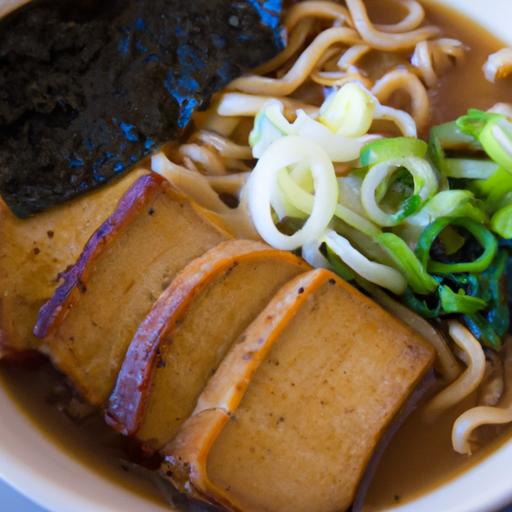
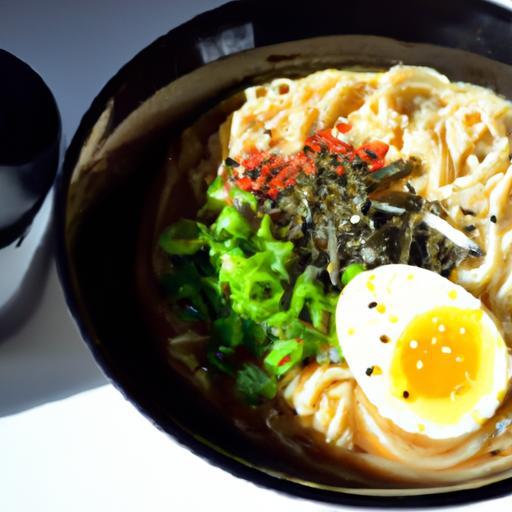
- Assemble the Bowls: Divide noodles equally among four bowls. Ladle the rich miso broth over the noodles carefully. Arrange tofu, baby spinach, corn, bamboo shoots, sautéed mushrooms, and scallions artfully on top.
- Garnish: Sprinkle toasted sesame seeds, nori strips, and add pickled ginger if desired. Serve immediately to savor the symphony of textures and flavors.
Tips for Success
- Broth Clarity: For a clearer broth, strain out solids before adding miso. For heartier texture, leave them in.
- Miso Varieties: Experiment with red or mixed miso for richer depth, balancing saltiness with sweetness or nuttiness as you prefer.
- Make Ahead: The broth can be prepared up to 3 days in advance and stored refrigerated. Reheat gently and add fresh miso paste at serving time.
- Alternative Proteins: Tempeh or seitan pan-fried with soy sauce make excellent substitutes or additions to tofu.
- Veggie Boost: Swap or add roasted root vegetables like kabocha squash for seasonal variety and natural sweetness.
Serving Suggestions
Serve your vegan miso ramen steaming hot in deep bowls to keep the broth warm.Garnish with vibrant green scallions and crisp nori strips that contrast beautifully with the creamy broth and golden tofu cubes. Pair with a side of crunchy kimchi or pickled vegetables for added zing. For an extra touch, provide fresh chili oil or chili flakes at the table, allowing each diner to tailor the heat to their liking.

| Nutrient | Per Serving |
|---|---|
| Calories | 420 kcal |
| Protein | 18 g |
| Carbohydrates | 55 g |
| Fat | 12 g |
For an inspiring deep dive into vegan broths, check out our comprehensive vegan broth mastery guide. To explore the fascinating health benefits and fermentation science behind miso, visit this authoritative food history source.
Q&A
Q&A: Savor the flavor – A Guide to Vegan Miso Ramen Magic
Q1: What makes miso ramen such a standout dish in the world of vegan cooking?
A1: Miso ramen is a delightful symphony of rich, savory flavors anchored by fermented miso paste. This umami powerhouse transforms simple ingredients into a deeply satisfying bowl of comfort. For vegans, it’s a canvas that celebrates plant-based ingredients without sacrificing depth or warmth, making it both nourishing and deliciously crave-worthy.
Q2: How do you create a vegan broth that rivals traditional ramen broths in flavor?
A2: The secret lies in layering plant-based umami! Start with vegetable stock enriched with kombu (kelp) and dried shiitake mushrooms to build a rich base.Add miso paste towards the end to preserve its complexity. Incorporate aromatics like garlic, ginger, and green onions, then simmer slowly to draw out vibrant, savory notes that feel hearty yet light.
Q3: What types of miso are best suited for vegan ramen, and how do they affect the final taste?
A3: Miso comes in a spectrum-from lighter, sweeter white miso (shiro) to robust, aged red miso (aka). White miso offers a gentle sweetness and creamy texture, perfect for a milder broth.Red miso, on the other hand, adds a bolder, earthier punch, giving the ramen a deeper, fermented richness. blending both can create a nuanced flavor balance that sings with every spoonful.
Q4: Which plant-based toppings elevate vegan miso ramen from good to unforgettable?
A4: The magic is in the toppings! Think crispy tofu cubes caramelized to golden perfection,tender bamboo shoots,crisp bean sprouts,and vibrant greens like bok choy or spinach. A soft, marinated shiitake mushroom adds meaty umami, while nori strips and sesame seeds provide texture and briny contrast. For an extra touch, a sprinkle of freshly minced scallions and a dash of chili oil ignite the senses.
Q5: How can one achieve the perfect texture with vegan ramen noodles?
A5: Authentic ramen noodles are springy and slightly chewy-a delightful bite. To mimic this,choose fresh or frozen alkaline wheat noodles if possible. If using dried noodles,soak them properly and avoid overcooking. Rinsing cooked noodles under cold water before adding to the hot broth can definitely help maintain that signature bounce, ensuring each slurp is pure joy.
Q6: Are there any creative twists to experiment with in vegan miso ramen?
A6: Absolutely! Try incorporating roasted pumpkin or sweet potato for a subtle sweetness that balances miso’s salty tang. Adding a dollop of vegan coconut cream gently swirled into the broth can create luxurious creaminess without overpowering flavors. For a smoky note, char some corn or add a hint of smoked paprika. The possibilities are endless-this dish invites your culinary creativity!
Q7: What’s the best approach to assemble and serve vegan miso ramen for maximum flavor impact?
A7: Layer thoughtfully! Pour hot broth over your perfectly cooked noodles first, allowing the heat to meld flavors. Then artfully arrange toppings-each has its moment to shine. Garnish last with fresh herbs and spices right before serving.Serve piping hot and encourage diners to savor each element, mixing gently but deliberately to enjoy varied textures and bursts of umami in every bite.
Q8: How dose vegan miso ramen embody more than just a meal?
A8: Beyond taste, vegan miso ramen is a celebration of mindful cooking and global culinary heritage. It respects tradition while embracing sustainability and compassion. Every bowl carries the story of fermentation, patience, and balance-inviting you to slow down, reconnect with wholesome ingredients, and delight in the ritual of a nourishing, heartfelt meal.
The Conclusion
As you embark on your own miso ramen journey, remember that this vibrant bowl of goodness is more than just a meal-it’s an invitation to savor the harmony of flavors, textures, and wholesome ingredients that celebrate plant-based creativity.Whether you’re a seasoned vegan or simply curious about adding a dash of magic to your kitchen,vegan miso ramen offers endless possibilities to nourish both body and soul. So grab your chopsticks, embrace the warmth, and let each slurp transport you to a world where tradition meets innovation in the most delicious way. Your next unforgettable bowl awaits-ready to be crafted, savored, and shared.