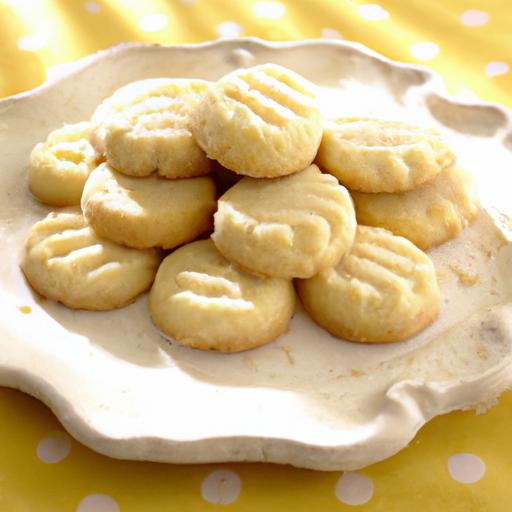


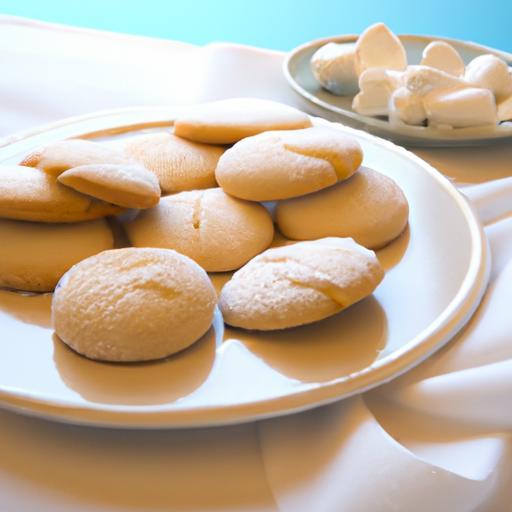
There’s a magic in a cookie that melts gently on the tongue, leaving behind whispers of buttery sweetness and a delicate crumb that almost dissolves before you can savor it fully. Shortbread cookies, with their golden hue and tender texture, have been enchanting palates for centuries, earning a timeless place in kitchens and hearts around the world. In this article, we delve into the rich history, simple elegance, and enduring appeal of these beloved treats-celebrating the humble shortbread cookie as more than just a dessert, but a symbol of comfort, tradition, and the joyful art of baking.
Melting Moments is a doorway into the world of buttery bliss-where each bite of classic shortbread reveals a delicately crumbly texture kissed with an unforgettable richness. There’s a timeless elegance in mastering this simple yet luxurious cookie that dates back centuries to scotland,beloved for its minimal ingredients and profound depth of flavor. Drawing from tradition and infusing creativity, this journey will unlock the secrets to attaining that perfectly tender crumb, fragrant with subtle hints of vanilla and citrus, and elevated through unique ingredient twists that transform each cookie into a melt-in-your-mouth moment.
Prep and Cook Time
Planning: 15 minutes • Chilling: 30 minutes • Baking: 25 minutes
Yield
Approximately 24 classic shortbread cookies
Difficulty Level
Easy – Perfect for bakers of all experience levels
Ingredients
- 1 cup (225g) unsalted butter, softened to room temperature
- 3/4 cup (90g) powdered sugar, sifted for smoothness
- 2 cups (240g) all-purpose flour, sifted
- 1/4 cup (30g) cornstarch (for an ultra-fine crumb)
- 1/2 tsp fine sea salt
- 1 tsp pure vanilla extract or vanilla bean paste for deeper aroma
- Optional aromatic infusions: zest of one lemon or orange, or 1 tsp finely ground cardamom
- Optional additions: 1/3 cup chopped toasted almonds or pistachios for texture contrast
Instructions
- Cream the butter and sugar: Using a stand mixer or hand mixer, beat the softened butter and powdered sugar on medium speed until pale, light, and fluffy-about 3 to 4 minutes. This aeration is crucial for a tender crumb.
- Add aromatic infusions: Mix in vanilla extract and zest or spices if using, ensuring the flavors are evenly dispersed throughout the butter mixture.
- Combine dry ingredients: in a seperate bowl, whisk the sifted flour, cornstarch, and sea salt together. This blend guarantees a delicate crumb with melt-in-your-mouth softness.
- Incorporate dry ingredients: gradually fold the flour mixture into the butter mixture using a spatula or on low mixer speed. The dough will come together gently without overmixing-stop just before fully combined to avoid tough cookies.
- Add nuts (optional): Fold in toasted nuts at this point if using, adding subtle crunch to your classic shortbread.
- Chill the dough: Transfer the dough onto a sheet of parchment paper or plastic wrap. Shape into a flat disc, cover tightly, and refrigerate for at least 30 minutes. Chilling solidifies the butter, making clean cuts simpler and preserving texture.
- Preheat the oven: Set to 325°F (160°C). Line a baking sheet with parchment or a silicone mat.
- Shape and score: Roll chilled dough onto a lightly floured surface to about 1/4-inch thickness. Cut into classic rectangles, rounds, or fingers. for a conventional look, gently prick the dough with a fork or score a grid to allow even baking and reduce spreading.
- Bake: Arrange cookies with slight spacing on prepared trays. Bake 22-25 minutes, or until edges turn a delicate golden hue-avoid deep browning to preserve softness.
- Cool and finish: Cool on the baking sheet for 10 minutes before transferring to a wire rack. This allows cookies to firm slightly yet remain tender inside.
Tips for Success to Create Melting Moments Every Time
- Butter temperature: Perfectly softened butter (not melted) ensures even aeration and crumb formation.
- Sift carefully: sifting powdered sugar, flour, and cornstarch removes lumps and adds air for a lighter texture.
- Chilling matters: Don’t skip chilling. It controls spread and helps flavors develop.
- Don’t overmix: Excess gluten development will toughen your shortbread. Fold last steps gently.
- Experiment with infusions: Swap citrus zest for lavender or rosemary for a gourmet twist without sacrificing crumb quality.
- Make-ahead: Dough can be wrapped and frozen for up to one month. Bake directly from chilled for fresh, flaky cookies anytime.
Serving Suggestions
Present your shortbread cookies with a dusting of powdered sugar or a light drizzle of high-quality dark chocolate for a decadent contrast. pair alongside a cup of fragrant Earl gray tea or radiant citrus-infused coffee to complement the aromatic infusions within. For festive occasions, embed edible rose petals or crushed pistachios atop before baking-offering both eye appeal and a sensory surprise with every Melting Moments bite.
| Nutrient | Per Cookie (approx.) |
|---|---|
| Calories | 110 kcal |
| Protein | 1 g |
| Carbohydrates | 12 g |
| Fat | 7 g |
Discover More Classic Shortbread Variations to expand your baking repertoire with exciting flavor profiles. For deep dives into the science behind butter-based pastries,check out King Arthur Baking’s butter guide.

Q&A
Q&A: Melting Moments – The Timeless Charm of Shortbread Cookies
Q1: What makes shortbread cookies so irresistibly charming?
A1: Shortbread cookies possess a unique simplicity that captures hearts with just a few humble ingredients-flour, butter, and sugar. Their crumbly, buttery texture melts gently on the tongue, evoking a nostalgic comfort that transcends generations.It’s this delicate balance of richness and melt-in-the-mouth softness that gives shortbread its timeless appeal.
Q2: where did shortbread originate, and how has its recipe evolved?
A2: Shortbread traces its roots back to Scotland, where it was traditionally baked as a festive treat, especially for holidays like Hogmanay. Over centuries, the classic recipe has remained steadfast, though bakers have creatively introduced subtle variations-like a hint of citrus zest or a sprinkle of sea salt-to enhance the cookie’s natural buttery essence without overshadowing its signature simplicity.
Q3: Why is the texture of shortbread called “short”?
A3: In baking terms, “short” refers to a tender, crumbly texture that breaks apart swiftly due to a high fat-to-flour ratio. The generous butter content “shortens” gluten strands, preventing elasticity and creating that characteristic melt-away quality. This shortness is precisely why shortbread feels like a delightful little moment of softness in every bite.
Q4: Can shortbread cookies be customized without losing their classic identity?
A4: Absolutely! While traditional shortbread charms with its plain butteriness, subtle twists can enhance the experience. Think of adding finely ground nuts such as almonds or pistachios for a gentle crunch, or infusing the dough with warming spices like cinnamon or vanilla. These add depth but keep the core “melting” sensation intact.
Q5: What occasions are shortbread cookies perfect for?
A5: Shortbread is the quintessential celebratory cookie, perfect for any moment worth savoring. They shine during festive seasons, tea parties, weddings, or simply as an everyday indulgence alongside a good book or comforting cup of tea. Their elegance, paired with a modest ingredient list, makes them an approachable yet sophisticated treat.
Q6: How should shortbread cookies be stored to keep their melting charm?
A6: To preserve their delicate texture and buttery aroma, shortbread cookies should be stored in an airtight container at room temperature. Avoiding humidity and heat prevents them from becoming too soft or stale. Properly stored, they can maintain their gentle crumble and flavor for up to two weeks.
Q7: What role does butter quality play in making perfect shortbread?
A7: Butter is the soul of shortbread. High-quality, unsalted butter imbues the cookies with a creamy richness and smooth mouthfeel that lower-quality fats can’t replicate. Sence shortbread is a simple blend of few ingredients, the butter’s freshness and flavor genuinely shine through, transforming a basic recipe into an extraordinary sensory experience.
Q8: Can shortbread be made gluten-free without compromising texture?
A8: Yes, with careful ingredient choices. Using gluten-free flour blends designed for baking and sometimes incorporating almond flour can help mimic the crumbly, tender texture. However, because gluten contributes to structure, achieving the perfect “short” crumb may require experimentation, but the buttery melt-in-the-mouth quality remains the ultimate goal.
Q9: What distinguishes shortbread from other buttery cookies?
A9: Unlike cookies that rely on eggs or chemical leaveners, shortbread is purely a function of fat, flour, and sugar-no rising agents or binding eggs. This simplicity is what sets it apart: no crispness, no chewiness, just a buttery, tender crumb that practically dissolves on your palate. it’s a minimalistic masterpiece in cookie form.
Q10: How can home bakers avoid common pitfalls when making shortbread?
A10: Overworking the dough is a usual culprit that yields tougher cookies; gentle mixing ensures tender crumbles. Also, baking too long or at too high a temperature can dry out shortbread, robbing it of that melt-in-your-mouth magic. Aim for a pale golden hue and cool cookies on a rack to perfect that iconic crumbly texture.
Wrapping Up
As the last crumb dissolves on your tongue, the simple delight of a perfectly baked shortbread cookie – those melting moments of buttery bliss – lingers far beyond the taste. These humble treats carry with them a timeless charm that transcends generations,inviting us to slow down and savor the sweet comfort of tradition. Whether enjoyed with a steaming cup of tea or gifted as a heartfelt token, shortbread cookies remind us that sometimes, the most enduring pleasures come from the simplest ingredients and the warmest memories. So next time you bite into one, take a moment to appreciate not just the flavor, but the rich history and enduring magic that make melting moments truly unforgettable.