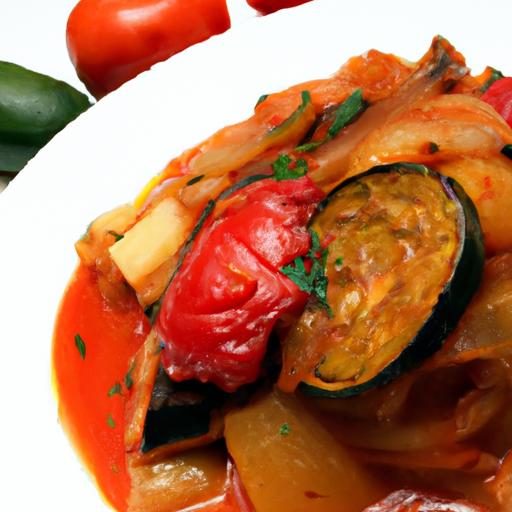


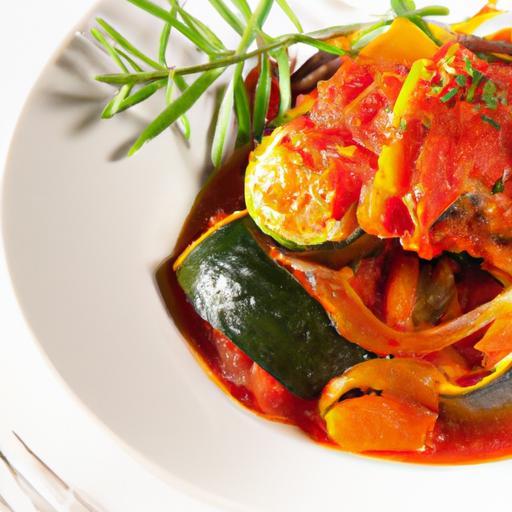
In a world that often celebrates speed and convenience, there lies an enduring charm in the art of slow cooking-a timeless ritual that transforms humble ingredients into symphonies of flavor. Few dishes embody this more beautifully than ratatouille, the rustic French vegetable medley whose magic unfolds when patience meets passion.
“The Art of Slow-Cooked Ratatouille: A Flavorful Journey” invites you too step away from the hurried pace of modern life and immerse yourself in a culinary experience where each simmer,each stirring,reveals layers of taste and texture. Join us as we explore how slow cooking elevates ratatouille from a simple stew to a masterpiece of aroma and richness, celebrating the vibrant harvest of garden-fresh produce and the soulful traditions of Provençal cuisine.
Mastering the selection of fresh seasonal vegetables is the first step to creating the rich and comforting flavors of slow-cooked ratatouille. The essence of this Provençal classic lies not only in its vibrant colors but in the harmony of taste achieved by choosing vegetables at their peak. imagine sun-ripened eggplants with perfectly tender flesh, zucchini that still have a gentle snap, and heirloom tomatoes bursting with juicy sweetness-each element contributing unique textures and flavor notes that unfold slowly throughout the simmering process.
Prep and Cook Time
Preparation: 25 minutes
Cooking: 1 hour 40 minutes
Total Time: 2 hours 5 minutes
Yield
Serves 6 hearty portions
difficulty Level
Medium – requires attentive layering and patience, but accessible for enthusiastic home cooks
Ingredients
- 2 medium eggplants, diced into 1-inch cubes
- 3 medium zucchinis, sliced into rounds
- 4 large ripe tomatoes, chopped
- 1 large yellow onion, finely chopped
- 4 garlic cloves, minced
- 1 red bell pepper, diced
- 1 yellow bell pepper, diced
- 3 tbsp extra virgin olive oil, plus more for drizzling
- 1 tsp smoked paprika
- 1 tbsp fresh thyme leaves
- 2 tbsp fresh basil, chopped
- 2 tbsp fresh flat-leaf parsley, chopped
- ½ tsp crushed red pepper flakes (optional for mild heat)
- Salt and freshly ground black pepper, to taste
Instructions
- Prepare the vegetables: Rinse and dry all produce thoroughly. dice eggplants and slice zucchinis evenly to ensure uniform cooking. Chop tomatoes, onions, and peppers, keeping sizes consistent. This uniformity helps the flavors meld beautifully.
- Sauté the onion and garlic: In a large heavy-bottomed pot, heat 2 tablespoons of olive oil over medium heat. Add the chopped onion and sauté until translucent, about 5 minutes.Stir in the minced garlic and sauté 1 more minute until fragrant, careful not to burn.
- Cook the peppers: Add diced red and yellow bell peppers to the pot and continue to sauté for another 7 minutes, stirring occasionally. This step softens the peppers while developing their natural sweetness.
- Sear the eggplant and zucchini: In a separate skillet, warm the remaining tablespoon of olive oil over medium-high heat. Add the eggplant cubes and sauté until they begin to brown and soften, about 8 minutes. Add zucchini slices in the last 4 minutes to avoid overcooking; they should retain a slight bite.
- Combine all vegetables: Transfer the sautéed eggplant and zucchini into the pot with the onion, garlic, and peppers. stir gently to combine.
- Add tomatoes, herbs, and spices: Stir in the chopped tomatoes, fresh thyme, smoked paprika, crushed red pepper flakes (if using), salt, and pepper. bring the mixture to a gentle simmer.
- Slow-cook to perfect texture: Reduce heat to low, cover the pot partially, and let the ratatouille simmer gently for 1 hour 15 minutes. Stir every 15 minutes to prevent sticking and ensure even cooking. The slow simmer melds flavors and achieves that silky yet hearty texture.
- finish with fresh herbs: Remove heat and stir in freshly chopped basil and parsley for a burst of vibrancy and herbal brightness.
- Rest before serving: Let the ratatouille sit covered for 10 minutes off the heat to deepen the flavors and allow the texture to set beautifully.
Chef’s Notes
- For an extra layer of flavor, toast dried herbs like thyme before adding fresh ones at the end.
- to prevent bitterness, salt diced eggplants and let them sit in a colander for 30 minutes before rinsing and patting dry.
- Use the ripest seasonal vegetables available-the taste difference in slow-cooked ratatouille is transformative.
- This dish tastes even better the next day and can be made ahead. Store in an airtight container in the refrigerator for up to 3 days.
- To add texture contrast, garnish with roasted pine nuts or a sprinkle of toasted breadcrumbs before serving.
Serving Suggestions to Elevate Your Ratatouille Experience
Present this slow-cooked ratatouille in a rustic earthenware dish to highlight its vibrant hues of red, gold, and green. Pair it with a crusty artisanal baguette or creamy polenta for a satisfying meal. A dollop of tangy Greek yogurt or a drizzle of herbaceous olive oil adds depth and silkiness.
For a colorful garnish, scatter freshly torn basil and parsley leaves over the top, and consider a light sprinkle of toasted pine nuts for added crunch. Complement the dish alongside a fresh green salad tossed with lemon vinaigrette for a balanced plate vibrant in both flavor and texture.

| Nutrient | Per Serving |
|---|---|
| Calories | 180 kcal |
| Protein | 4 g |
| Carbohydrates | 28 g |
| Fat | 7 g |
Unlock the full potential of fresh vegetables and aromatic herbs with these techniques, and experience the soulful magic that slow-cooked ratatouille brings to your table.
For further inspiration and tips on French provincial cooking,check out our Provence Cuisine guide and explore the culinary heritage that shapes this classic dish. Also,visit USDA Seasonal Produce Guide for selecting the freshest vegetables year-round.
Q&A
Q&A: The Art of Slow-Cooked Ratatouille – A Flavorful Journey
Q1: What makes slow-cooked ratatouille different from the regular quick version?
A1: slow-cooked ratatouille is a symphony of flavors unfolding gradually. While the quick version offers freshness and vibrancy, the slow-cooked approach allows each vegetable to soften and meld, creating a deep, rich harmony. The gentle cooking coax out sweetness from eggplants,tomatoes,and bell peppers,blending their essences into a luscious,comforting tapestry.
Q2: Which vegetables are essential for a classic ratatouille?
A2: The heart of ratatouille is its colorful medley: tender eggplants, vibrant zucchini, sweet bell peppers, ripe tomatoes, and aromatic onions and garlic. Each vegetable brings its own personality-earthy, sweet, and savory-to the pot, capturing the vrey soul of Provençal cuisine.
Q3: how does the cooking method influence the texture and taste?
A3: Slow-cooking gently breaks down tougher fibers in the vegetables, resulting in a velvety texture that melts in your mouth. The prolonged heat also deepens the taste, transforming simple ingredients into a bouquet of layered, nuanced flavors with subtle hints of caramelization and herbaceous warmth.
Q4: What herbs and seasonings enhance slow-cooked ratatouille?
A4: Classic herbs like thyme, rosemary, and bay leaves infuse the dish with a woodsy aroma, while fresh basil added near the end lifts the entire creation with vibrant, sweet notes. Salt, pepper, and a touch of crushed chili can balance and brighten the complex flavors.
Q5: Is there a particular technique that ensures a perfectly slow-cooked ratatouille?
A5: Yes! Start by sautéing your onions and garlic gently to coax out their sweetness. Then,layer your vegetables without overcrowding,allowing space for the steam and flavors to mingle. Use a heavy-bottomed pot or a dutch oven to maintain even heat and cook the stew slowly over low heat – patience is the secret ingredient!
Q6: Can slow-cooked ratatouille be made ahead, and does this affect the flavor?
A6: Absolutely! In fact, ratatouille often tastes even better the next day. As it rests, flavors continue to marry and deepen, making it an ideal dish to prepare ahead for a simple yet elegant meal.
Q7: how can slow-cooked ratatouille be served to highlight its richness?
A7: Serve it warm over creamy polenta, a bed of fluffy couscous, or alongside crusty artisan bread to soak up the luscious sauce.Garnish with fresh herbs or a drizzle of high-quality olive oil to add brightness and contrast.
Q8: What makes ratatouille a timeless dish worth mastering?
A8: Beyond its humble ingredients, ratatouille tells a story of seasons, tradition, and soulful cooking. It embodies simplicity and patience, transforming everyday vegetables into an extraordinary experience-a dish that celebrates the beauty of slow, loving preparation.Mastering it opens the door to a world where flavor deepens with time and care.
Dive into the art of slow-cooked ratatouille, and let each spoonful transport you to sun-drenched gardens and rustic kitchens, where every bite is an ode to the magic of time-honored flavors.
Concluding Remarks
As the final spoonful of slow-cooked ratatouille graces your palate, you’re left with more than just a medley of vegetables-you’ve experienced a culinary symphony born from patience and passion. This dish, with its rich layers of flavor and tender textures, is a testament to the magic that unfolds when time and care meet humble ingredients. Embracing the art of slow cooking not only deepens the flavors but also invites us to savor the rhythm of the kitchen and the stories each vegetable tells. So next time you embark on this flavorful journey, remember: in every simmering pot of ratatouille lies a festivity of tradition, creativity, and the simple joy of slow savoring.