

tomato sauce is a beloved staple in kitchens worldwide-rich, comforting, and endlessly versatile. But what if this familiar favorite could do more than just satisfy your taste buds? Enter the world of sneaky veggies: the artful practice of blending hidden vegetables into your tomato sauce, transforming it into a powerhouse of nutrition without compromising flavor. from silky carrots and earthy mushrooms too vibrant bell peppers and zucchini, these covert ingredients unlock a secret wellspring of vitamins and minerals, quietly boosting health wiht every spoonful. Join us as we delve into the tasty science and creative techniques behind sneaky veggies, revealing how to elevate your tomato sauce into a stealthy superfood that even picky eaters will crave.
Sneaky Veggies infuse tomato sauces with layers of flavor and nutrition, transforming a humble kitchen staple into a vibrant wellness booster.
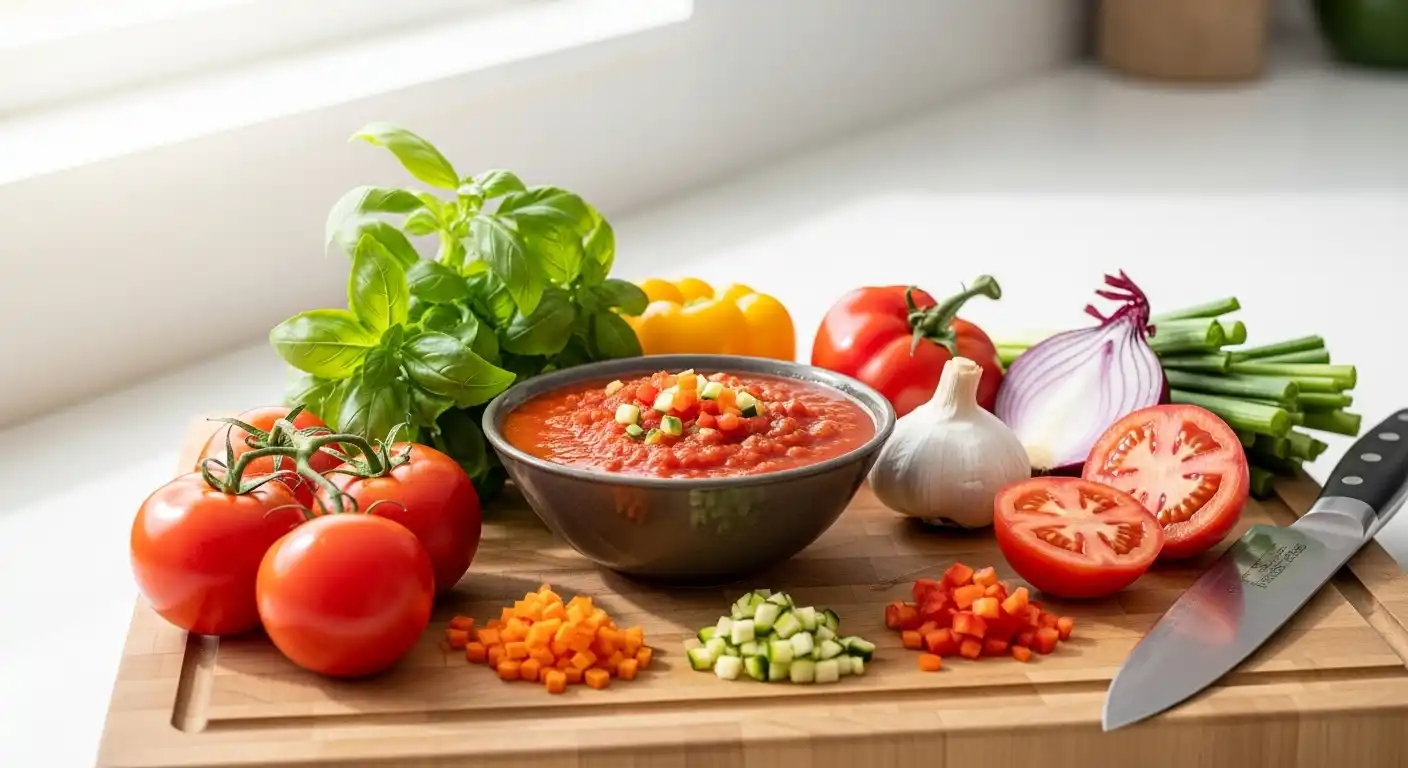
Discovering how to artfully blend vegetables into your tomato sauce elevates both taste and health without sacrificing authenticity. From the silky sweetness of roasted carrots to the subtle earthiness of finely grated zucchini, these hidden treasures create a sauce that is unexpectedly rich and satisfying. This approach not only deepens flavor complexity but packs your meal with vitamins, antioxidants, and fiber-perfect for anyone looking to nourish their family while indulging in comfort food.
Prep and Cook Time
- Readiness: 15 minutes
- Cooking: 45 minutes
- Total Time: 1 hour
Yield
About 6 servings (1 cup sauce per serving)
Difficulty Level
Easy to Medium – perfect for home cooks aiming to impress with minimal fuss
Ingredients
- 3 tablespoons extra-virgin olive oil
- 1 medium yellow onion, finely chopped
- 2 cloves garlic, minced
- 1 large carrot, peeled and grated
- 1 medium zucchini, finely grated (excess moisture squeezed out)
- 1 red bell pepper, finely diced
- 1 (28-ounce) can crushed plum tomatoes
- 1 tablespoon tomato paste
- 1 teaspoon dried oregano
- 1 teaspoon dried basil
- ½ teaspoon red pepper flakes (optional, for subtle heat)
- Salt and freshly ground black pepper, to taste
- 1 teaspoon honey or pure maple syrup (to balance acidity)
- Fresh basil leaves, chopped (for garnish)
Instructions
- heat olive oil in a large saucepan over medium heat. Add the finely chopped onion and sauté until translucent and fragrant, about 5 minutes, stirring frequently to avoid browning.
- Add the minced garlic, grated carrot, grated zucchini, and diced red bell pepper. Sauté gently for 7-8 minutes until vegetables soften and release their natural sweetness. Stir ofen to prevent sticking and build a rich base.
- Stir in the tomato paste, cooking for 1-2 minutes to caramelize it slightly, which deepens the sauce’s flavor.
- Pour in the crushed plum tomatoes, followed by the dried oregano, dried basil, and red pepper flakes if using. Season with a pinch of salt and pepper.
- Reduce heat to low,cover partially,and let simmer gently for 30 minutes,stirring occasionally. This slow cooking melds the veggie essence into the robust tomato flavor.
- Finish by stirring in honey or pure maple syrup to balance acidity. Taste and adjust seasoning with additional salt and pepper.
- Remove from heat and let rest for 10 minutes before serving to amplify the flavors further.
Tips for Success
- For a smoother texture, blend the sauce briefly with an immersion blender after simmering, ensuring the veggies become seamlessly incorporated without visible chunks.
- Moisture control: Be sure to squeeze grated zucchini to prevent the sauce from becoming watery.Use a kitchen towel or fine mesh sieve.
- Swap the carrot for butternut squash or pumpkin puree in cooler months for a velvety sweetness and seasonal twist.
- Make a larger batch and freeze in portioned containers for quick, nutrient-rich weeknight meals.
- If you prefer heat, experiment with a pinch of smoked paprika or chipotle powder instead of red pepper flakes.
Serving Suggestions
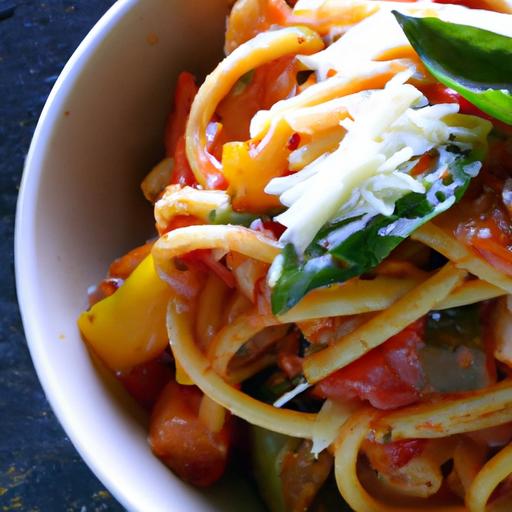
This sauce is incredibly versatile – toss it with your favorite pasta shape,slather it over freshly roasted vegetables,or use it as a base for hearty baked dishes. Garnish with torn fresh basil leaves, a drizzle of extra virgin olive oil, and a sprinkle of nutritional yeast or finely grated aged cheese alternative for a satisfying finish. A side of garlic-infused sautéed greens complements this meal beautifully, adding another dimension of green goodness.

| Nutrient | Per Serving |
|---|---|
| Calories | 130 |
| Protein | 4g |
| Carbohydrates | 18g |
| Fat | 5g |
| Fiber | 5g |
| Vitamin A | 80% DV |
Embracing sneaky veggies in your tomato sauce is a culinary art that rewards with both flavor and nutrition.For an inspiring spin on vegetable-infused sauces, check out our ultimate Veggie-Packed Marinara Recipe.For detailed nutritional benefits of tomatoes and vegetables, the USDA ChooseMyPlate site offers excellent resources.
Q&A
Q&A: Sneaky Veggies-Unlocking Hidden Goodness in Tomato Sauce
Q1: What does the term “sneaky veggies” mean in the context of tomato sauce?
A1: “Sneaky veggies” refers to vegetables that are cleverly incorporated into tomato sauce in ways that enhance flavor, texture, and nutrition without being overtly noticeable. It’s about boosting the health quotient and richness of your sauce while keeping it familiar to all palates, especially picky eaters.
Q2: Why add sneaky veggies to tomato sauce? Isn’t tomato sauce already made from vegetables?
A2: Absolutely, tomatoes are the star vegetable in any tomato sauce. But sneaky veggies like carrots, bell peppers, or zucchini provide natural sweetness, depth, and nutrients that tomatoes alone may not deliver fully. They round out the flavor profile and add subtle complexity while enhancing the sauce’s body.
Q3: Which veggies work best for sneaking into tomato sauce?
A3: Great candidates include finely grated carrots, chopped mushrooms, diced bell peppers, finely shredded spinach, and even puréed cauliflower or butternut squash. These veggies soften and meld seamlessly into the sauce, enhancing both texture and nutrition without overpowering the classic tomato flavor.
Q4: How do you prepare veggies so they sneak perfectly into tomato sauce?
A4: The secret lies in texture and cooking method. Grate, finely dice, or purée veggies to minimize their presence. Sautéing them first helps develop sweetness and removes excess moisture, preventing watery sauce. Slowly simmering the sauce lets veggie flavors harmonize with the tomatoes.
Q5: Can sneaky veggies change the color or consistency of my tomato sauce?
A5: Yes, subtly.Carrots and butternut squash can deepen the sauce’s orange-red hue, while spinach may add a gentle green tint when used sparingly. As for consistency, these veggies often help thicken the sauce naturally, lending a satisfying richness without added cream or flour.
Q6: Do sneaky veggies affect the cooking time of tomato sauce?
A6: They can slightly extend it, especially if you start by sautéing the veggies to coax out flavor and soften them. However, this extra step pays off with a more complex, deeply flavored sauce that’s worth the few extra minutes on the stove.
Q7: Is sneaky veggie tomato sauce suitable for kids or picky eaters?
A7: Definitely! This method allows parents to sneak in extra nutrition without the familiar “vegetable” look or taste, making it easier for kids to enjoy their meals. Over time, it can also help expand their palate by associating veggies with the comforting and beloved flavor of tomato sauce.Q8: Can sneaky veggies help people with dietary restrictions or preferences?
A8: absolutely! Sneaky veggies can increase fiber, vitamins, and minerals for those following plant-forward diets or seeking to eat more whole foods.Plus, it’s an excellent strategy to add nutrients without resorting to processed additives or supplements.
Q9: What’s the best way to store tomato sauce with sneaky veggies?
A9: Store your vegetable-packed tomato sauce in an airtight container in the fridge for up to 5 days, or freeze it in portions for up to 3 months. The texture and flavor frequently enough improve after a day or two as the flavors meld beautifully.
Q10: Any tips for introducing sneaky veggies into tomato sauce for the first time?
A10: Start small! Begin by adding one type of vegetable in a small quantity, such as grated carrot or finely chopped mushroom. Taste as you go, and gradually increase once you’re cozy. This method keeps the sauce balanced and avoids overwhelming the classic tomato base.
Unlock the secret garden lurking in your favorite tomato sauce-where wholesome veggies quietly enrich every bite, turning a simple dish into a deliciously nutritious masterpiece!
Concluding Remarks
As we’ve peeled back the layers of tomato sauce, it’s clear that sneaky veggies do more than just boost nutrition-they transform humble sauce into a powerhouse of flavor and wellness. Whether finely grated carrots, stealthy spinach, or silky zucchini, these hidden additions unlock a vibrant depth that delights the palate while nourishing the body. So next time you stir a pot of tomato sauce, remember: behind that familiar red hue lies a secret garden, quietly working its magic. Embrace the art of sneaky veggies, and turn every spoonful into a delicious act of wholesome creativity.