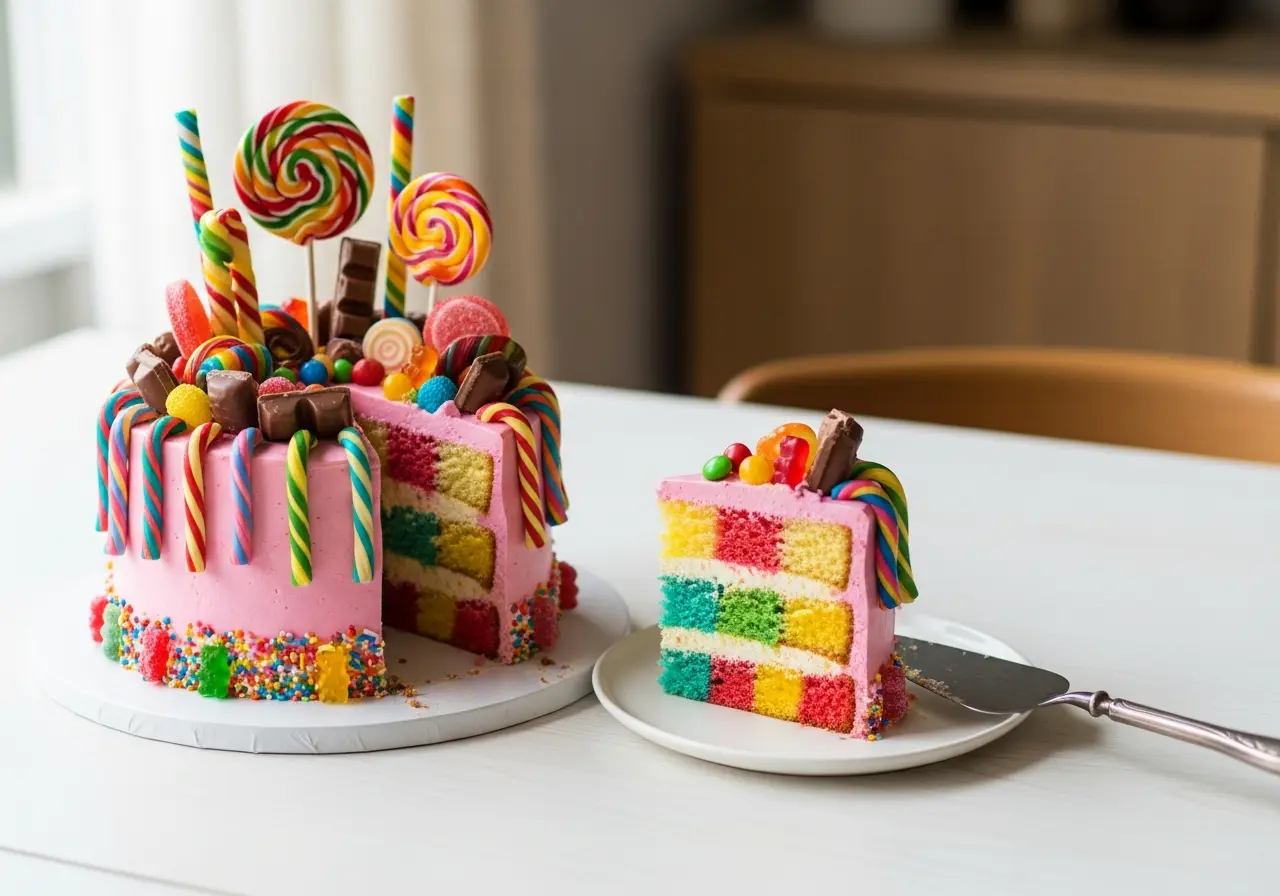


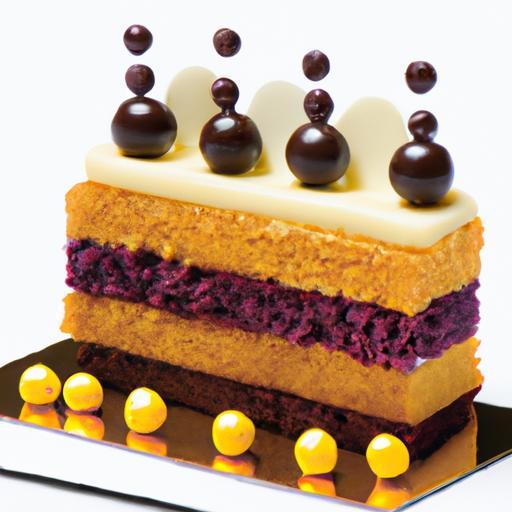
There’s a certain magic in the way candy transforms a simple dessert into a whimsical celebration of color, texture, and flavour. Enter the candy cake-a playful masterpiece where layers of sugary confections come alive, inviting both the eyes and the taste buds to indulge in a symphony of sweetness. More than just a treat, candy cakes blend the art of baking with the joy of candy crafting, creating edible sculptures that tell stories through vibrant hues and imaginative designs. In this article, we unwrap the world of candy cakes, exploring the techniques, creativity, and sheer delight behind these layered confections that have captivated party tables and dessert lovers alike. Welcome to a journey where sugar meets artistry, and every slice is a slice of joy.
Sweet Layers aren’t just a feast for the eyes; they represent an exquisite journey through color, texture, and flavor, crafted meticulously to delight every palate. Each candy cake is a celebration-where the vibrancy of candy art meets the harmony of taste.Whether you’re assembling a birthday masterpiece or a whimsical centerpiece for a festive gathering, understanding how to balance beats of sweetness with playful textures is key to achieving a truly memorable treat.
Prep and Cook time
- Readiness: 40 minutes
- Assembly and Decoration: 1 hour
- Total Time: Approximately 1 hour 40 minutes
Yield
Serves 10-12, perfect for sharing at celebrations or gifting.
Difficulty Level
Medium – ideal for enthusiastic bakers and candy lovers ready to experiment with colors and textures.
Ingredients
- 1 large, plain cake base (vanilla or chocolate, cooled and levelled)
- 2 cups assorted hard candies (such as fruit-flavored drops, lemon drops, or classic butterscotch)
- 1 cup gummy candies (brightly colored bears, worms, or rings)
- 1 cup mini marshmallows
- 1/2 cup crushed candy canes (adds a subtle peppermint crunch)
- 1 ½ cups buttercream frosting (smooth and spreadable)
- 2 tablespoons corn syrup (for attaching candies with ease)
- Food coloring gels (optional – to tint frosting for extra vibrancy)
- Edible glitter or sprinkles (for festive sparkle)
- Decorative candy sticks or lollipops (for height and visual impact)
Instructions
- prepare the cake base: Ensure your cake is entirely cooled and leveled to create an even canvas for layering candies.
- Tint your frosting: Divide the buttercream into portions and add food coloring gels if desired, to create a colorful palette matching your candy choices.
- Apply first layer of frosting: Spread a thin, even layer of frosting on the cake’s top and sides to act as a “glue” for candy pieces.
- Review your candy combinations: Select candy clusters with contrasting colors and textures-pair crisp hard candies with chewy gummies to excite the palate.
- Attach candies: Using a small brush, lightly dab corn syrup on the back of candies before pressing them gently onto the frosting for secure adhesion. Work quickly as corn syrup sets fast.
- Create layers: For vertical layering, apply additional frosting layers and embed candies halfway into the frosting for dimension and depth. Build upward with lollipops or candy sticks to add dramatic height.
- Decorate edges and top: Strategically place crushed candy canes or mini marshmallows along the base edges for a soft contrast, and sprinkle edible glitter to finish with a magical shimmer.
- chill gently: Refrigerate the cake for 15-20 minutes to allow frosting and candy placement to set firmly before serving.
Tips for Personalizing Candy Cakes to Suit Every Occasion
Customize with seasonal candies-think pastel gummies for spring, rich caramels and cinnamon candies for autumn, or jewel-toned hard candies for holiday dazzles. For a kid-friendly surprise, embed small toy-safe trinkets within candy pockets or top the cake with a themed figurine. Color-coordinate frosting and candy colors to echo party themes or special events, creating a unique edible centerpiece that wows every guest.
Chef’s Notes
- Flavor Harmony: Balance intensely sweet candies with those featuring tart or citrus notes to awaken the palate instead of overwhelming it.
- Texture Play: Introduce crunch with brittle pieces against chewy gummies or soft marshmallows to heighten interest in every bite.
- Substitutions: Swap buttercream for whipped cream frosting for a lighter mouthfeel; just refrigerate accordingly to maintain shape.
- Make-Ahead: Candy cakes are best assembled a few hours before serving. Avoid humid environments that can soften candies prematurely.
- Troubleshooting: If candies won’t stick, use a stronger adhesive like royal icing or melted white chocolate applied sparingly.
Serving Suggestions
Present your candy cake on a colorful platter surrounded by matching candy bowls or mini cupcakes topped with coordinating frosting. Garnish with fresh mint leaves or edible flowers to balance sweetness with a refreshing touch. For interactive fun, provide small candy bags so guests can take home their favorite pieces.
| Nutritional Info | Per Serving |
|---|---|
| Calories | 380 kcal |
| Protein | 3 g |
| Carbohydrates | 58 g |
| Fat | 14 g |

For more inspiration on dessert styling, check out our colorful dessert ideas. To understand the chemistry of candy textures, visit Candy Science by the National Confectioners Association.
Q&A
Sweet Layers: The Art and Delight of Candy Cakes Explained – Q&A
Q1: What exactly is a candy cake?
A candy cake is a whimsical,layered confection that replaces conventional cake layers with an assortment of colorful candies,chocolates,and sometimes sweets like marshmallows or gummy treats. It’s a playful twist on the classic birthday cake, blending visual delight with varied textures and flavors.
Q2: How did candy cakes become popular?
Candy cakes emerged from a creative desire to combine two beloved indulgences: cake and candy. Over time, bakers and candy enthusiasts started experimenting with stacking candies to create edible art that’s as fun to look at as it is to eat. Social media helped popularize these vibrant creations, making candy cakes a trending centerpiece for celebrations.
Q3: What kinds of candies work best for building layers?
The best candies for layers have structure and variety! Think sturdy gummies, thick chocolate bars, wrapped taffies, crunchy candy canes, and chewy caramels. The key is combining textures-soft marshmallows can cushion harder candies, while crisp lollipops add visual spikes. Avoid overly sticky or melty candies unless chilled properly.
Q4: Are candy cakes purely decorative, or can you eat them like a regular cake?
They are utterly edible and meant to be enjoyed! While candy cakes might not slice like traditional cakes, they invite guests to pick and choose their favorite treats layer by layer. It’s a personalized tasting experience that delights both kids and adults in sweet surprise.
Q5: How can someone assemble a candy cake at home?
Start with a sturdy base-this could be a foam disc or a thick cardboard wrapped in parchment. Begin layering by stacking wrapped candies,ribbons of licorice,or bars arranged in rings. Use edible glue, melted chocolate, or royal icing as “glue” to hold candies in place. Creativity is key-mix colors, shapes, and sizes, and finish with a decorative topper like a giant lollipop or a cluster of gummy bears.
Q6: What occasions are candy cakes perfect for?
Candy cakes suit any celebration craving fun and sweetness! Birthdays, baby showers, holiday parties, or even whimsical weddings can benefit from this edible spectacle. They double as decor and dessert, sparking joy and conversation wherever they appear.
Q7: Can candy cakes be customized for dietary restrictions?
Absolutely! There are numerous sugar-free,gluten-free,and vegan candies available. When customizing, remember to check labels and opt for candies free from allergens or ingredients you wish to avoid. This way, everyone at your celebration can indulge safely.
Q8: How long does a candy cake stay fresh?
Candy generally has a longer shelf life than cake, but exposure to heat and humidity can affect texture and appearance. For best results, assemble the cake shortly before the event and store it in a cool, dry place. Avoid refrigeration if possible, as it can cause candies to sweat or become sticky.
Q9: what makes candy cakes so appealing compared to traditional cakes?
Candy cakes offer a sensory adventure-colorful, tactile, and interactive. Unlike a slice of cake, they invite guests to explore varying flavors and textures in a personalized way. Plus, the vibrant, eye-catching designs bring a sense of nostalgia and playful magic that can brighten any celebration.
Q10: Any tips for photographing candy cakes?
Use natural light to highlight the vibrant colors and glossy textures of the candies. Capture close-up shots to emphasize layers and details, and shoot from multiple angles to showcase the cake’s three-dimensional structure.Adding whimsical props like bright confetti or pastel ribbons can enhance the festive mood of your photos.
Dive into the delightful world of candy cakes and transform sweet cravings into edible art-one layered, colorful bite at a time!
concluding Remarks
As we peel back the final layer of the candy cake’s enchanting story, it’s clear that these sugary masterpieces are more than just a treat-they’re a celebration of creativity, texture, and joyful indulgence. From the careful selection of confections to the artful assembly that balances flavor and whimsy, candy cakes invite us to savor both the craft and the delight they bring. Whether you’re a seasoned baker or a curious sweet enthusiast,understanding the magic behind these layered delights adds a new dimension to every bite.So next time you encounter a candy cake, take a moment to appreciate the sweet symphony of colors, shapes, and tastes that come together in perfect harmony-as in the world of desserts, sometimes the art is just as satisfying as the flavor.