

Silky, sumptuous, and utterly irresistible-chocolate mousse has long held a place of reverence in the pantheon of desserts. This luscious concoction, with its airy texture and deep, intense flavor, is much more than just a sweet treat; it is indeed a delicate balance of art and science. From the precise folding techniques that create its signature lightness to the chemical harmony that transforms simple ingredients into a velvety masterpiece, chocolate mousse invites us to explore the alchemy behind its decadence. Join us as we delve into the rich history, culinary craftsmanship, and scientific magic that make chocolate mousse an enduring symbol of indulgence and elegance.
Decadent Delights: The Art and Science of Chocolate Mousse takes you on a sumptuous journey blending the lightest airiness with the richest essence of chocolate. This irresistible dessert masterfully harmonizes the delicate textures and deep flavor profiles that elevate every spoonful into a divine experience. Originating from classic french patisserie,chocolate mousse is a timeless indulgence that balances technical precision with boundless creativity.
Prep and Cook Time
- Planning: 20 minutes
- Chilling: 4 hours (minimum)
- Total: Approximately 4 hours 20 minutes
Yield
Serves 6 elegant portions
Difficulty Level
Medium – Perfect for passionate home cooks ready to impress
Ingredients
- 200g high-quality dark chocolate (70% cocoa, finely chopped)
- 150g silky milk chocolate (for a creamier layer, finely chopped)
- 4 large free-range eggs, separated
- 60g granulated sugar
- 300ml heavy cream, chilled
- 1 tsp pure vanilla extract
- Pinch of fine sea salt
- Optional garnish: fresh raspberries, shaved chocolate, mint leaves, edible gold leaf
Instructions
- Melt the chocolates: Place the dark and milk chocolate in a heatproof bowl over a simmering water bath. Stir gently until smooth and fully melted. Remove from heat and let cool slightly but remain fluid.
- Prepare egg yolks and sugar: In a medium bowl, whisk the egg yolks with half the granulated sugar until pale and creamy, locking in lightness and setting a smooth base.
- combine yolks and melted chocolate: Slowly fold the slightly cooled chocolate into the yolk mixture, blending thoroughly for a glossy, unified cream.
- Whip egg whites: In a clean bowl,add a pinch of salt to the egg whites. Beat until soft peaks form, then gradually add the remaining sugar. Continue whisking to stiff peaks but avoid overbeating to ensure stability without dryness.
- Whip the cream: Lightly whip the chilled cream with vanilla extract until soft peaks form. This preserves the luscious creaminess essential to balancing texture.
- Fold egg whites into chocolate: Using a rubber spatula, gently fold one-third of the egg whites into the chocolate mixture to lighten it. Then carefully incorporate the remaining whites to retain maximal airiness.
- Incorporate whipped cream: fold the whipped cream into the mousse base. Use a sweeping motion to preserve air bubbles-this is the secret to that dreamy, melt-in-your-mouth texture.
- Chill and set: Spoon the mousse into individual serving glasses or a large bowl. Cover and chill for at least 4 hours,allowing the mousse to firm up while maintaining its ethereal softness.
Tips for Success
- Chocolate selection: Opt for couverture chocolate for intense flavor and smooth melt. Adjust cocoa content to preference-from deep dark to silky milk chocolate-to tailor your flavor profile.
- Temperature matters: Ensure melted chocolate cools slightly before mixing with yolks to avoid scrambling.
- Stable peaks: avoid overwhipping egg whites or cream. The mousse depends on their airy structure for lightness and stability.
- Egg safety: For added safety, use pasteurized eggs or replace raw yolks with egg yolk powder, mixed to the same consistency.
- Make-ahead magic: This mousse improves in flavor and texture after 24 hours.Keep refrigerated, covered tightly.
Serving Suggestions to Elevate Presentation
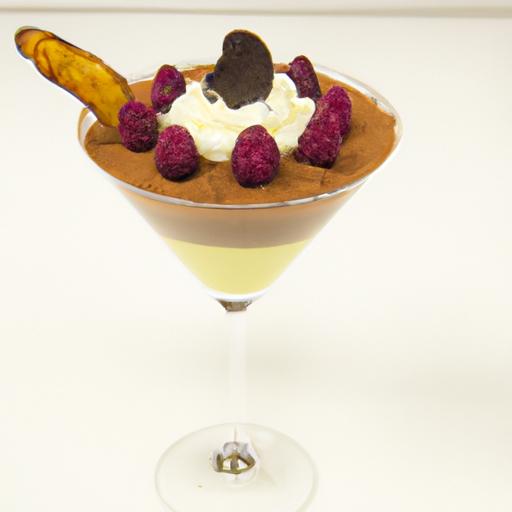
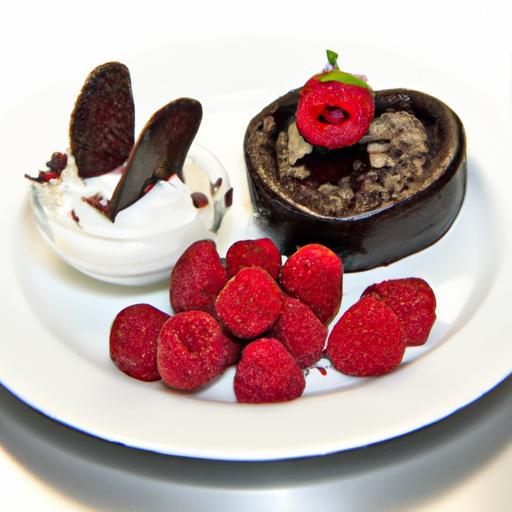
Present your chocolate mousse in clear glasses to showcase its luscious layers, possibly adding a swirl of contrasting white chocolate mousse or a dollop of softly whipped cream on top. Fresh raspberries or a scatter of crushed toasted hazelnuts add delightful texture and a burst of freshness. For a truly luxurious touch, garnish with delicate edible gold leaf or hand-shaved curls of dark chocolate.
A dusting of cocoa powder or a drizzle of ripe raspberry coulis enhances visual appeal and balances the richness, creating a perfect harmony between decadence and vibrancy.

| Nutrient | Per Serving |
|---|---|
| Calories | 420 kcal |
| Protein | 7g |
| Carbohydrates | 35g |
| Fat | 29g |
Mastering Decadent Delights: the Art and Science of Chocolate Mousse is an invitation to explore the balance of airy texture and creamy richness. Each step-from tempering chocolate to gently folding ingredients-opens the door to immense satisfaction and an elevated dessert experience. For more on chocolate techniques, explore our Ultimate Guide to Chocolate Tempering. To deepen your knowledge of chocolate history and chemistry, visit Fine Cooking’s Science of Chocolate.
Q&A
Q&A: Decadent Delights – The Art and Science of Chocolate Mousse
Q1: What makes chocolate mousse so irresistibly decadent?
A: Chocolate mousse achieves its luxurious texture and rich flavor thanks to a delicate balance of air, fat, and cocoa solids. Whipping cream or egg whites incorporates air, creating a light, airy structure. Meanwhile, the cocoa butter in chocolate lends a silky mouthfeel. The interplay of these elements crafts that melt-in-your-mouth experience beloved by mousse enthusiasts worldwide.
Q2: How do chefs ensure the perfect texture in chocolate mousse?
A: Precision is key. Temperature control is crucial; the melted chocolate should be warm but not hot when combined with whipped components to avoid deflating the air bubbles. Gently folding ingredients instead of vigorously mixing preserves the mousse’s airy quality.Additionally, chilling the mousse allows it to set properly, solidifying the delicate foam into a creamy, stable dessert.
Q3: What role do eggs play in traditional chocolate mousse recipes?
A: Eggs are the unsung heroes of classic mousse, offering both structure and creaminess. Whipped egg whites provide lift and lightness through trapped air, while egg yolks enrich the mixture with their creamy texture and natural emulsifiers, which help blend the cocoa and fats seamlessly. However, variations without eggs exist for those seeking alternative textures or dietary preferences.
Q4: Can other ingredients impact the flavor profile of a chocolate mousse?
A: Absolutely! The type and percentage of chocolate used can drastically alter the taste-from bittersweet intensity to creamy sweetness. Adding a pinch of sea salt enhances the chocolate’s depth, while infusions like vanilla bean, espresso, or citrus zest introduce complementary notes. Even the quality of cream contributes subtle differences, making every mousse unique.
Q5: Is it possible to create a dairy-free chocolate mousse without compromising on decadence?
A: Yes, modern culinary techniques have paved the way for luscious dairy-free mousses using coconut cream, avocado, or silken tofu as a base. These ingredients mimic the rich, creamy mouthfeel of traditional mousse, while plant-based whipping alternatives help achieve that signature airy texture. Carefully selected dark or vegan chocolates complete the indulgent experience.
Q6: How has chocolate mousse evolved in contemporary gastronomy?
A: Today’s chefs experiment with textures and presentations-from deconstructed mousses to incorporating unexpected elements like crunchy meringue or fresh herbs.Molecular gastronomy introduces foams and gels that play on the traditional mousse concept, while global influences inspire new flavor combinations, ensuring that chocolate mousse remains both a timeless classic and a canvas for innovation.
Q7: What tips can home cooks follow to master chocolate mousse?
A: Start with high-quality chocolate and fresh ingredients. Be patient-temperatures matter, and gentle folding preserves airiness. Whip cream or egg whites to soft peaks for optimal texture, and resist the urge to overmix. allow enough chilling time for the mousse to set fully; this is when the magic truly unfolds.
Q8: Why does chocolate mousse feel luxurious despite its simple ingredients?
A: the answer lies in technique.Basic pantry staples-chocolate, eggs, cream-transform through careful preparation into something beyond the sum of their parts. The contrast of rich flavor and delicate texture creates a multisensory indulgence that feels as elegant as it tastes, embodying culinary alchemy at its finest.
Insights and Conclusions
as we unwrap the layers of chocolate mousse-from its silky textures to its rich, complex flavors-we come to appreciate this dessert not just as a sweet indulgence, but as a harmonious blend of art and science. Each spoonful is a testament to the careful balance of ingredients, precise techniques, and a touch of culinary magic. Whether crafted in a bustling kitchen or savored quietly at home, chocolate mousse continues to captivate dessert lovers worldwide, inviting us to revel in its decadent delights time and time again. So next time you dive into this velvety treat, remember: you’re tasting centuries of innovation perfected into one unforgettable experience.