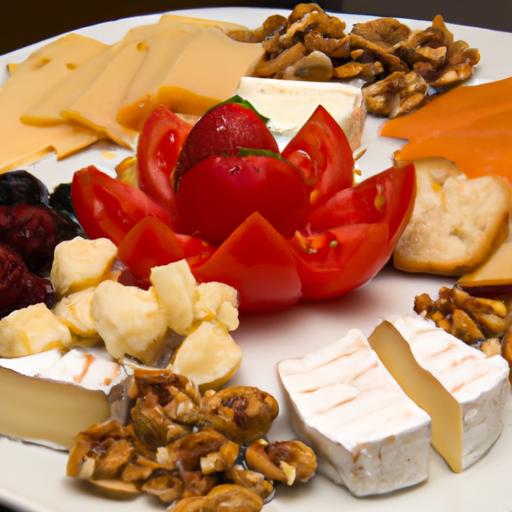


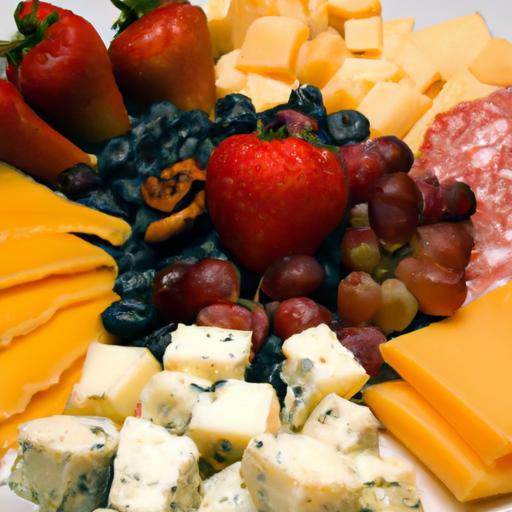
There’s an undeniable magic in the art of assembling a cheese platter-a culinary canvas where texture, flavor, and color converge to create more than just a snack, but an experience. Crafting a cheese platter is a delicate dance of creativity and knowledge, balancing the bold and the subtle, the rustic and the refined. Whether you’re a seasoned gourmand or an adventurous beginner, understanding how to select, arrange, and complement cheeses transforms a simple assortment into a symphony of tasteful elegance. In this article, we’ll explore the timeless principles and innovative touches that elevate cheese platters from mere boards of food to unforgettable celebrations of flavor and style.
Selecting the Perfect Cheese varieties for a balanced Platter
The Art of Cheese Platters: Crafting Flavorful Elegance begins by choosing cheese varieties that create a harmonious dance of flavors and textures. Whether you prefer creamy,crumbly,sharp,or buttery textures,an expertly curated cheese selection elevates every tasting experience. The beauty lies in pairing mild with bold, soft with firm, and aged with fresh to enchant the palate and delight the eye.
Prep and Cook Time
- Readiness: 20 minutes
- Assembly: 15 minutes
- Total time: 35 minutes
Yield
Serves 6-8 as an elegant appetizer or light snack.
Difficulty level
Easy – perfect for beginners and seasoned hosts alike.
Ingredients
- Cheeses:
- 4 oz aged Manchego – firm, nutty
- 4 oz Brie – soft, creamy
- 4 oz Blue cheese (such as Gorgonzola) – bold, tangy
- 4 oz fresh goat cheese – tangy, spreadable
- 4 oz aged cheddar – sharp, crumbly
- Accompaniments:
- 1 cup mixed nuts (almonds, walnuts, pistachios), toasted
- 1 cup fresh grapes, halved
- 1 cup dried apricots, sliced
- 1 cup assorted crackers and artisan bread slices
- 2 tbsp honey or a drizzle of maple syrup
- Fresh rosemary sprigs and edible flowers for garnish
- Olive oil for drizzling (optional)
instructions
- Prepare the cheeses: Remove all cheeses from the refrigerator about 30 minutes before serving to allow them to reach room temperature – this enhances flavor and texture.
- Slice and arrange firm cheeses: Cut the Manchego and cheddar into thin slices or small wedges for easy picking. Crumble the aged cheddar slightly for added texture variation.
- Position soft cheeses: Place Brie in a small cheese dish or leave it intact with a cheese knife nearby. scoop goat cheese into a small bowl drizzle with honey or olive oil for richness.
- Place blue cheese strategically: Crumble or wedge the blue cheese, keeping it slightly separated to avoid overpowering milder companions.
- Arrange fruits and nuts: Scatter clusters of grapes, dried apricots, and toasted nuts around the cheeses. Their natural sweetness and crunch balance the salty and creamy cheese notes beautifully.
- Add crackers and bread: Fan out artisan crackers and crisp bread slices along the edges, inviting guests to build their own bites.
- Final touches: Add fresh rosemary sprigs and edible flowers for a pop of color and fragrance, making the platter as visually inviting as it is indeed flavorful.
- Serve promptly: Present on a wide wooden board or slate platter for a rustic yet elegant feel. Include small cheese knives and spreaders for utensil ease.
Chef’s Notes: Tips for Success
- Balance is key: Aim for a selection that covers a range of textures-from creamy Brie to crumbly blue cheese-and flavor profiles-mild Manchego to sharp cheddar.
- Room temperature matters: Cheese tastes best when allowed to breathe and soften naturally, unlocking their fullest flavors.
- Customize your platter: Feel free to swap nuts or fruits according to seasonality or personal preference; figs, pears, or olives also harmonize perfectly.
- Make ahead: Prepare accompaniments and slice firm cheeses a few hours before plating, then arrange just before serving to keep crackers crisp.
- Pair with non-alcoholic drinks: Sparkling water infused with cucumber or fresh herbs complements the platter beautifully without overpowering.
Serving Suggestions
Present your cheese platter with a few elegant touches to create an inviting atmosphere.Serve with small bowls of honey or maple syrup and a selection of fresh fruit for natural sweetness. A scattering of fresh rosemary or lavender sprigs adds aroma and visual appeal.Edible flowers like nasturtiums or pansies brighten the platter, making it irresistibly charming. Encourage guests to build their own bites balancing cheese, nut, fruit, and bread for an interactive tasting experience that celebrates texture and flavor diversity.
| Nutritional Information (per serving) | Calories | Protein | carbohydrates | Fat |
|---|---|---|---|---|
| Average per portion | 350 kcal | 14 g | 15 g | 28 g |
For further inspiration on cheese and pairing ideas, check our thorough cheese pairing guide.
Explore detailed cheese aging and varieties on cheesemaking.com.

Q&A
Q&A: The art of Cheese Platters – Crafting Flavorful Elegance
Q1: What makes a cheese platter truly elegant and flavorful?
Elegance in a cheese platter comes from a thoughtful balance of textures, flavors, and colors. Combining creamy, crumbly, sharp, and mild cheeses with an assortment of fresh and dried fruits, nuts, and artisanal breads creates a sensory feast. the visual appeal-carefully arranged elements with contrasts and harmonies-invites curiosity and delight before the first bite.
Q2: How do you choose the right cheeses to include?
Start by selecting cheeses that offer contrast and complement each other. aim for variety in milk type-cow, goat, sheep-and also consistency and aging. For example, a silky triple cream Brie, a tangy aged Manchego, and a crumbly blue cheese create a compelling trio. seasonal cheeses can add a unique twist and tell a story of place and time.
Q3: What should I consider about accompaniments to cheese?
Accompaniments aren’t just fillers; they’re flavor enhancers. Fresh fruits like figs, grapes, or apple slices bring natural sweetness; dried fruits such as apricots or cherries introduce chewiness and concentrated flavor. Nuts like almonds or walnuts add crunch and earthiness,while honey,fruit preserves,or spicy mustards introduce layers of unexpected delight.
Q4: How can presentation elevate a cheese platter?
Presentation is the canvas on which your edible art comes to life.Use wooden boards or slate plates as rustic bases.Arrange cheeses with enough space to be easily sliced, nest accompaniments in small clusters or bowls, and vary heights using small dishes or folded napkins. Garnish with fresh herbs like rosemary or edible flowers for a sophisticated touch.
Q5: Are there any tools that make assembling a cheese platter easier?
Absolutely! A set of cheese knives tailored for soft,semi-hard,and hard cheeses helps maintain the integrity of each type. Small tongs or toothpicks can serve for picking up accompaniments hygienically.Lastly, labels or small flags identifying each cheese enhance the tasting experience and showcase your attention to detail.
Q6: Can a cheese platter be tailored to specific dietary preferences or restrictions?
Definitely. Opt for cheeses made with vegetarian rennet or consider plant-based artisanal cheeses for those avoiding animal products. Emphasize fresh fruit, vegetables like cherry tomatoes or radishes, and a variety of nuts. The key is thoughtful pairing to maintain balance and excitement in flavors and textures.
Q7: What is a creative theme idea to inspire a cheese platter?
Try a “Taste of the Mediterranean,” featuring cheeses like feta, aged pecorino, and tangy goat cheese, paired with olives, sun-dried tomatoes, marinated artichokes, fresh basil, and crusty flatbreads. This approach not only delights the palate but also tells a story thru regionally inspired ingredients.
Q8: how far in advance can I prepare a cheese platter before serving?
While the cheeses can be sliced a few hours in advance, it’s best to assemble the platter shortly before guests arrive to preserve freshness and texture. Allow cheeses to come to room temperature for optimal flavor-about 30 to 60 minutes outside the fridge-before slicing or plating.
Q9: What’s a beginner’s tip for assembling a cheese platter that looks professional?
start with the cheeses. Place them spaced evenly across your board, then build around them with larger accompaniments. Think in terms of balance and variety-poke the fruits and nuts in natural clusters rather than in rigid lines. Remember, imperfection can feel inviting and organic.
Q10: How does crafting a cheese platter become an enjoyable creative experience?
Approach it as an edible art project where flavor, texture, and aesthetics meet. experiment with colors and shapes. Play with the contrast between creamy and crunchy, sweet and savory. Trust your intuition, and most importantly, savor the process as a party of food’s ability to bring people together.
The Way Forward
Ultimately, the art of crafting cheese platters transcends mere assembly-it is a thoughtful symphony of flavors, textures, and colors that invites connection and celebration. Whether you’re a seasoned connoisseur or a curious novice, mastering this elegant craft transforms simple ingredients into a sensory journey, elevating any gathering into an unforgettable experience. So, gather your favorite cheeses, fresh accompaniments, and a dash of creativity-and let your platter tell a delicious story of tasteful artistry.