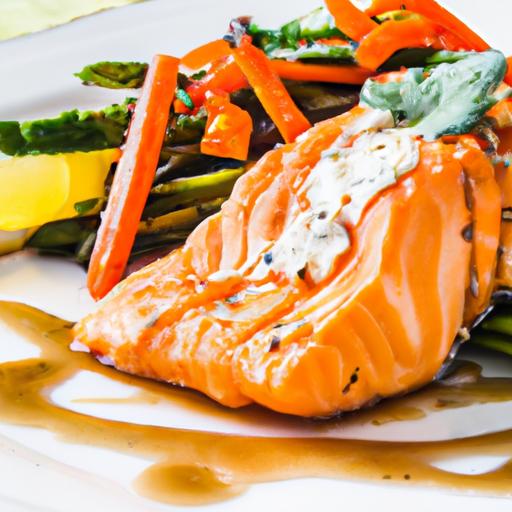


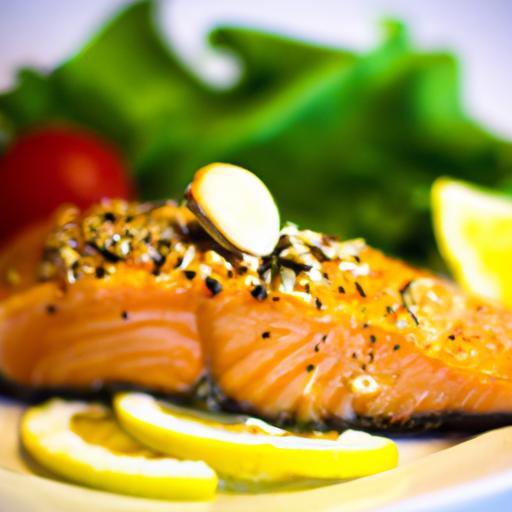
there’s a magic that happens when honey meets salmon-a delicate dance of sweet and savory that transforms a simple fish into a culinary masterpiece. “Sweet Satisfaction: Mastering the Art of Honey Glazed Salmon” invites you to explore this exquisite harmony, where golden honey caramelizes into a glossy, flavorful glaze that elevates every bite. Whether you’re a seasoned cook or a kitchen novice, unlocking the secrets behind this irresistible dish will not only delight your palate but also impress at any dining table. Join us as we unravel techniques, tips, and tantalizing twists to help you perfect the art of honey glazed salmon, turning an everyday meal into a party of taste and texture.
Sweet Satisfaction: Mastering the Art of Honey Glazed Salmon begins with the perfect selection of salmon, setting the foundation for a luscious, deeply satisfying dish that balances natural sweetness and savory warmth.When choosing your salmon, seek vibrant, firm fillets with a rich pink hue and smooth texture-freshness here is key.Wild-caught Alaskan sockeye or king salmon boast a robust flavor and ideal fat content that beautifully carries the richness of a honey glaze, offering that signature melt-in-your-mouth experience we all crave.
Prep and Cook Time
- Preparation: 15 minutes
- Cooking: 12 minutes
- total: 27 minutes
Yield
- Serves 4
Difficulty Level
- Easy to Medium
Ingredients
- 4 (6-ounce) fresh salmon fillets, skin on
- 3 tablespoons pure honey
- 2 tablespoons soy sauce (or tamari for gluten-free)
- 1 tablespoon freshly squeezed lemon juice
- 2 cloves garlic, minced
- 1 teaspoon freshly grated ginger
- 1 tablespoon olive oil
- Salt and freshly ground black pepper, to taste
- 1 teaspoon toasted sesame seeds (optional garnish)
- 2 tablespoons chopped fresh parsley or cilantro (for garnish)
Instructions
- Prepare the glaze: In a small bowl, whisk together honey, soy sauce, lemon juice, minced garlic, and grated ginger until fully combined.Set aside to allow flavors to meld.
- Season the salmon: Pat the fillets dry with a paper towel. Lightly season both sides with salt and pepper to enhance their natural flavor without overpowering the glaze.
- Heat the pan: Warm olive oil in a large non-stick or cast-iron skillet over medium-high heat until shimmering but not smoking. This will ensure a perfect sear.
- Sear the salmon: Place fillets skin-side down in the pan. Press gently with a spatula to achieve a crisp, caramelized skin. Cook for 4-5 minutes without moving the fish.
- Flip and baste: Turn the fillets over carefully. Promptly spoon the prepared honey glaze over each piece. Continue cooking for another 3-4 minutes, occasionally spooning the glaze over the top to build a shiny, sticky finish.
- Achieve glaze perfection: Reduce heat to low, allowing the glaze to thicken and cling. Cook until salmon reaches an internal temperature of 125-130°F for tender, moist flesh.
- Rest and garnish: Transfer salmon to plates and let rest for 2 minutes. Sprinkle with toasted sesame seeds and chopped parsley or cilantro for a fresh burst of colour and flavor.
Tips for Crafting the ideal honey Glaze Balance
The secret to achieving harmony between sweet and savory lies in balancing the honey’s floral sweetness with the tang of lemon and the depth of soy sauce. Feel free to adjust sweetness or acidity according to your palate, but always start mild-its easier to elevate flavors than to tame them.Fresh ginger adds a subtle spicy warmth that counteracts the glaze’s cloying potential,pushing the profile to something truly nuanced.
Chef’s Notes
- For a smoky twist, finish the salmon under a broiler for 1-2 minutes after glazing but watch carefully to avoid burning.
- If you prefer a glaze with extra complexity, stir in a teaspoon of Dijon mustard or a pinch of smoked paprika before cooking.
- Salmon with skin left on not only helps retain moisture during cooking but also provides a gorgeous crispy contrast that complements the sticky glaze perfectly.
- Make-ahead tip: Prepare the glaze up to 24 hours in advance and store chilled to deepen flavors.
- Gluten-free option: Substitute soy sauce with tamari or coconut aminos without compromising taste.
Serving Suggestions and complementary Flavors to Elevate Your Dish
This dish shines when paired with lightly charred asparagus or garlic sautéed green beans, which add crisp vitality to every bite. Serve on a bed of fluffy jasmine rice or creamy mashed cauliflower for a comforting texture contrast. A simple drizzle of lemon-infused olive oil over the greens or rice elevates the citrus notes in the glaze.
For a final, fresh flourish, scatter thinly sliced radishes or a handful of microgreens atop the fish just before serving, introducing subtle pepperiness and crunch. A side of pickled ginger or a crisp cucumber salad can also brighten the plate while offering refreshing counterpoints to the luscious glaze.

| Nutrient | Per Serving |
|---|---|
| Calories | 380 kcal |
| Protein | 34 g |
| Carbohydrates | 12 g |
| Fat | 22 g |
For those interested in expanding their recipe collection, check out our Grilled Salmon with Herb Pesto for another flavorful twist on this versatile fish.Additionally, the FDA’s Seafood Safety Guide offers excellent insights on selecting and handling fresh fish responsibly.
Q&A
Q&A: Sweet Satisfaction – Mastering the Art of Honey Glazed Salmon
Q1: What makes honey glazed salmon a standout dish in the world of seafood?
A1: Honey glazed salmon perfectly balances the rich, buttery texture of salmon with the sweet and slightly caramelized flavor of honey. This contrast elevates the natural umami of the fish, creating a harmonious dance of flavors that’s both simple and refined. It’s a dish that looks elegant but is surprisingly easy to master, making it a favorite for both weeknight dinners and special occasions.
Q2: How do I achieve the perfect glaze without the honey burning?
A2: Honey’s natural sugars can caramelize quickly, so timing and temperature are key. Start by searing the salmon skin-side down in a hot pan to get a crispy crust, then lower the heat before brushing on the honey glaze. Applying the glaze towards the end of cooking and finishing in a preheated oven or under the broiler helps develop that glossy, sticky sheen without bitterness.
Q3: What ingredients enhance the flavor profile of honey glazed salmon without overpowering it?
A3: Complementary flavors include fresh garlic or ginger, a splash of citrus like lemon or orange juice for brightness, a hint of soy sauce or tamari for savory depth, and aromatic herbs such as dill or thyme. These elements add dimension and freshness,allowing the honey’s sweetness and salmon’s richness to shine without overwhelming the palate.
Q4: Can honey glazed salmon be prepared ahead of time for entertaining?
A4: Absolutely! You can marinate the salmon with the glaze mixture a few hours before cooking to deepen the flavor. For convenience, prepare the glaze in advance and store it separately, then apply it just before cooking. While it’s best served fresh and warm to enjoy the sticky glaze texture, leftovers can be reheated gently or served cold in salads or sandwiches.
Q5: What side dishes pair beautifully with honey glazed salmon?
A5: Honey glazed salmon pairs beautifully with light, fresh sides that complement its sweetness. Think roasted asparagus with lemon zest, quinoa salad with herbs and colorful vegetables, or buttery mashed potatoes with a hint of garlic. Even a simple cucumber and avocado salad with a citrus vinaigrette can balance the rich flavors perfectly.
Q6: Is there a particular type of salmon that works best for glazing with honey?
A6: Wild-caught salmon, like sockeye or king salmon, tends to have a firmer texture and more intense flavor, which pairs wonderfully with the sweet glaze. Though, farmed Atlantic salmon’s milder taste and higher fat content make it exceptionally tender and forgiving during cooking. Ultimately, the best salmon is fresh and sustainably sourced, ensuring luscious flavor and satisfying results.
Q7: How can I make honey glazed salmon a bit more adventurous or unique?
A7: Experimenting with the glaze is a fun way to add unique twists. Try infusing your honey glaze with a splash of toasted sesame oil, a sprinkle of chili flakes for subtle heat, or a spoonful of whole-grain mustard for tangy complexity. Adding finely grated fresh ginger or a touch of smoked paprika can also transform the dish into an exciting flavor journey.
Q8: What cooking techniques best preserve the salmon’s moisture while achieving a beautiful honey glaze?
A8: Searing the salmon skin-side down first locks in juices while creating a crispy texture. Following this, baking or broiling gently cooks the fish through without drying it out. avoid overcooking by using a meat thermometer-salmon is perfect at an internal temperature of 125-130°F (52-54°C). Basting with the honey glaze during the last few minutes ensures a shiny, luscious finish.
Q9: Can I use other natural sweeteners instead of honey for a glaze?
A9: While honey offers a signature floral sweetness and viscosity that’s ideal for glazing, alternatives like pure maple syrup or agave nectar can work in a pinch. However, these may alter the flavor profile and texture slightly. For a truly authentic honey glazed salmon experience, sticking with quality honey brings out the perfect balance of sweet and savory.
The Way Forward
as the golden glaze sets and the aroma of honey-kissed salmon fills your kitchen, you’ve not only crafted a dish-you’ve mastered a delicate balance of flavors that dance on the palate. Sweet satisfaction isn’t just about taste; it’s about understanding the harmony between honey’s natural warmth and salmon’s rich,tender flesh. With each brushstroke of glaze and every moment of careful cooking, you transform simple ingredients into culinary art. So next time you crave a meal that’s as nourishing as it is indeed indulgent, remember: the secret lies in patience, precision, and a touch of honeyed magic. Master this art, and every bite will be a celebration.