


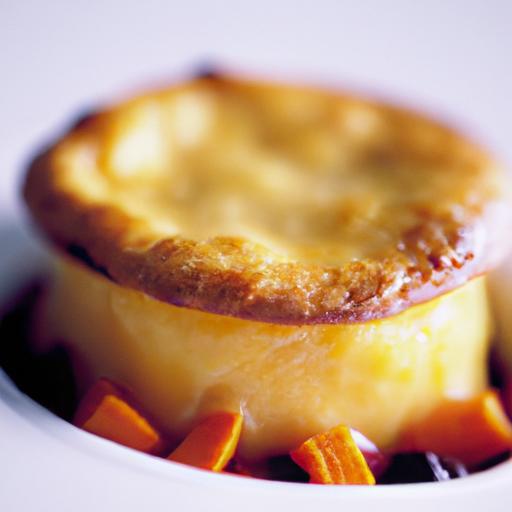
There’s a certain magic to the light, airy rise of a perfectly baked cheese soufflé-a culinary marvel that dances delicately between rich flavor and ethereal texture. Often whispered about in hushed tones among home cooks and chefs alike,the soufflé carries an aura of both elegance and challenge. In this article, we’ll unravel the secrets behind mastering this delicate delight, guiding you through the artful balance of technique and timing that transforms simple ingredients into a sublime, cloud-like masterpiece. Prepare to elevate your kitchen repertoire with the graceful science and subtle creativity that make the light cheese soufflé a timeless symbol of culinary sophistication.
The Science Behind the Perfect rise: Understanding Egg Whites and Air Incorporation
Delicate delight starts with mastering the transformative power of egg whites.When whipped, egg whites trap microscopic air bubbles that expand under heat, creating the ethereal lift essential for a light cheese soufflé. To achieve this, always ensure your bowl and beaters are impeccably clean and free of any fat or grease, as even a trace of yolk or oil can prevent the whites from reaching their maximum volume. Begin whisking at a moderate speed to form soft peaks before increasing speed gradually to stiff, glossy peaks. this careful progression fosters the stable, airy structure necessary for a soufflé that rises tall and stays light.
Selecting the Ideal Cheese Varieties: Balancing Flavor and Texture
choosing the right cheeses is fundamental to the perfect harmony of flavor and texture. Opt for cheeses that melt smoothly yet contribute depth without overwhelming the palate.Gruyère is a classic choice, lending a nutty, buttery richness along with excellent melting qualities. Combining it with a mild,creamy cheese like fontina or ricotta balances sharpness and adds luscious silkiness. Avoid overly salty or crumbly cheeses, which can disrupt the soufflé’s delicate structure or create an uneven rise. Grate your cheese finely for even incorporation, allowing it to merge seamlessly into the béchamel base.
Step by Step Preparation techniques: Ensuring a fluffy and Stable Soufflé
- Prepare your ramekins: Butter generously and dust with fine breadcrumbs to encourage the soufflé to “climb” as it bakes, ensuring an elegant, even rise.
- Make a smooth béchamel: Gently cook butter and sifted flour until lightly golden; then gradually whisk in warm milk to avoid lumps. The sauce should be thick enough to coat the back of a spoon without feeling heavy.
- Melt your cheese: Stir in the grated cheeses off the heat to prevent separation, folding in seasoning and a touch of freshly grated nutmeg for warmth.
- Whip egg whites: Beat at room temperature until stiff peaks form. Carefully fold a small portion into the cheese mixture to lighten it before gently folding in the remainder with a spatula, maintaining as much air as possible.
- fill and bake: Pour the mixture into prepared ramekins,smoothing the tops and running your thumb along the inside edge to create a “collar” that aids the rise. Bake promptly in a preheated oven to lock in the air bubbles and achieve a golden crown.
Troubleshooting Common Challenges: Tips for Avoiding Collapse and Undercooking
Be patient and mindful throughout baking-oven temperature consistency is key. Avoid opening the oven door prematurely, as the sudden temperature drop can cause collapse. If your soufflé rises unevenly or sinks, it might potentially be due to overfolding or under-whipped egg whites. Use fresh eggs and ensure eggs whites are at room temperature to maximize volume. An internal temperature of about 65°C (149°F) guarantees a perfectly set but tender center. Should the soufflé brown too quickly, lower the rack or tent loosely with foil.
Prep and Cook Time
- preparation: 25 minutes
- Cooking: 20-25 minutes
- Total: 45-50 minutes
Yield
Serves 4 elegantly
Difficulty Level
Medium – Requires attention to technique but rewarding in outcome
Ingredients
- 3 large egg whites, at room temperature
- 3 large egg yolks
- 1 cup whole milk, warmed
- 3 tbsp unsalted butter, plus extra for greasing ramekins
- 3 tbsp all-purpose flour, sifted
- ½ cup Gruyère cheese, finely grated
- ½ cup Fontina cheese, finely grated
- ½ tsp salt
- ¼ tsp freshly ground black pepper
- ¼ tsp freshly grated nutmeg
- 2 tbsp fine breadcrumbs, for dusting ramekins
Instructions
- Preheat your oven to 375°F (190°C). Butter four 8-ounce ramekins generously, then coat the insides with fine breadcrumbs, tapping out excess.
- Make the béchamel base: In a medium saucepan, melt butter over medium heat until foaming but not browned. Whisk in the sifted flour and cook, stirring, for 2 minutes until a pale golden roux forms.
- Slowly add warm milk, whisking constantly to prevent lumps. Cook until thickened and smooth, about 4-5 minutes.Remove from heat.
- Stir in egg yolks one at a time, fully incorporating each before adding the next. Add salt, pepper, and nutmeg.
- Fold in grated Gruyère and fontina cheese until melted and well integrated.
- Beat egg whites in a clean mixing bowl with an electric mixer at medium speed until soft peaks form. Gradually increase speed to stiff peaks.
- Gently fold one-third of the egg whites into the cheese mixture to lighten it, then fold in the remaining whites carefully with a spatula, turning the bowl as you fold to maintain air and volume.
- Divide the soufflé batter evenly among the prepared ramekins. Smooth the tops and run your thumb inside the ramekin edges to create a slight groove.
- Bake on a middle rack for 20-25 minutes until puffed and golden. Resist opening the oven door during baking to avoid collapse.
- Serve immediately, letting the soufflés impress before they gently settle.
Tips for Success
- Use room temperature eggs: They whip to a higher volume with greater stability.
- Be gentle folding: Preserve as much air as possible to maintain lift.
- Timing is critical: Fill ramekins and bake immediately to prevent loss of air bubbles.
- Experiment with cheeses: Try adding a touch of sharp cheddar for contrast or a mild goat cheese for a tangy twist, but don’t exceed 1 cup total cheese to keep the texture balanced.
- Make ahead: Prepare the béchamel-cheese base up to one day ahead, store cool. Whip egg whites and fold just before baking.
Serving Suggestions
Present your light cheese soufflé with vibrantly fresh green salad dressed in a simple lemon vinaigrette for contrast. Garnish with a small sprig of parsley or chervil atop each soufflé for a burst of color and herbaceous aroma.A few freshly grated cheese shavings on the side or a delicate dusting of flaky sea salt enhance the presentation and flavor.

| nutrient | Per Serving |
|---|---|
| Calories | 270 kcal |
| Protein | 18 g |
| Carbohydrates | 12 g |
| Fat | 18 g |
For those eager to explore more baked egg masterpieces, visit our guide to savory egg dishes. For a deeper dive into the science of egg whites, the Scientific American’s article on egg proteins offers captivating insights.
Q&A
Q&A: Delicate Delight: Mastering the Art of Light Cheese Soufflé
Q1: What makes a cheese soufflé so delicate and airy compared to other cheese dishes?
A1: The magic lies in the meticulous incorporation of whipped egg whites into a flavorful base. These whipped whites trap air, creating a light, cloud-like texture that rises beautifully in the oven. The gentle folding technique preserves this delicate structure, resulting in a soufflé that is both fluffy and tender-unlike denser cheese dishes.
Q2: Which cheeses work best for a light and flavorful soufflé?
A2: Opt for cheeses that melt smoothly and have a balanced flavor profile. Classic choices include Gruyère, Comté, or Emmental for their nutty undertones and creamy meltability. For a sharper edge, a touch of aged cheddar or a mild Parmesan can elevate the soufflé without overpowering its gentle texture.
Q3: How vital is the technique of folding in the egg whites, and what’s the best method?
A3: Folding is critical-it’s the key to maintaining the airy structure of the soufflé. Use a large metal spoon or rubber spatula to gently combine the fluffy egg whites with the cheese base. The movement should be slow and sweeping, turning the bowl gradually rather than stirring vigorously. This tender approach keeps the air bubbles intact, allowing the soufflé to rise with grace.
Q4: Can I prepare the soufflé base ahead of time?
A4: Absolutely! You can prepare the béchamel cheese sauce base and let it cool, then whip the egg whites fresh just before folding them in. However, it’s best to fold and bake immediately after combining the whites to ensure maximum rise and fluffiness.
Q5: What common mistakes should be avoided to prevent a soufflé from collapsing?
A5: Overmixing the egg whites,opening the oven door mid-bake,and underbaking are the usual culprits. Egg whites should be beaten to stiff peaks but not dry, folded gently, and the oven temperature must remain steady. Also,avoid drafts or sudden temperature changes as they can cause your soufflé to deflate prematurely.
Q6: How long does a cheese soufflé typically take to bake,and what signs indicate it’s perfectly cooked?
A6: Cheese soufflés usually bake between 20 to 25 minutes at around 375°F (190°C). It’s ready when it has risen tall, showing a golden-brown crust that’s slightly crackled on top. the center should still have a gentle wobble, soft and creamy rather than liquid, giving it that signature melt-in-the-mouth sensation.
Q7: Can I add herbs or spices to customize my cheese soufflé?
A7: Certainly! Fresh herbs like chives, thyme, or tarragon can infuse your soufflé with bright, subtle notes. A pinch of nutmeg is a conventional and warming addition to the béchamel base. Just be mindful to keep the flavors harmonious and not too intense, so the delicate texture and cheese flavor remain the star.
Q8: What serving tips will enhance the experience of enjoying a cheese soufflé?
A8: Serve immediately out of the oven to savor the soufflé at its peak height and fluffiness. Pair it with a crisp green salad tossed in a light lemon vinaigrette to balance the richness. Use small, individual ramekins for an elegant presentation, allowing each guest to enjoy their personal cloud of savory delight.
Q9: Is it possible to make a soufflé without a conventional oven?
A9: While a conventional oven offers the best controlled heat for even rising, soufflés can be made in convection ovens or even in a steam oven, with adjustments to timing and temperature.Microwave methods exist but generally don’t yield the classic airy texture-a traditional oven remains preferable for mastering this delicate art.
Q10: What’s the best mindset for a first-time soufflé baker tackling this dish?
A10: Approach the process with patience and gentle confidence.Treat each step as part of a graceful dance between ingredients-whip, fold, and bake with care. Even if the soufflé doesn’t rise perfectly the first time, each attempt brings you closer to mastering this fleeting but exquisite delight. Remember, mastering soufflé making is an art-delicate, rewarding, and endlessly charming.
in Summary
In the delicate dance of eggs and air, the light cheese soufflé emerges as a triumph of culinary finesse-an ethereal delight that rewards patience and precision. Mastering this art not only elevates your cooking repertoire but also invites a moment of awe at how simple ingredients can transform into a cloud of savory perfection. whether served as an elegant starter or a standout main, the light cheese soufflé remains a timeless testament to the magic that happens when technique meets passion. So, gather your whisk and embrace the challenge-your next masterpiece awaits in every tender, billowy bite.