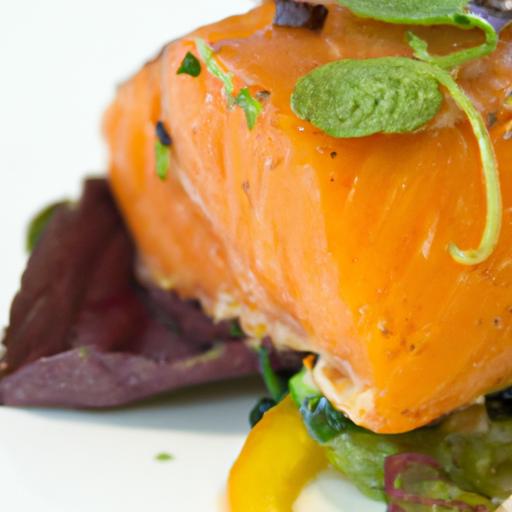


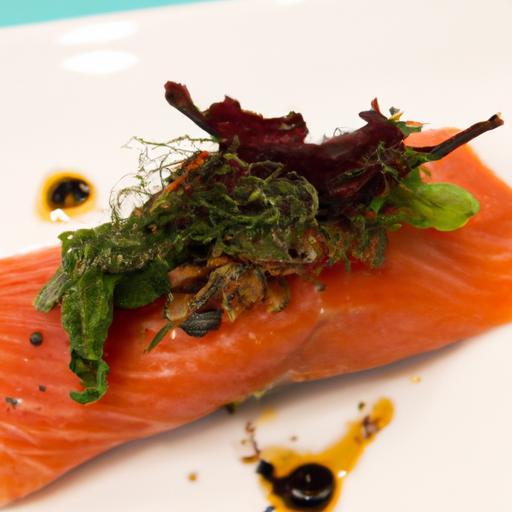
There’s something almost magical about smoked salmon-a silky, smoky whisper of the sea that dances on the palate and elevates any dish it graces. Beyond its delicate pink hue and buttery texture lies a centuries-old craft, where tradition meets technique, and flavor unfolds in layers. In this article, we’ll dive deep into the art of smoked salmon, exploring the nuanced methods that transform humble fish into a culinary masterpiece. Whether you’re a curious home cook or an aspiring charcutier, join us as we unravel the secrets behind the perfect smoke-uncovering the flavors, techniques, and insider tips that bring this elegant delicacy to life.
Exploring the art behind perfectly smoked salmon reveals a captivating blend of tradition, technique, and distinct flavor profiles that elevate this beloved delicacy beyond ordinary planning. From the crisp scent of seasoned woodsmoke to the buttery richness of cured flesh, mastering smoked salmon is truly a culinary journey worth savoring.
Prep and Cook Time
Preparation: 30 minutes (plus 12-24 hours curing)
Smoking: 2-4 hours depending on temperature and thickness
Total Time: Approximately 14-28 hours including curing and smoking
Yield
Serves 6-8 people as an appetizer or entrée
Difficulty Level
Medium – Requires time and patience but accessible with clear steps
Ingredients
- 2 lbs fresh salmon fillet, skin-on and pin-boned
- 1/2 cup kosher salt
- 1/2 cup brown sugar, packed
- 1 tbsp cracked black pepper
- 2 tsp smoked paprika
- 1 tbsp dried dill
- 4 cups hardwood smoking chips (preferably alder, maple, or cherry wood)
- 1 lemon, thinly sliced
- 2 tbsp olive oil
- Optional: fresh herbs (such as thyme or rosemary)
Instructions
- Prepare the cure: In a bowl, combine kosher salt, brown sugar, black pepper, smoked paprika, and dried dill. mix thoroughly to unify the seasoning blend.
- Apply the cure: Place the salmon skin-side down on a large piece of plastic wrap. Rub the cure mixture evenly over the flesh side, pressing gently to adhere. Lay the lemon slices over the cured flesh for subtle citrus brightness.
- Wrap and chill: Tightly wrap the salmon in plastic wrap and place it in a shallow baking dish. Refrigerate for 12 to 24 hours (the longer the cure, the deeper the flavor and firmer the texture).
- Rinse and dry: Remove salmon from the fridge, unwrap, and rinse off the cure thoroughly under cold water. Pat dry with paper towels. Set the salmon on a wire rack and let it air-dry in the fridge for 1-2 hours to develop the pellicle (a tacky surface that absorbs smoke).
- Prepare your smoker: Soak smoking chips in water for 30 minutes to prevent burning too quickly. Preheat your smoker to maintain a consistent temperature of 150-180°F (65-80°C). Carefully follow your device’s safety and operation instructions.
- Smoke the salmon: Place the salmon skin-side down on the smoker rack. Add soaked wood chips to the heat source. Smoke the fish for 2 to 4 hours, depending on thickness and desired smokiness, until it reaches an internal temperature of 140°F (60°C). The flesh should be opaque and flake easily with a fork.
- Rest and serve: Remove the salmon from the smoker and let it rest at room temperature for 10 minutes. Brush lightly with olive oil and garnish with fresh herbs before serving.
Tips for Success
- Wood selection: Alder provides a customary mild smoke,whereas cherry or maple imparts a slightly sweeter aroma.Avoid overpowering woods like mesquite for delicate salmon.
- Control temperature: Smoking low and slow ensures tender, moist flesh without drying it out. Use a reliable thermometer for precision.
- Pellicle formation: Don’t skip the air-drying step after curing-it’s key to achieving deep smoke flavor absorption and a glossy finish.
- Make-ahead: Smoked salmon stores beautifully. Refrigerate tightly wrapped for up to 5 days or freeze for longer storage without meaningful loss of moisture or flavor.
- Variations: Add juniper berries or crushed coriander seeds to the cure for an aromatic twist. Try a maple syrup glaze during the last 30 minutes of smoking for a caramelized finish.
serving Suggestions
Smoked salmon is a versatile star; present it thinly sliced atop crusty rye or bagels spread with cream cheese and capers for a classic pairing. For a more elegant touch, serve alongside lemon-dressed arugula, pickled red onions, and toasted pine nuts. Garnish with fresh dill sprigs and a drizzle of high-quality extra virgin olive oil to balance smoky richness with radiant herbal notes.

| Nutrient | Per 3 oz serving |
|---|---|
| calories | 180 kcal |
| Protein | 22 g |
| Carbohydrates | 1 g |
| Fat | 10 g |
To deepen your culinary expertise with smoked fish, explore our detailed guide on How to Smoke Fish at Home.For the scientific insights behind smoke flavor chemistry, visit the ScienceDirect food Chemistry Journal.
Q&A
Q&A: The Art of Smoked Salmon – Flavor, Techniques & Tips
Q1: What makes smoked salmon such a beloved delicacy around the world?
A: Smoked salmon marries the rich, buttery texture of fresh salmon with the deep, complex flavors imparted by wood smoke.This alchemy transforms a simple fish into a gourmet experience – smoky yet delicate, savory yet slightly sweet, with a melt-in-your-mouth finish that’s hard to resist. It’s versatility also makes it a staple in cuisines from nordic smørrebrød to Japanese sushi.
Q2: How does the smoking process affect the flavor of salmon?
A: Smoking infuses salmon with nuanced layers of flavor that vary with the type of wood used-alder yields a light, sweet essence; hickory offers a bold, robust profile; maple invites a subtly sweet smokiness. Cold smoking adds a gentle aroma while preserving the silky texture, whereas hot smoking cooks the fish, producing a firmer, flakier bite with a more pronounced smoky punch.
Q3: What are the key differences between cold smoking and hot smoking salmon?
A: Cold smoking gently smokes salmon at temperatures below 90°F (32°C), allowing the fish to retain its raw-like, silky texture – think lox and gravlax. Hot smoking cooks the fish at temperatures between 120°F to 180°F (49°C to 82°C), resulting in a fully cooked, flaky, and moist fillet with smoky, savory intensity. The choice depends on desired texture, flavor depth, and intended use.
Q4: Can you share some essential tips for achieving the perfect smoked salmon at home?
A: Start with the freshest, highest-quality salmon you can find – this is your blank canvas. Cure your salmon with a balance of salt and sugar to control moisture and enhance flavor. Experiment with different wood chips to find your preferred smoky character. Keep a close eye on temperature and time; patience is key to avoid overcooking or drying out the fish.let the salmon rest and absorb the smoke flavors fully before serving.
Q5: What are some creative ways to serve smoked salmon beyond the classic bagel and cream cheese?
A: the possibilities are endless! Try layering thin slices atop avocado toast garnished with dill and lemon zest for a fresh twist. Incorporate smoked salmon into a vibrant pasta tossed with capers, lemon, and fresh herbs. For a luxurious appetizer, roll smoked salmon around cucumber ribbons or cream cheese-stuffed blinis. Even breakfast gets a boost with smoked salmon scrambled eggs or a savory smoked salmon frittata.
Q6: How can one ensure they’re sourcing ethically and sustainably smoked salmon?
A: Look for certifications such as MSC (Marine stewardship Council) or ASC (Aquaculture Stewardship Council) which indicate lasting fishing or farming practices. Opt for wild-caught varieties from well-managed fisheries or responsibly farmed salmon raised with minimal environmental impact. supporting local smokehouses and artisans who prioritize quality and sustainability helps promote ethical sourcing.
Q7: Are there any pitfalls or common mistakes to avoid when smoking salmon?
A: One frequent misstep is neglecting to properly cure the salmon, which can lead to a soggy texture or uneven flavor penetration. Over-smoking or using overpowering woods can dominate the delicate fish flavor, masking its natural sweetness. Also, inconsistent temperature control can cause dryness or undercooked spots. Precision, patience, and good quality control make all the difference.
Q8: Why is smoked salmon considered both an art and a science?
A: Smoking salmon demands a harmonious blend of intuition and technique – understanding the chemical conversion of curing, the physics of smoke infusion, and the artistry of balancing flavor and texture.It’s a craft honed through experience, combining patience, creativity, and respect for the ingredients.Much like painting or music, each batch tells a unique story shaped by skillful hands and heartfelt passion.
Whether you’re an adventurous foodie or an aspiring home chef, diving into the art of smoked salmon opens up a flavorful world where tradition meets innovation – one smoky slice at a time.
Key Takeaways
Mastering the art of smoked salmon is more than just a culinary endeavor-it’s a journey through time-honored techniques, rich flavors, and patient craftsmanship. From selecting the freshest fish to experimenting with wood chips that infuse every bite with a unique character, each step tells a story of tradition meeting creativity. Whether you’re a seasoned smoker or an adventurous home cook, embracing these methods unlocks a world where texture and taste dance in perfect harmony. So fire up your smoker, trust your palate, and savor the smoky symphony you create-because with smoked salmon, every slice is a masterpiece waiting to be enjoyed.