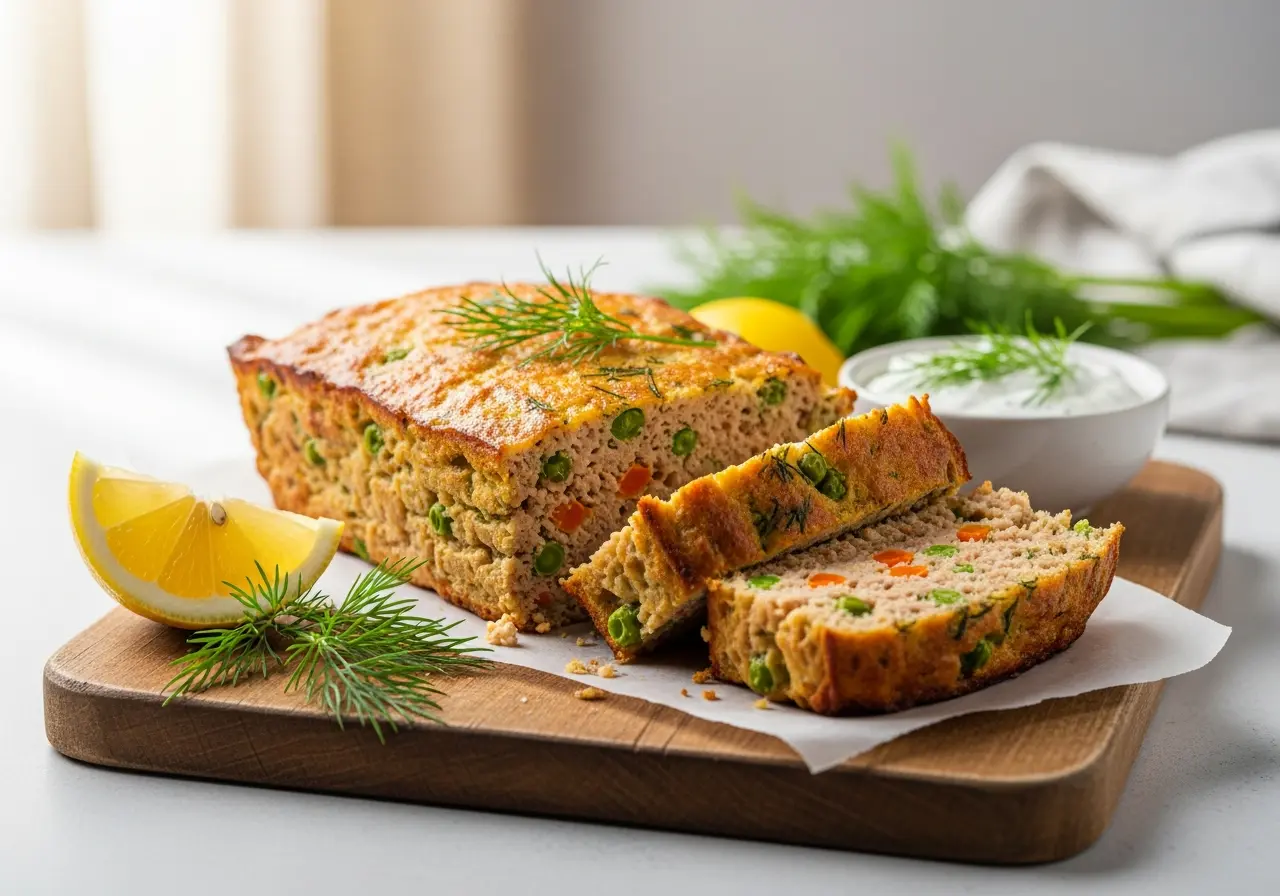


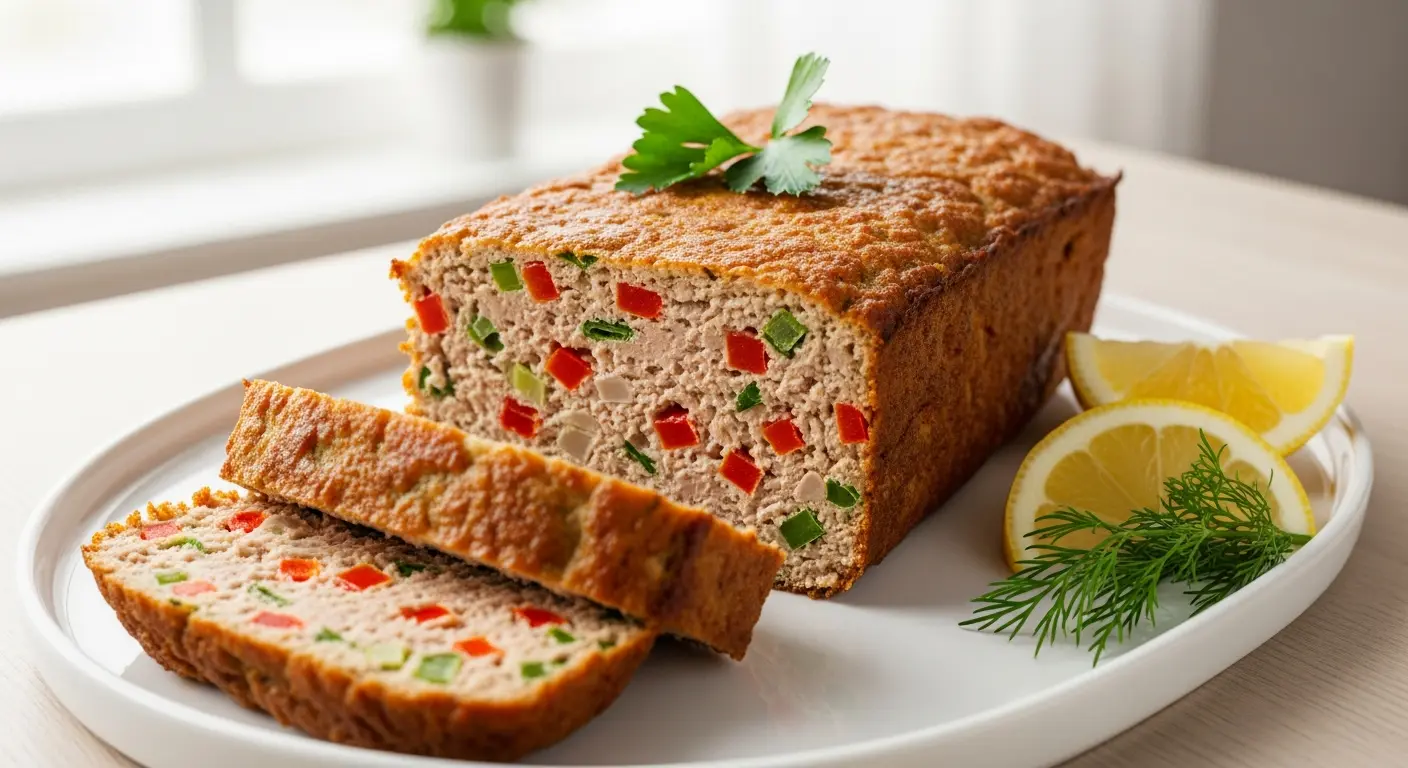
tuna loaf-a humble yet timeless dish that has graced family tables for generations-deserves a fresh spotlight. Frequently enough overshadowed by flashier seafood fare, this comforting classic blends the hearty richness of tuna with vibrant, wholesome ingredients, creating a flavor harmony that’s both nostalgic and surprising. In this article,we’ll delve into the art of unlocking tuna loaf’s potential,exploring how simple twists and fresh flavors can transform a modest staple into a culinary delight that’s as satisfying as it is versatile. Whether you’re a longtime fan or a curious newcomer, prepare to rediscover tuna loaf in a whole new light.
Unlocking Tuna Loaf offers a delightful culinary journey back to a classic comfort dish with a crisp, modern twist that celebrates fresh, vibrant flavors. This dish, beloved for its nostalgic charm and adaptability, transforms simple pantry staples into an elegant meal that’s both satisfying and refreshing. As a longtime food stylist and recipe developer, I’ve found that the magic behind tuna loaf lies in its delicate balance of texture and flavor-making it a timeless favorite for home cooks eager to uplift everyday meals.
Prep and Cook Time
- Preparation: 20 minutes
- cooking: 45 minutes
- Total Time: 1 hour 5 minutes
Yield
Serves 6-8 slices (approximately 4-6 servings)
Difficulty Level
Easy to Medium – Perfect for those looking to explore hands-on comfort cooking without fuss.
Ingredients
- 2 cans (5 oz each) albacore tuna in water, drained and flaked
- 1 cup finely crushed whole wheat crackers
- 1/2 cup crispy diced celery
- 1/3 cup finely chopped red onion
- 1/4 cup freshly chopped parsley
- 2 large eggs, beaten
- 1/2 cup plain Greek yogurt (for moisture and tang)
- 2 tbsp Dijon mustard
- 1 tbsp freshly squeezed lemon juice
- 1/2 tsp smoked paprika
- 1/2 tsp sea salt
- 1/4 tsp cracked black pepper
- Optional topping: 2 tbsp light mayonnaise mixed with a dash of smoked paprika
Instructions
- Preheat your oven to 350°F (175°C). Lightly grease a standard 8×4-inch loaf pan or line it with parchment paper for easy removal.
- In a large mixing bowl, combine the drained tuna with crushed crackers, diced celery, red onion, and parsley.Fold gently to combine, keeping the mixture airy.
- In a separate bowl, whisk together the eggs, Greek yogurt, dijon mustard, lemon juice, smoked paprika, salt, and black pepper until smooth and well integrated.
- Pour the wet mixture over the tuna mixture and gently fold until everything is evenly coated. Avoid overmixing to preserve a tender texture.
- Transfer the tuna mixture into the prepared loaf pan,pressing lightly to level the surface.If using, spread the mayo topping evenly over the loaf to add a golden finish.
- Bake in the preheated oven for 40-45 minutes, or until the top is golden and a toothpick inserted comes out clean.
- Remove from oven and allow the tuna loaf to cool in the pan for 10 minutes before slicing. This resting stage firms the loaf for neat, easy cuts.
Tips for success
- For a lighter loaf, substitute Greek yogurt with low-fat sour cream or a dairy-free choice.
- Ensure thorough draining of tuna to avoid excess moisture, which can make the loaf soggy.
- Try adding chopped roasted red peppers or capers for unexpected bursts of flavor.
- Make-ahead: Prepare the mixture up to two days ahead and store covered in the fridge, baking fresh when ready.
Serving Suggestions to Elevate Your Tuna loaf Experiance
Slices of this tuna loaf shine served warm or chilled. For a fresh, summery pairing, accompany with a light arugula salad tossed in lemon vinaigrette. A dollop of homemade tartar sauce or a smear of avocado crema adds creaminess and zest. Garnish plates with thinly sliced radishes, bright pineapple chutney, or sprigs of dill to complement the loaf’s savory profile. For a heartier approach, serve alongside roasted baby potatoes or herbed quinoa for a colorful, balanced plate.

Nutritional information (per slice)
| Calories | protein | Carbs | Fat |
|---|---|---|---|
| 210 kcal | 24g | 10g | 7g |
For more flavorful seafood ideas that pair wonderfully with this dish, explore our Seafood Salads collection. Expand your culinary knowledge on lasting tuna sourcing at Marine Stewardship Council.
Q&A
Q&A: Unlocking Tuna Loaf – A Classic Dish with Fresh Flavors
Q1: What exactly is tuna loaf, and why is it considered a classic dish?
A: Tuna loaf is a baked savory dish made primarily from canned tuna combined with breadcrumbs, eggs, and a medley of fresh vegetables and seasonings. Its origins stretch back to mid-20th-century home cooking, where it was cherished for being affordable, easy-to-make, and versatile. The loaf’s comforting texture and mild flavors have cemented its place in many family kitchens as a nostalgic classic.
Q2: How can fresh flavors be incorporated into a traditional tuna loaf?
A: Freshness is the secret to elevating tuna loaf beyond the ordinary. Incorporating crisp diced celery, sharp green onions, fresh lemon zest, and chopped herbs like parsley or dill adds aromatic brightness. A splash of lemon juice or a hint of Dijon mustard can also brighten the flavor, balancing the richness of the tuna and giving the loaf a refreshing twist.
Q3: What’s the best type of tuna to use for making tuna loaf?
A: Look for high-quality canned tuna packed in water or olive oil, depending on your preference. Tuna packed in olive oil offers a richer mouthfeel, while water-packed tuna yields a lighter result. Either way, chunk light or solid white (albacore) tuna will work well. Drain the tuna thoroughly to avoid excess moisture, which can affect the loaf’s texture.
Q4: Are there creative mix-ins that can add texture and nutrition?
A: Absolutely! Adding finely chopped bell peppers or shredded carrots injects a gentle crunch, while sautéed mushrooms contribute earthiness.For a boost of nutrition, consider stirring in cooked quinoa or finely chopped spinach. These ingredients enhance both flavor and nutrient content without overpowering the delicate tuna base.
Q5: What binding agents are essential for holding the loaf together?
A: Eggs are the primary binders in tuna loaf, giving structure and moisture. Breadcrumbs or crushed crackers absorb excess moisture and keep the loaf from becoming soggy. for a gluten-free option, crushed nuts or gluten-free breadcrumbs can be swapped in. The right balance ensures a tender but firm loaf that slices beautifully.
Q6: How should tuna loaf be baked for optimal flavor and texture?
A: Baking at a moderate temperature-around 350°F (175°C)-for 45 to 55 minutes allows the loaf to cook evenly without drying out.Covering the loaf with foil for the frist half of baking keeps moisture in, then removing it towards the end helps develop a golden crust. Letting the loaf rest briefly after baking makes slicing cleaner and heightens flavor melding.
Q7: What are some ideas for serving tuna loaf?
A: Tuna loaf shines when served warm or at room temperature. Slice it thick for a hearty dinner alongside steamed vegetables or a fresh green salad. Thin slices also make excellent sandwich fillings paired with crisp lettuce and creamy spreads like avocado or herbed yogurt. For a light appetizer,serve bite-sized cubes with toothpicks and a dash of lemon aioli.
Q8: Can tuna loaf be prepared ahead of time?
A: Yes! Tuna loaf is an excellent make-ahead meal. Bake it a day in advance,refrigerate,and then gently reheat before serving. The flavors often deepen overnight, making it even more savory and satisfying. It also freezes well-wrap tightly and thaw overnight in the fridge before reheating.
Q9: What tips help avoid common pitfalls when making tuna loaf?
A: Avoid excess moisture by draining tuna thoroughly and not overloading the mixture with watery vegetables. Use fresh herbs and lemon zest to keep the flavors lively. Don’t skip the resting period after baking; it helps maintain the loaf’s shape. Lastly, taste the mixture before baking to adjust seasoning-tuna can benefit from a little extra salt and pepper!
Unlocking the charm of tuna loaf means embracing its simple ingredients while using fresh flavors to breathe new life into a timeless dish. Whether as a quick weeknight meal or a delightful gathering fare, tuna loaf continues to prove that comfort food can be both classic and refreshing.
Concluding Remarks
As we peel back the layers of tuna loaf, it becomes clear that this classic dish is far more than a nostalgic nod to the past. With its harmonious blend of fresh ingredients and comforting familiarity, tuna loaf invites both tradition and innovation to the dining table. Whether you’re savoring a slice straight from the oven or reinventing it with modern twists, unlocking the potential of tuna loaf reveals a culinary treasure that balances simplicity and flavor in every bite. So next time you seek a dish that’s comforting yet refreshingly vibrant, remember: tuna loaf is ready to surprise and satisfy, proving that classics never go out of style.